Eastern Cape, 2024
Early February of 2024, a trekking buddy, Mike Stevens, and I explored the Eastern Cape of South Africa for 3 days. We primarily started in Durban, and drove south along the Coast to East London. Our first destination was the Oribi Gorge & Port Shepstone.
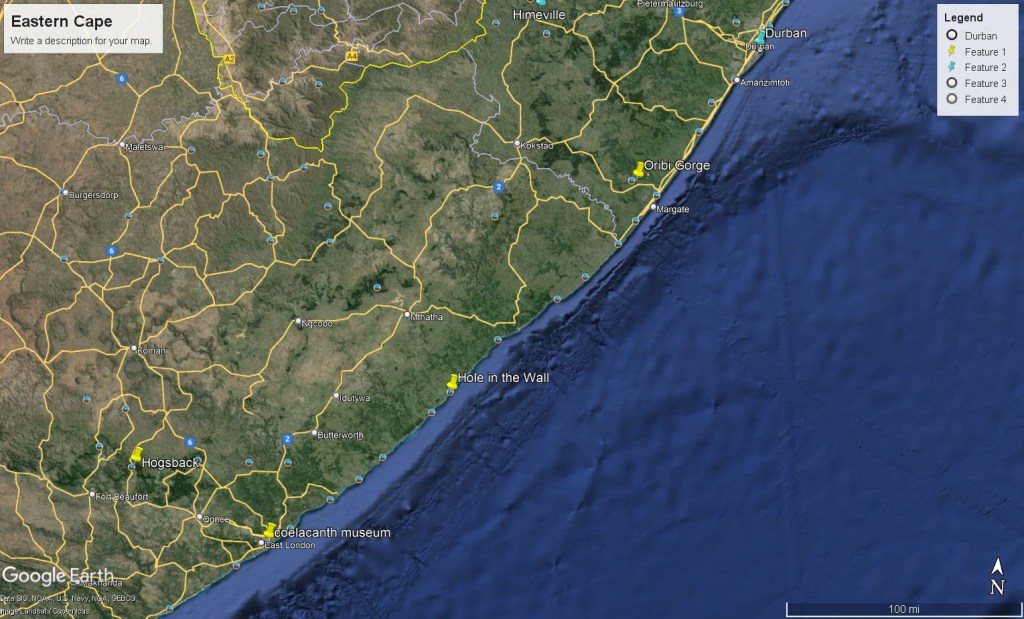
One of South Africa’s lesser know natural wonders, Oribi Gorge cuts deep into the sandstone of southern KawZulu-Natal, about 35 km inland, (northwest) from Port Shepstone, (where we stayed over-night).
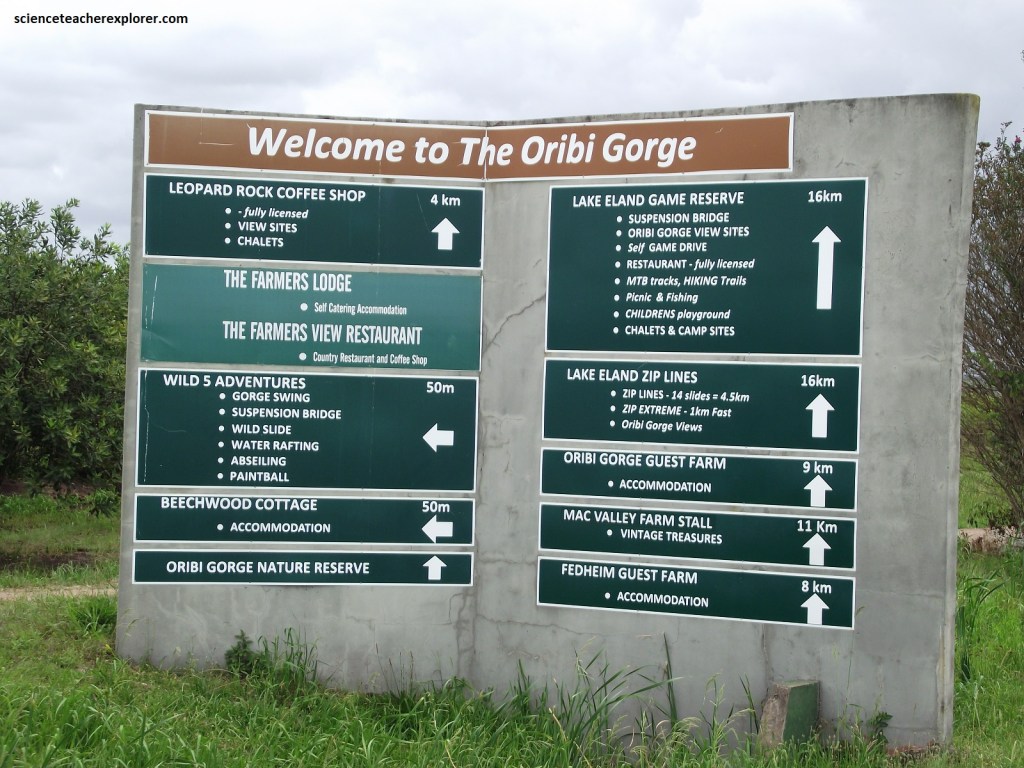
The fires record of the gorge is from a hand-drawn map dated 1867, published in John Sheddon Dobie’s “South African Journal”, and it was only in the 1890s that the area was thoroughly explored & settled.
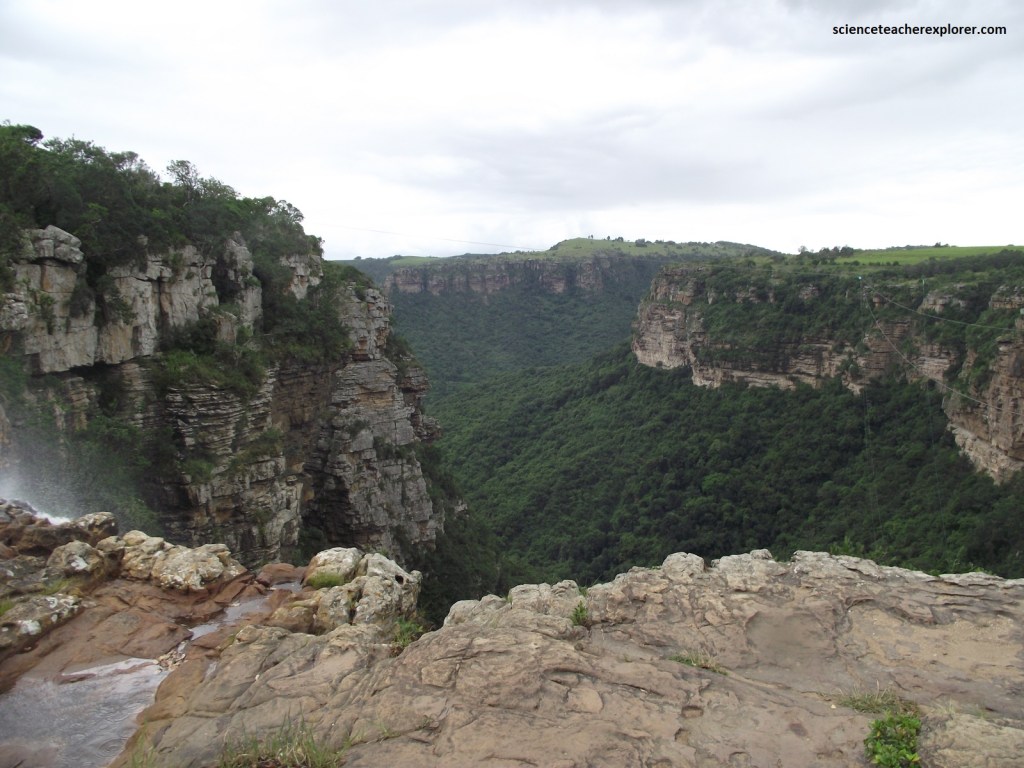
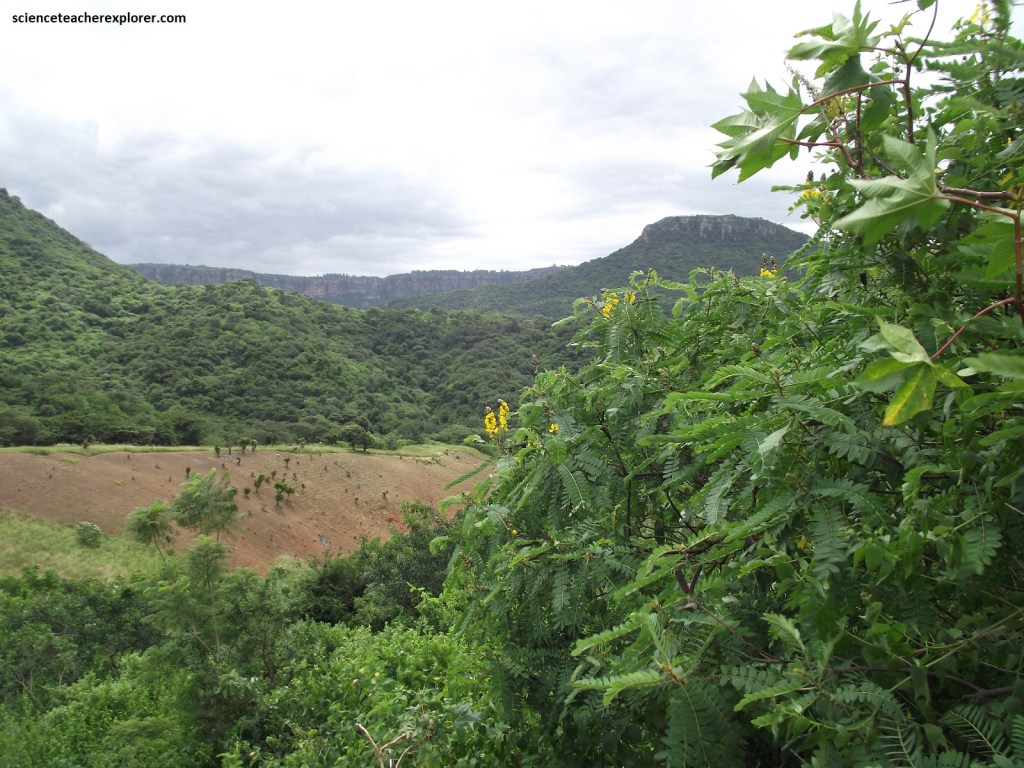
The Oribi gorge is approximately 400 m deep, and almost 5 km wide at its widest, (pictured above).
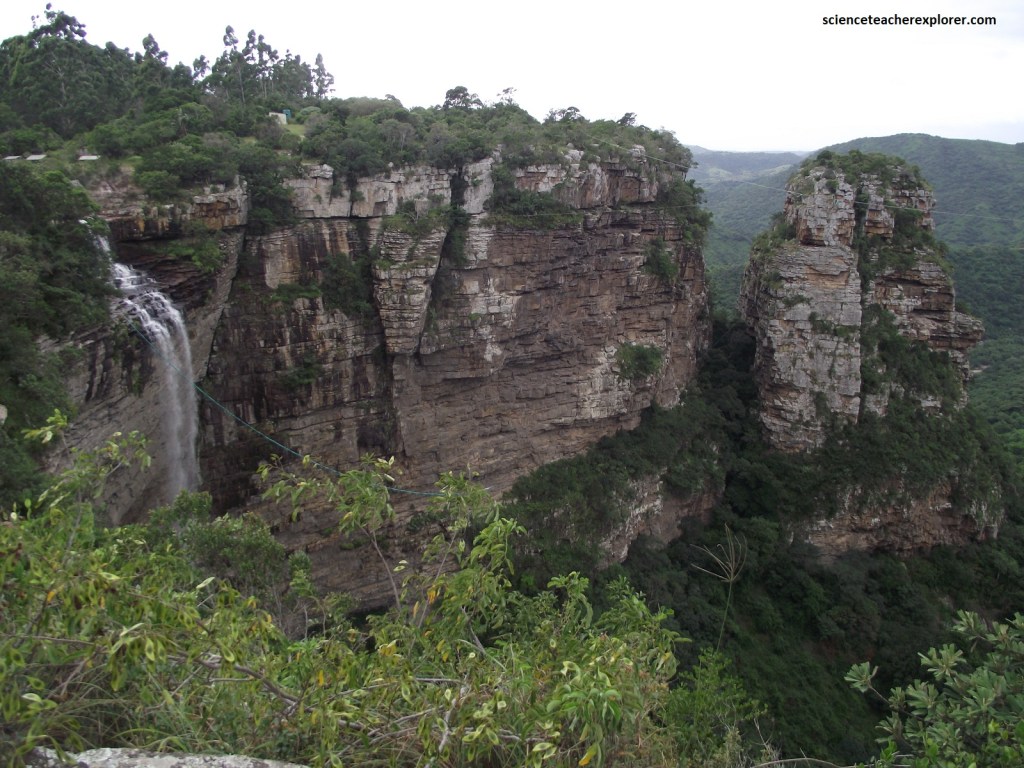
The ravine is largely filled with dens evergreen forest, but there are a variety of natural habitats. Due to this diversity and the relative inaccessibility of the gorge, it contains approximately 500 species of trees and a wealth of wildlife including the shy leopard and python, as well as the rare samango monkey.
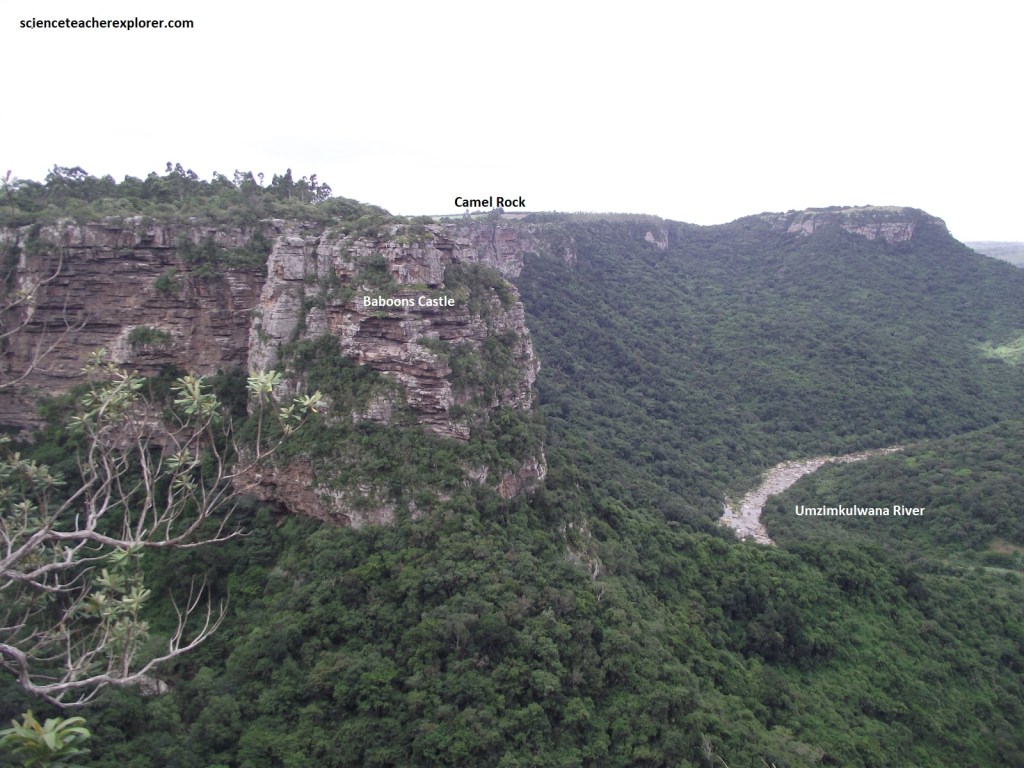
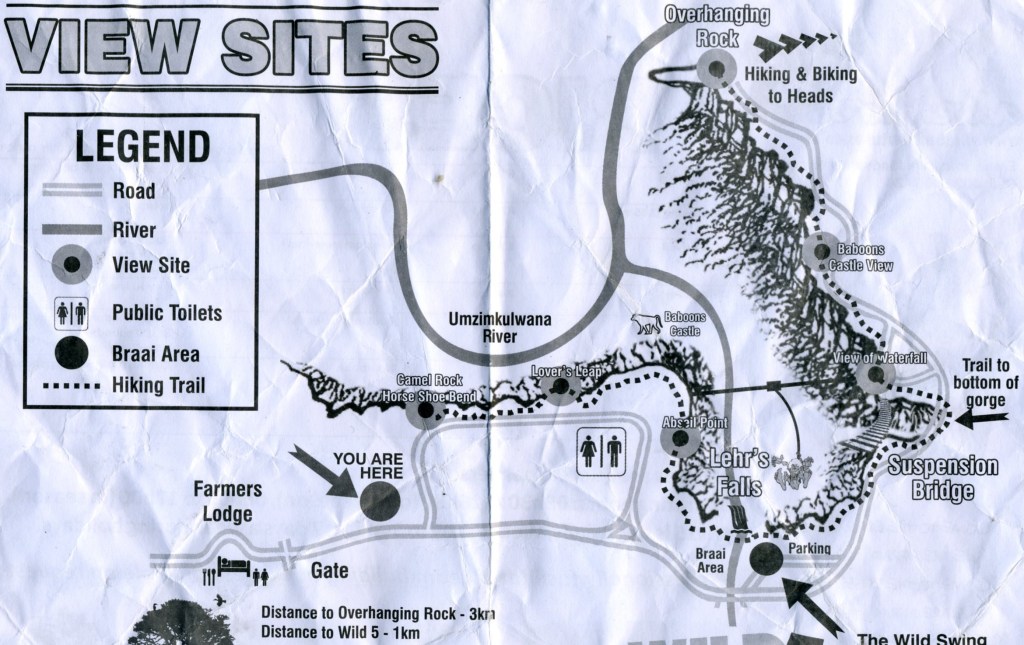
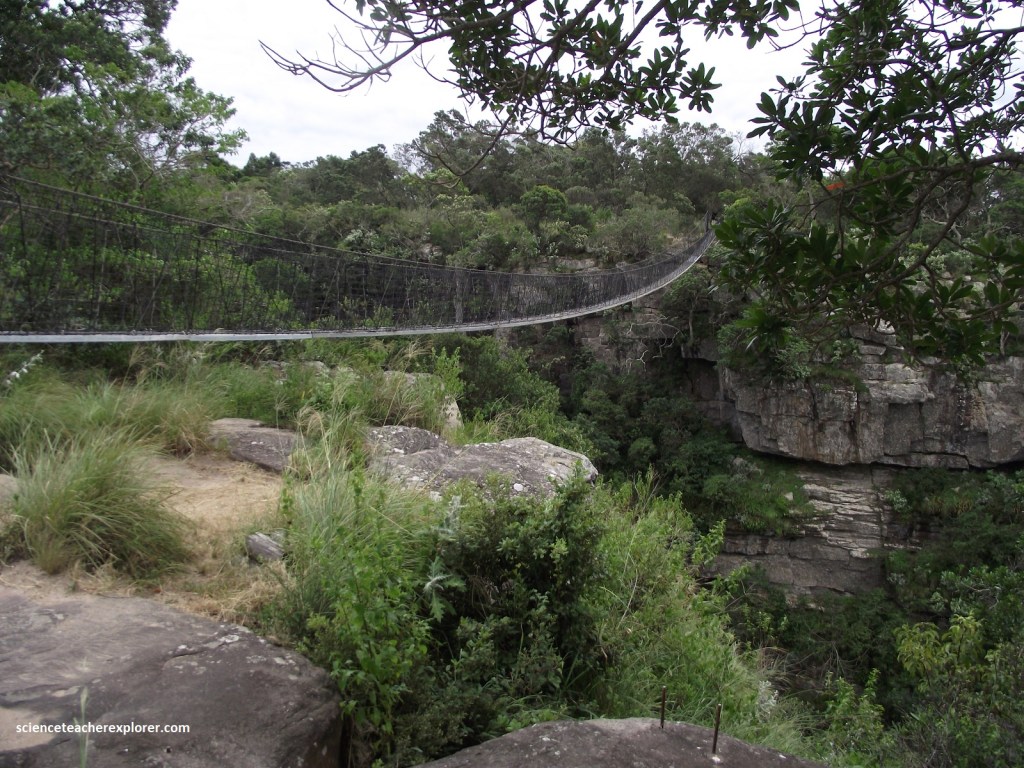
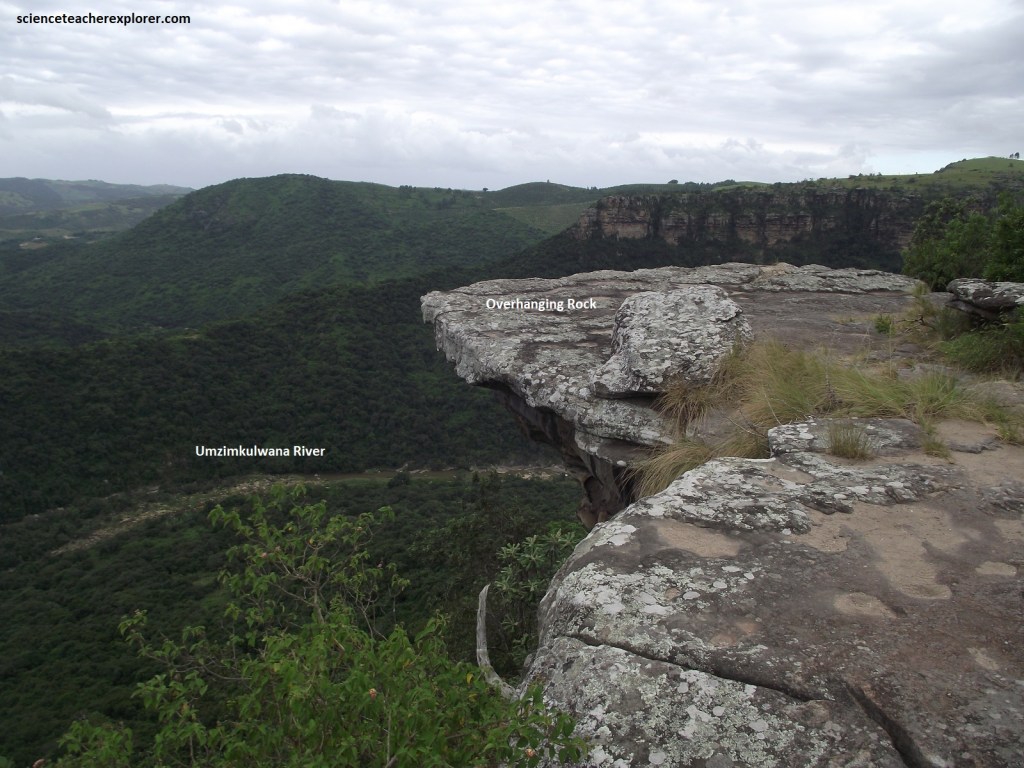
Pictured above, the Oribi Gorge has the Umzimkulwana River winding its way for nearly 25 km past the dramatic cliffs. There are many beautiful views from spots at the top of these cliffs along the rim, (pictured below).
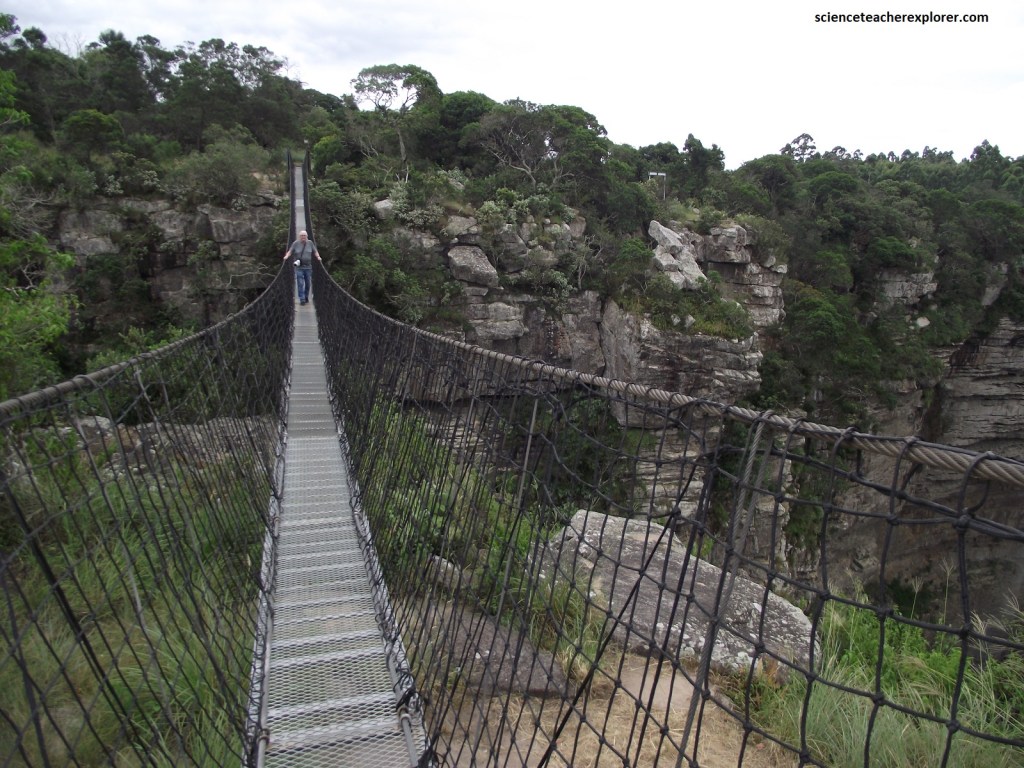
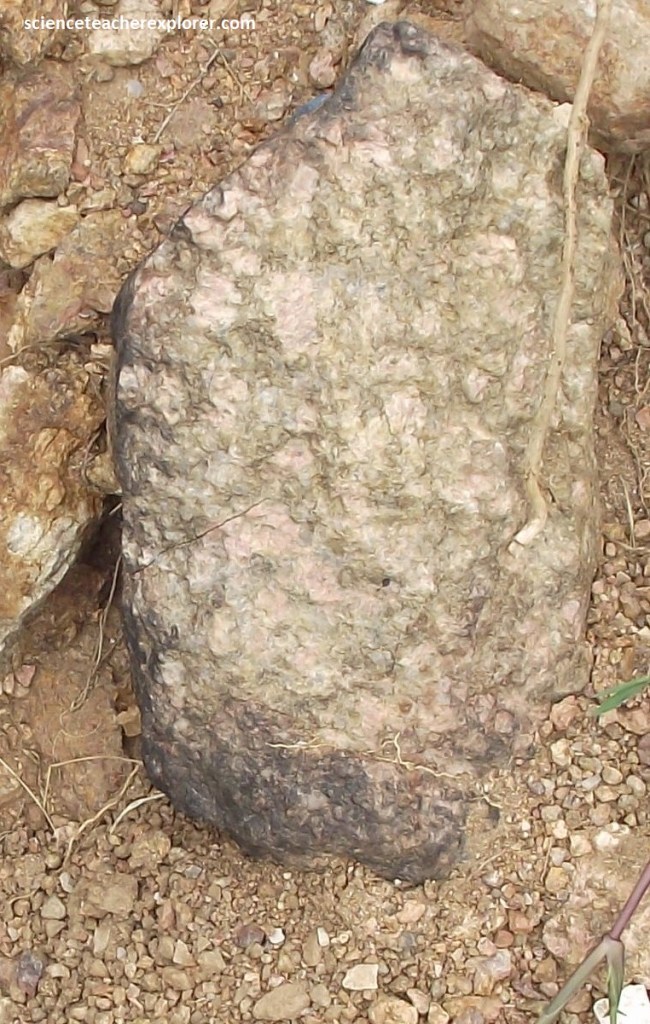
The Umzimkulwana River runs along a fairly level bed; having been eroded to to a granite base that has been dated at over 1 billion years old, (Oribi Gorge Pluton). When the earlier coastal plain was raised, down-cutting by meandering rivers took place, creating the gorges. The Oribi Gorge Pluton granite consists of very large pinkish feldspar crystals set in a finer mass of glassy quartz and dark greenish minerals, (pictured below).
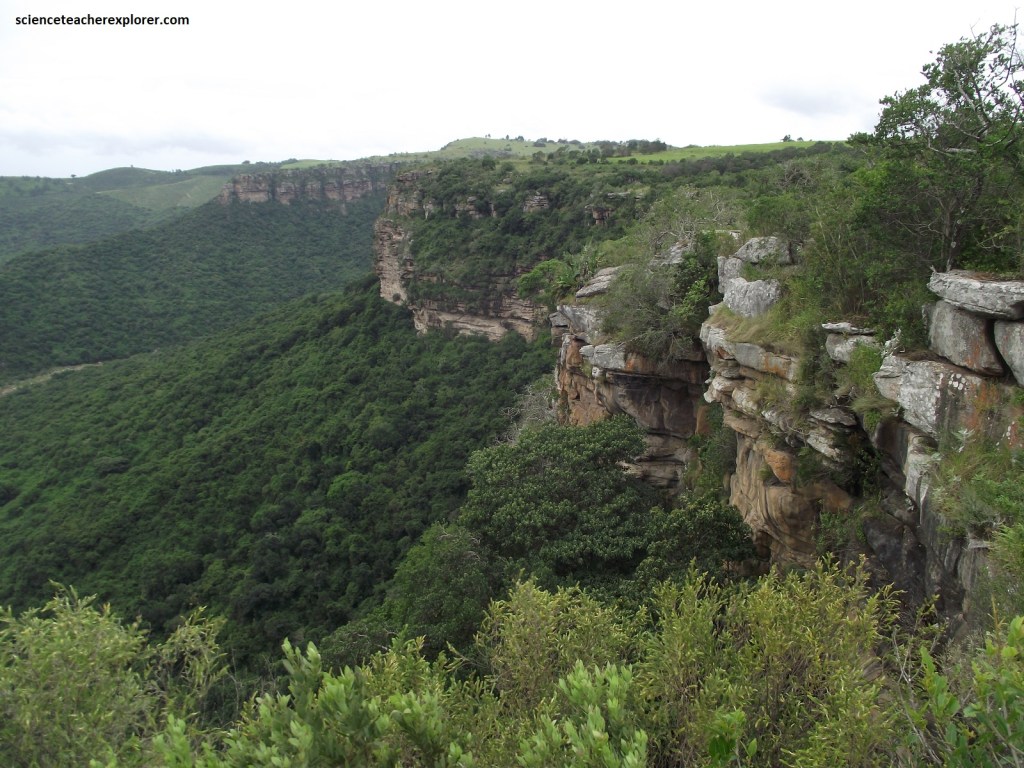
Pictured above, the upper sedimentary part is make of the approximately 365 million year old Msikaba Formation. This sandstone is brownish grey when fresh but pale brownish to whitish when weathered. It is cross-bedded (small-scale bedding inclined to the general layering) and gritty in place, and was deposited as clean quartz sand under very stable, shallow marine conditions.
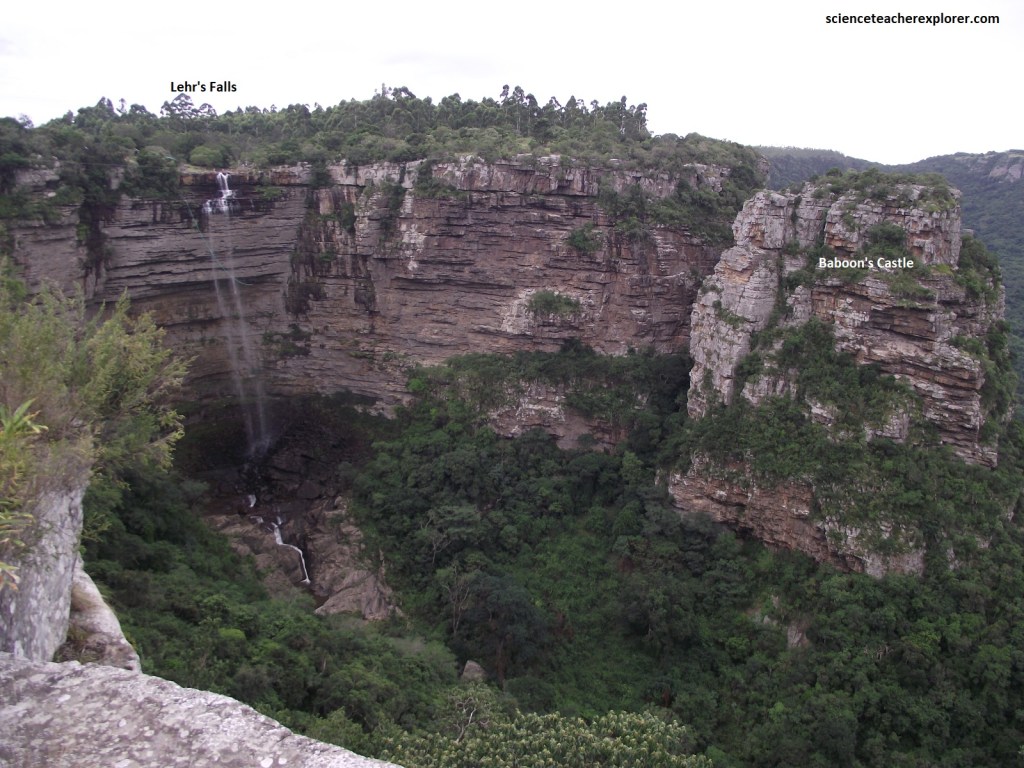
This area reveals that there are many fault structures that partly dissect the Oribi Flats and have influenced its development. The most prominent fault is where the east-flowing Umzimkulwana River deviates north for nearly 3 km before resuming its eastward course. This is due to a north-south trending fault that provided a line of structural weakness exploited by the river, and also coincides with the pass through the gorge.
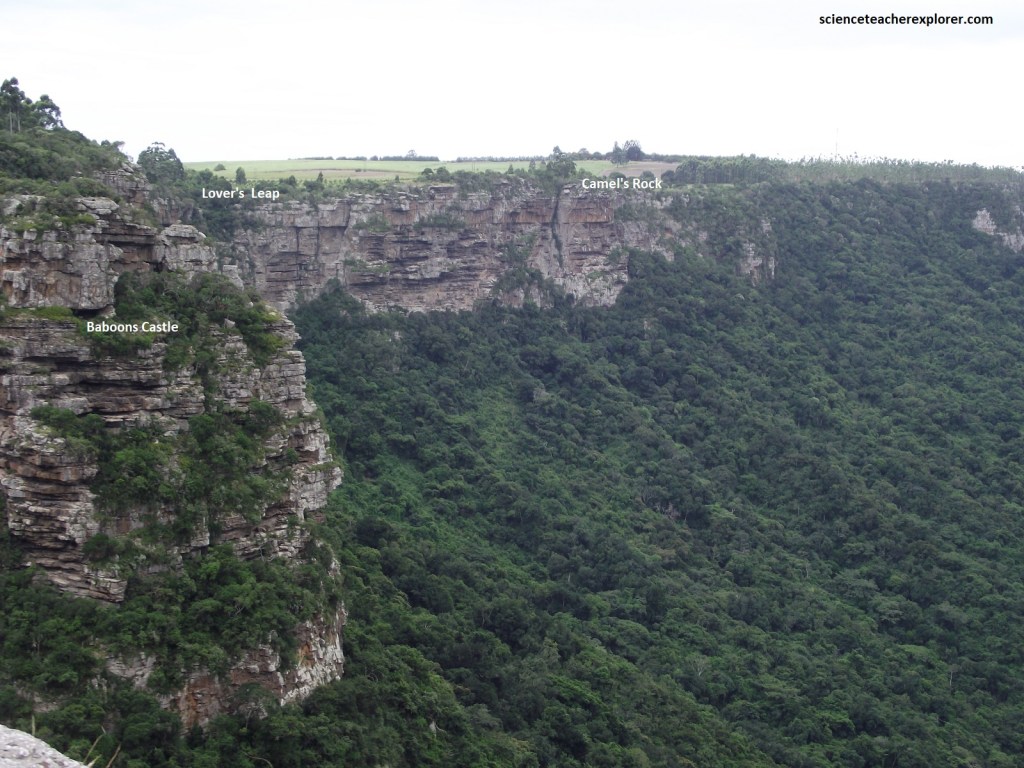
Pictured above, Baboons Castle is an isolated pinnacle of Msikaba Formation sandstone formed by strong erosion, present near the Oribi Gorge Hotel and Lehr Falls.
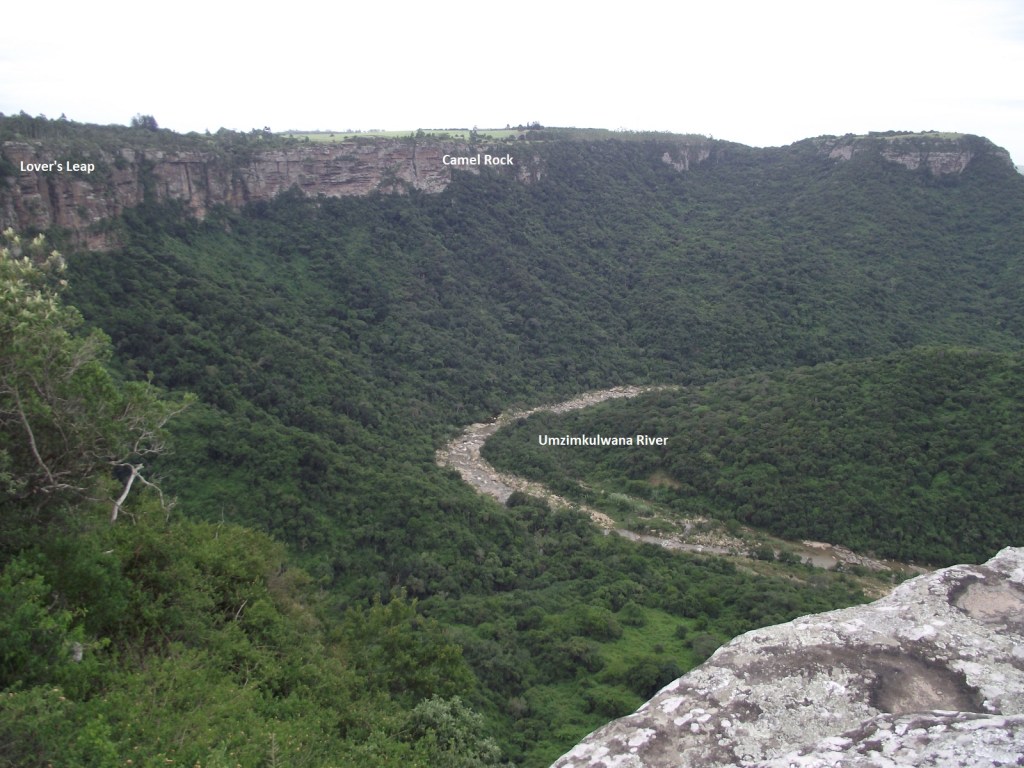
Pictured above, the Umzimkulwana River Valley, provides a superb example of an incised, meandering coastal river valley. Down-cutting was hindered by the layer of hard, horizontal sandstone that is up to 200 m thick, but ultimately uplift and strong erosion breached the resistant barrier and cut down through less easily weathered granitic rock, (the result is the spectacular cliffs and deeply incised river valley we see today). The lower slopes are covered by a thick accumulation of blocky sandstone debris. Note that the river is only 100 m above sea level.
Downstream from the gorges, is a large surface mine producing cement from a limestone deposit. The road through Oribi Gorge was built by Italian prisoners of war.
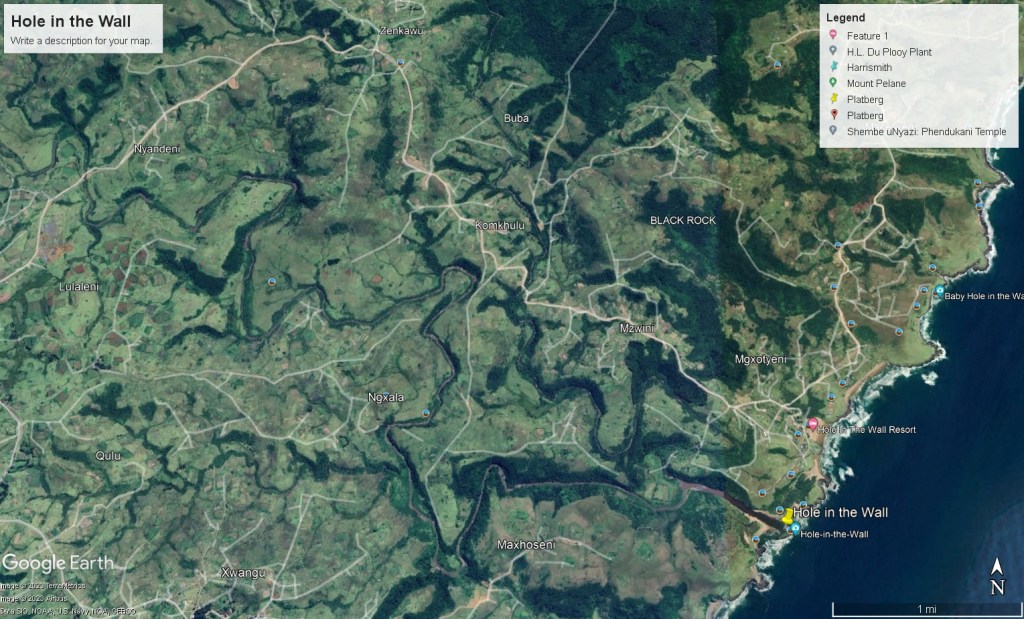
One of South Africa’s most fascinating natural formations is to be found on the Eastern Cape’s “Wild Coast”, about 30 km southeast of Umtata. Here a massive dolerite island with sheer walls rises out of the surf, forming a rampart at the mouth of the Mpako River, (pictured below).
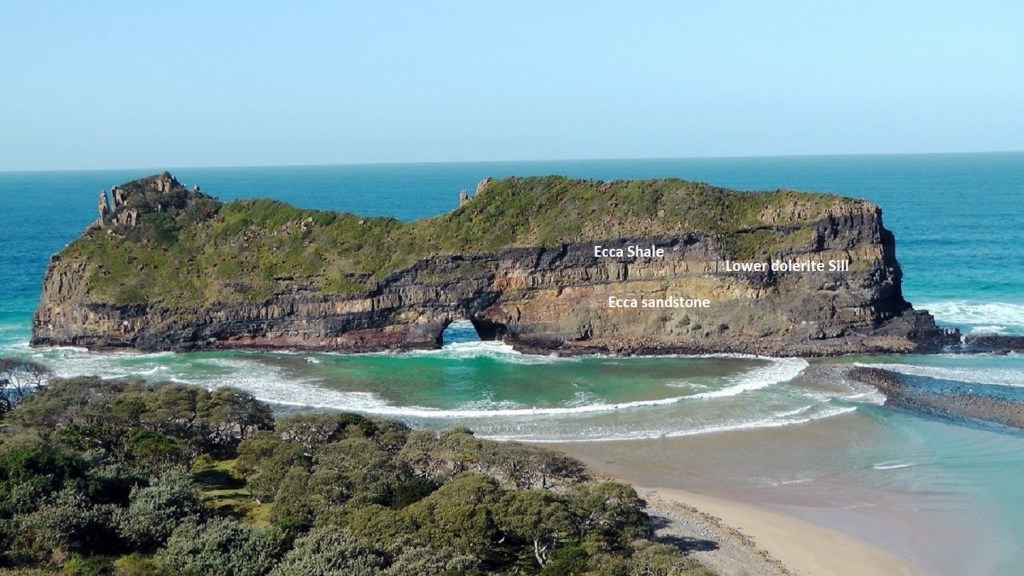
Over the centuries, the combined action of the river and the surf has mad a huge hole through the island, earning the formation the name “Hole-in-the-Wall”. The rugged beauty of the coast in this region, with its grassy hills, steep cliffs falling into milkwood forest, and unspoiled beaches, forms the perfect backdrop to this awesome scene. While trekking there, we witnessed it from the massive graveled road-detours, from the highways in the area. Eventually, we made it to East London to stay the night.
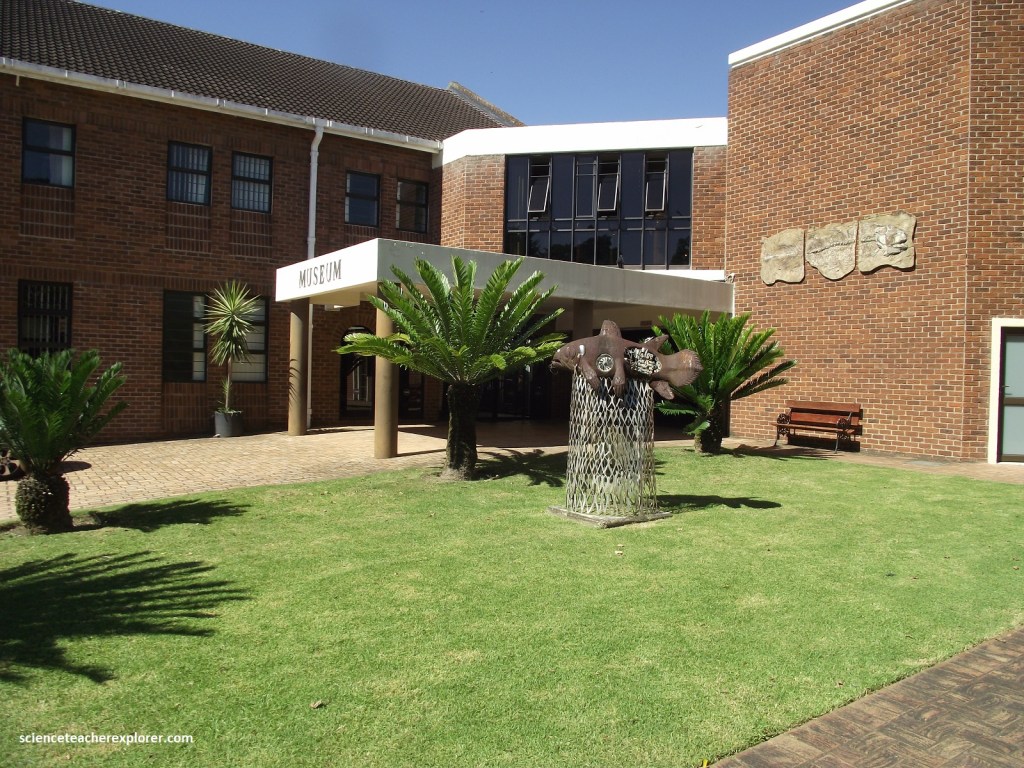
While in East London, we visited the East London’s Museum. The Museum was officially opened on 26 September 1931. By 1945 it needed to expand, so a new site was obtained and the present building was opened in 1950. It now contains the natural-history collections of mammals, malacology, reptile, ornithology, fossils and botany. Humanities collections are largely concerned with the history of the people of the Eastern Cape from earliest times to present. These collections include material the culture of the Southern Nguni peoples, in particular, one of the most representative collections of Eastern Cape beadwork; San Bushmen, German Settlers, British Settlers, and maritime history which includes the exploration voyages, shipwrecks, salvaging and East London Harbor.
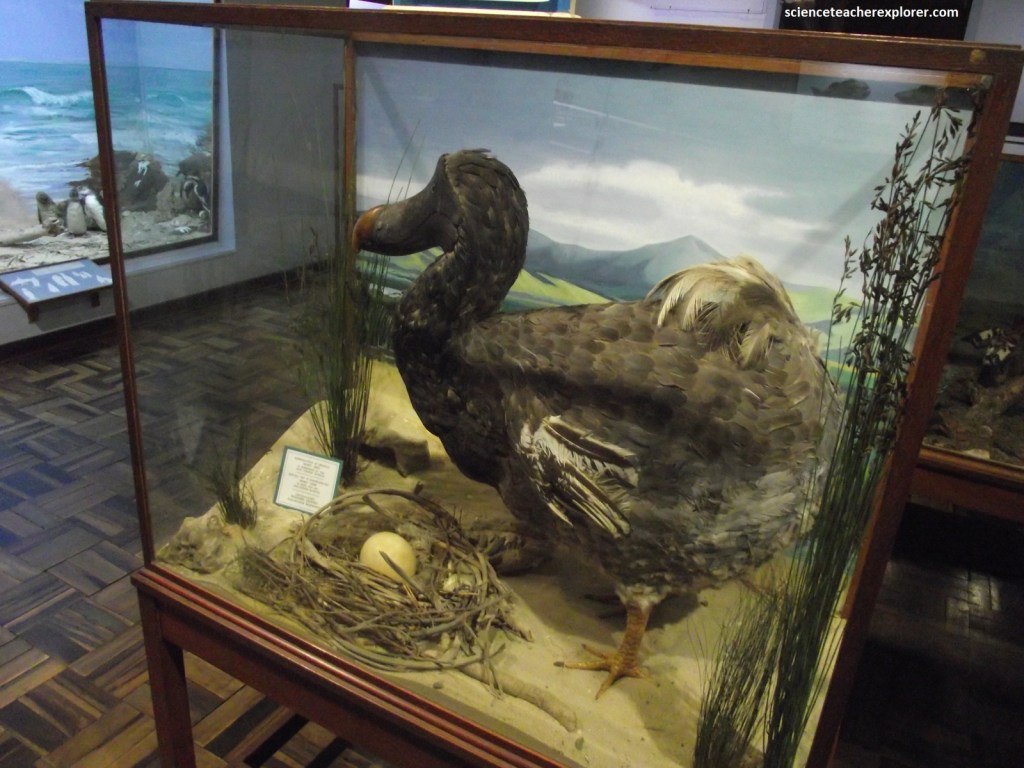
One of the displays that I thought was interesting was the mounted Dodo & egg. The Grey or Common Dodo Raphus cuccullatus was an extinct bird that lived on Mauritius, (I visited this island in 2023), and was first discovered by Jacob Cornelius, van Neck in 1601. By 1693, the dodo had become extinct. The egg, (which was possibly the only one in existence & pictured above), was brought from Mauritius by Captain van Syker on the 15th of January, 1847 and presented to Miss Lavinia Bean, (great aunt of the first director of the East London Museum).
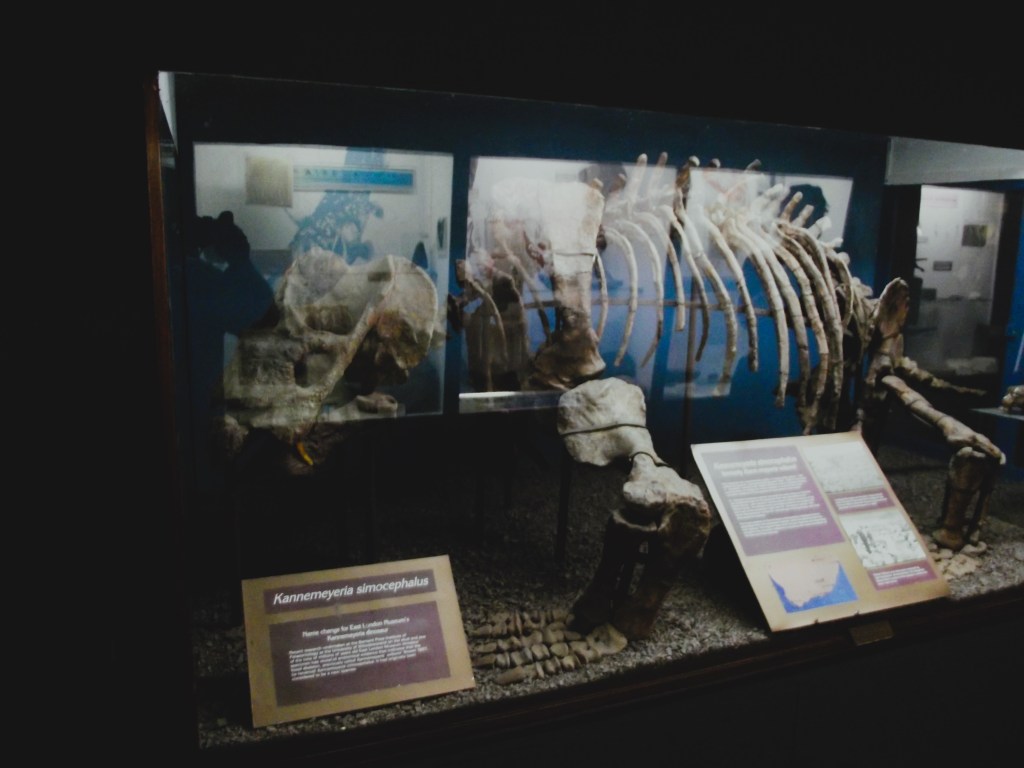
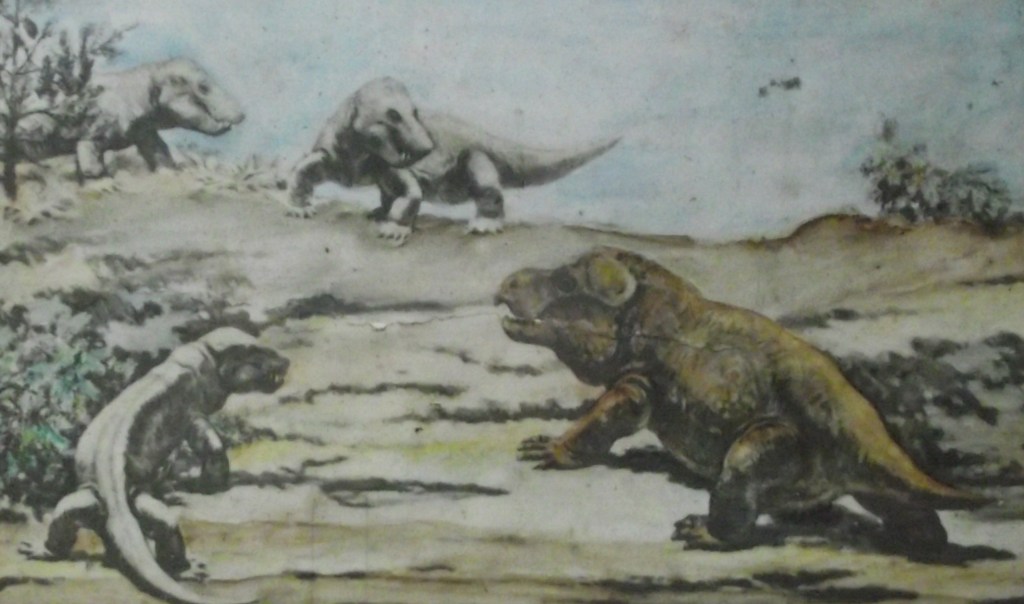
This specimen of a mammal-like reptile, a Triassic (245-190 million) dicynodont, was excavated between in 1936 Northwest of East London. It is one of the most complete skeleton of this species of dicynodont in the world.
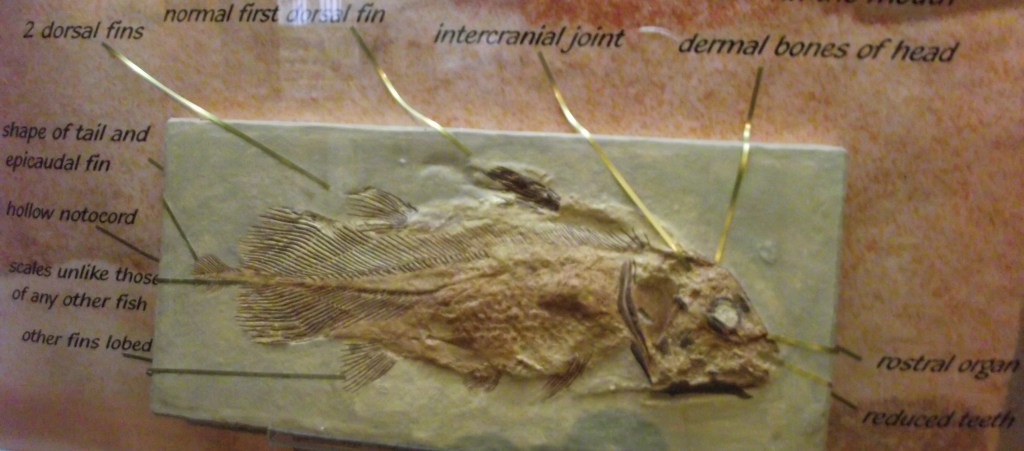
Pictured above, Coelacanths were well known as fossils. In 1839 Agassiz described the first fossil Ceolacanth and named it “Coelacanthus” because the spines from the vertebral column connecting to the tail fin rays were hollow, (in greek, “koilos” = hollow and “akantha” = spine). In South Africa, Coelacanth fossils had been found in the Free Sate, Kwazulu-Natal and near Grahamstown. Approximately 360 million years old, where Grahamstown was on the shore, with an estuarine lake. In the sediments of this ancient estuary Dr. Eric Anderson and others found fossils of Coelacanths and other ancient fishes.
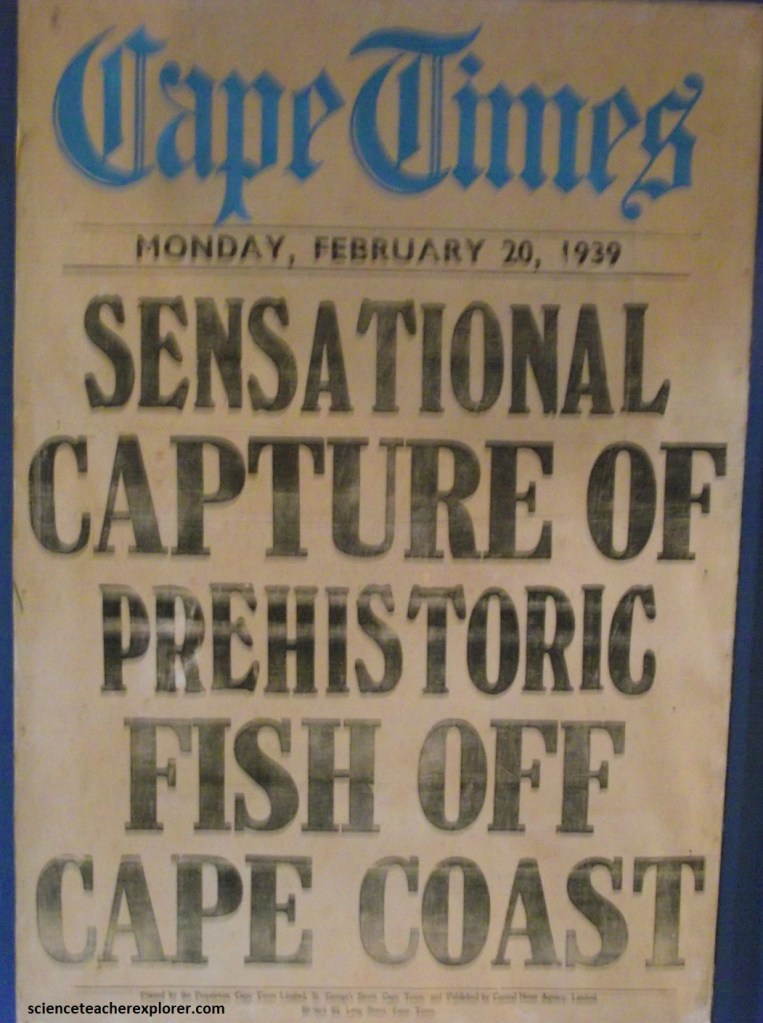
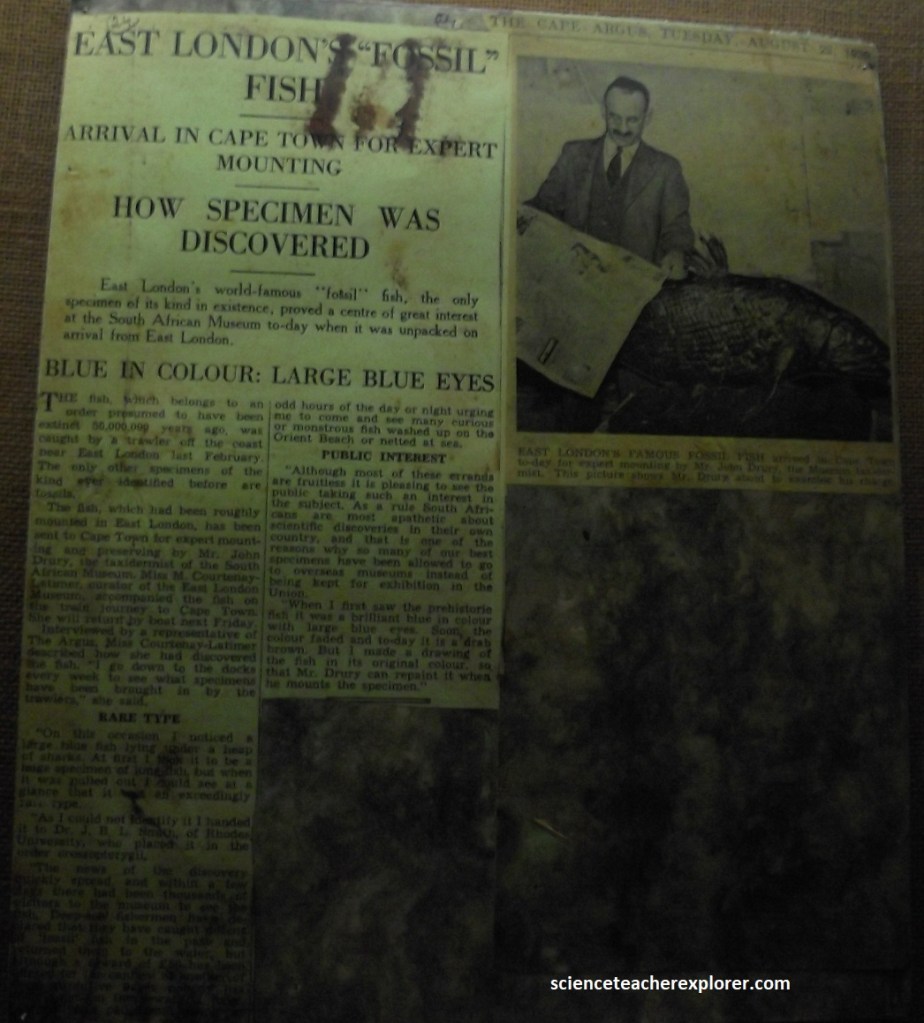
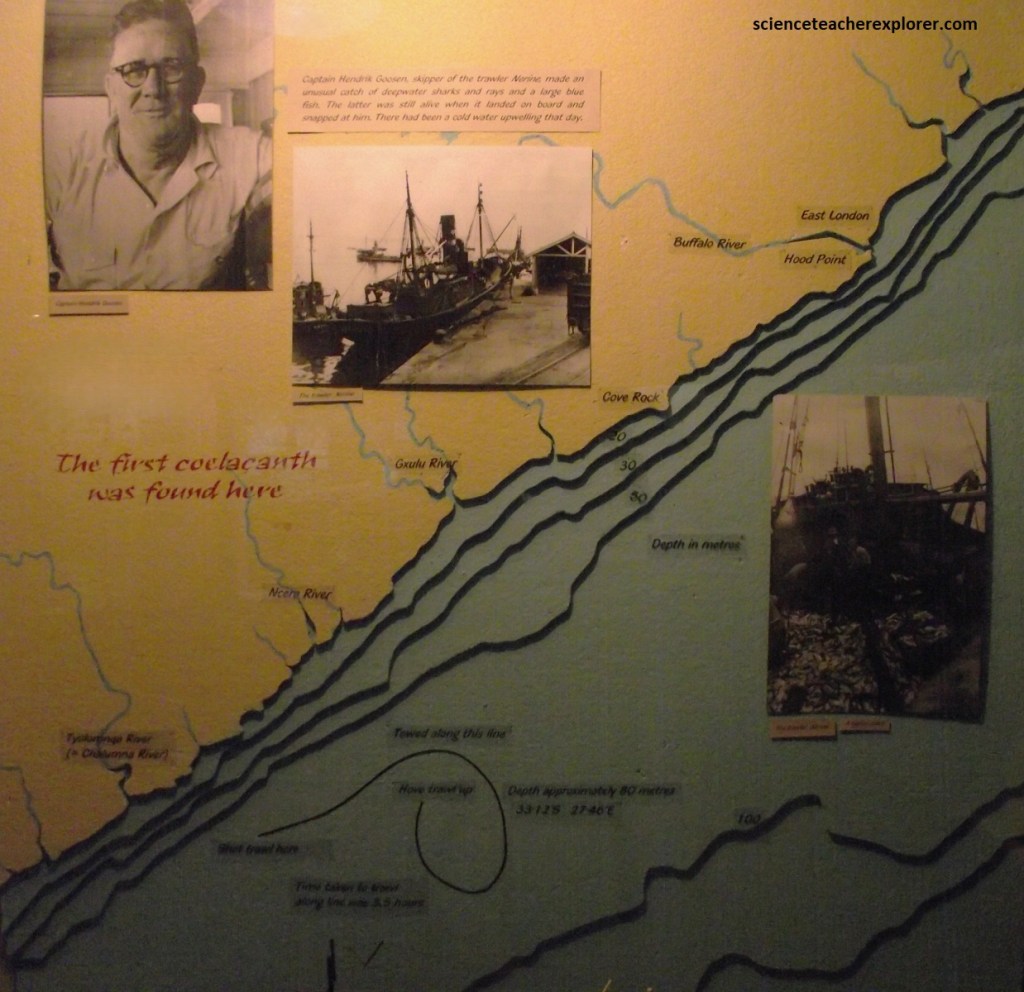
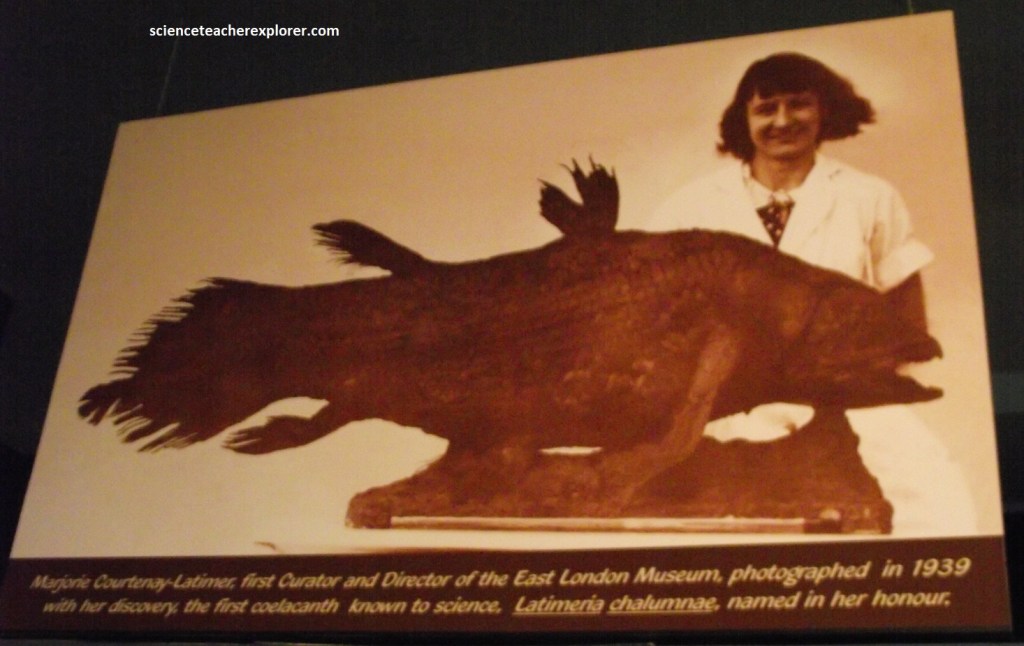
The Coelacanth was taken by trawl-net at a depth of about 40 fathoms some miles south-west of East London on December 22, 1938. It was alive when caught, and shortly after it died, it was handed over to Miss Courtenay Latimer curator of the East London Museum.
Owing to lack o preserving equipment at the East London Institution, after several weeks, the putrefied body had been disposed of beyond any hope of redemption, and the fish had been mounted by the local taxidermist.
After careful inspection of the mounted specimen, a responsible citizen-angler of East London stated that about 5 years before he had found precisely such a fish, only considerably larger, partially decomposed, cast up by the waves on a lonely part of the shore east of East of East London. When he returned with assistance, the monster had vanished with a risen tide.
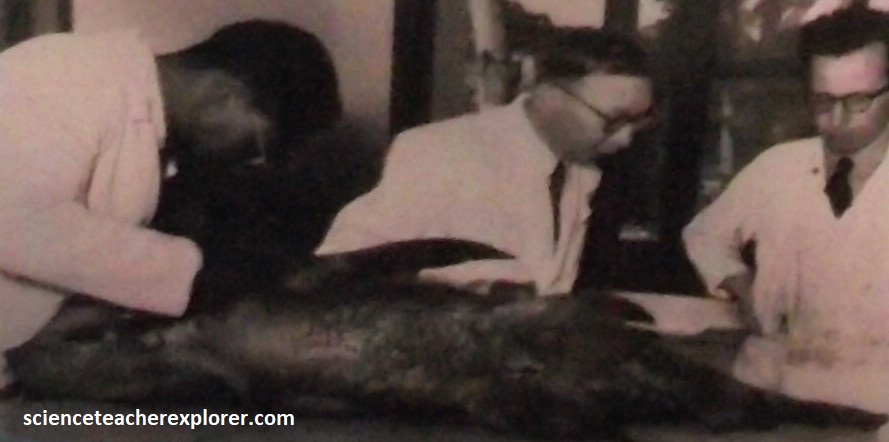
With regard to the 1938 specimen, fortunately both Miss Latimer and the taxidermist were drawn to observe details of the carcass very closely. The 1938 specimen was 1.5 m in total length, and weighed 127 lbs. (57.7 kg) when caught. The color was a bright metallic blue, which had faded to brown with preservation. The gephyrocercal tail with protruding axial supplement, the normal first dorsal, the obtuse lobation of the remaining fins, the ganoin tubercle ornamentation on the scales and on some of the dermal bones of the head, the nature and arrangement of the dentigerous bones of the mouth, and the forn of the dermal armor of the head, were all typical for the coelacant species.
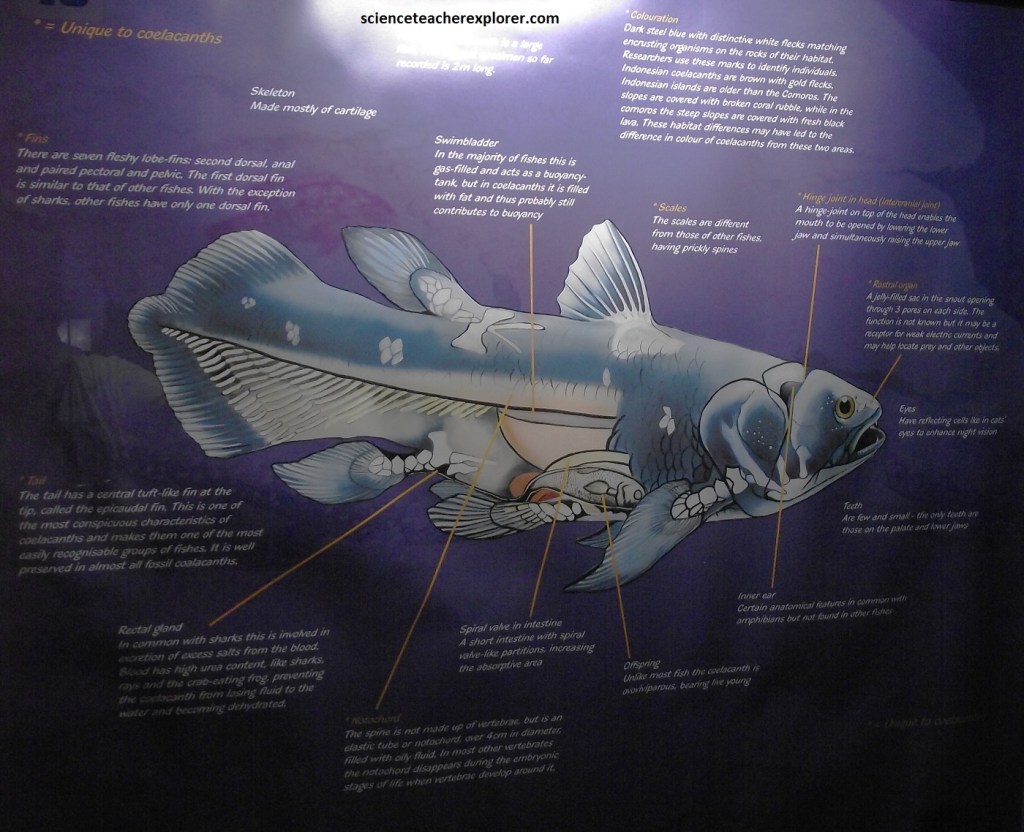
The skeleton was cartilaginous, the vertebral column apparently tubular, and the whole 1938 fish was extraordinarily oily. It had small spiracles situated, and a definite though not very obvious lateral line, which continued uninterrupted to the end of the supplementary caudal. Other differences from the known Coelacanth fishes are the pronounced pedunculation of the lobate pectorals, the reduction of the dermal armor of the head, and the presence of two small heavily ornamented bones at the anterior lower corner of the opercular plate, which probably corresponded with the more fully developed inter- and sub-opercula to teleosts, also a similar posterior pot-spiracular ossicle. Dermal para-frontals were not visible. There was a free tongue composed of four fused segments covered with presumably ossified tubercles. It should be noted that certain Coelacanth fishes underwent little apparent change from the Devonian to the Cretaceous. It was therefore not surprising that this species, which presumably had survived from the Mesozoic, should still retain most of the features which characterize that Coelacanth family.
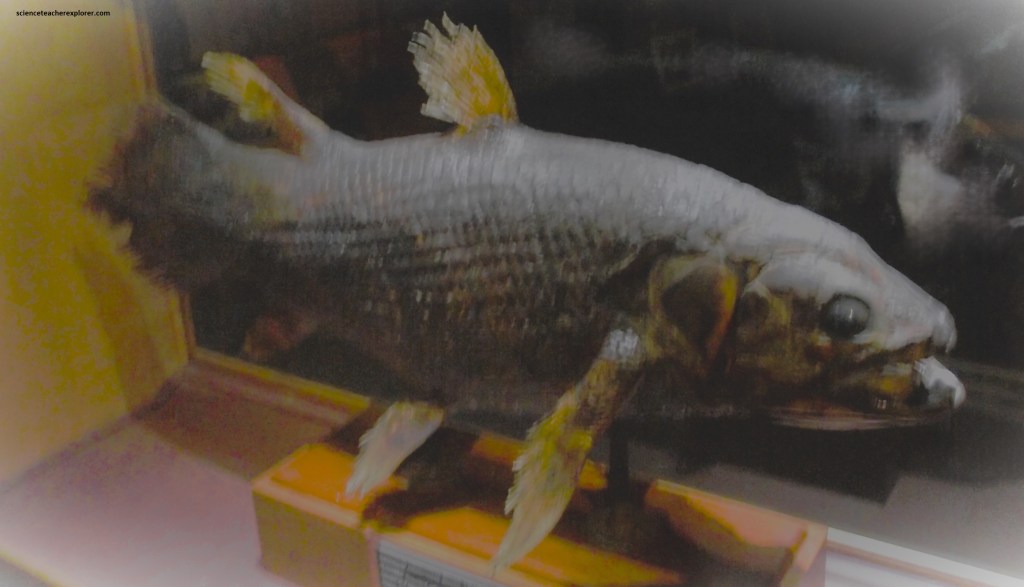
After the 1938 catch, with anecdotes abound, the search was on. Especially, beyond the East London location.
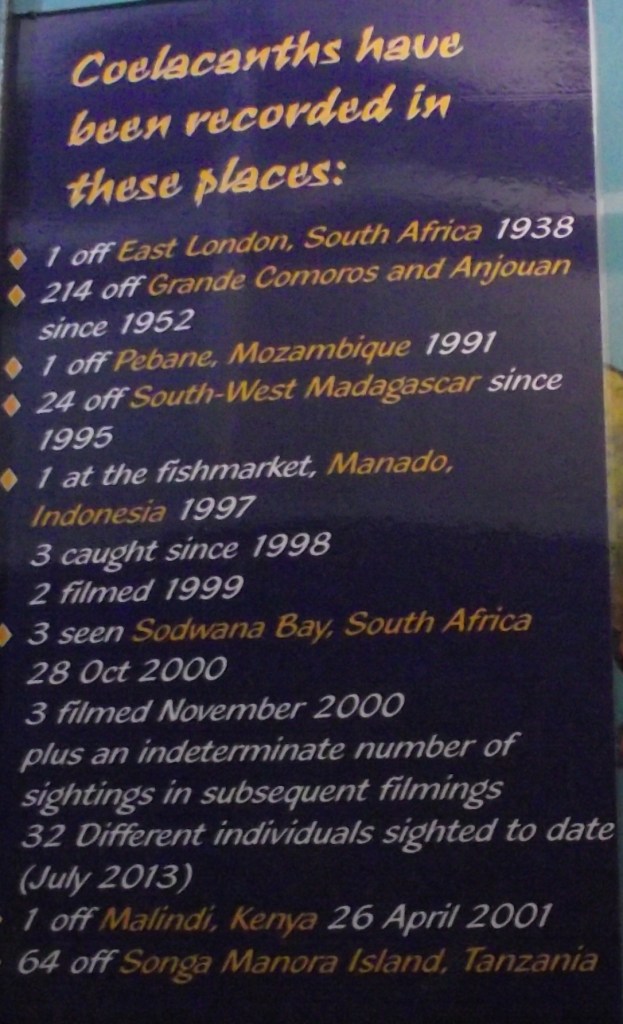
Eventually, many Coelacanths have been discovered throughout the southern hemisphere. The East London museum had several well-preserved mounts. There is now, an ecology collected of the Coelacanth.
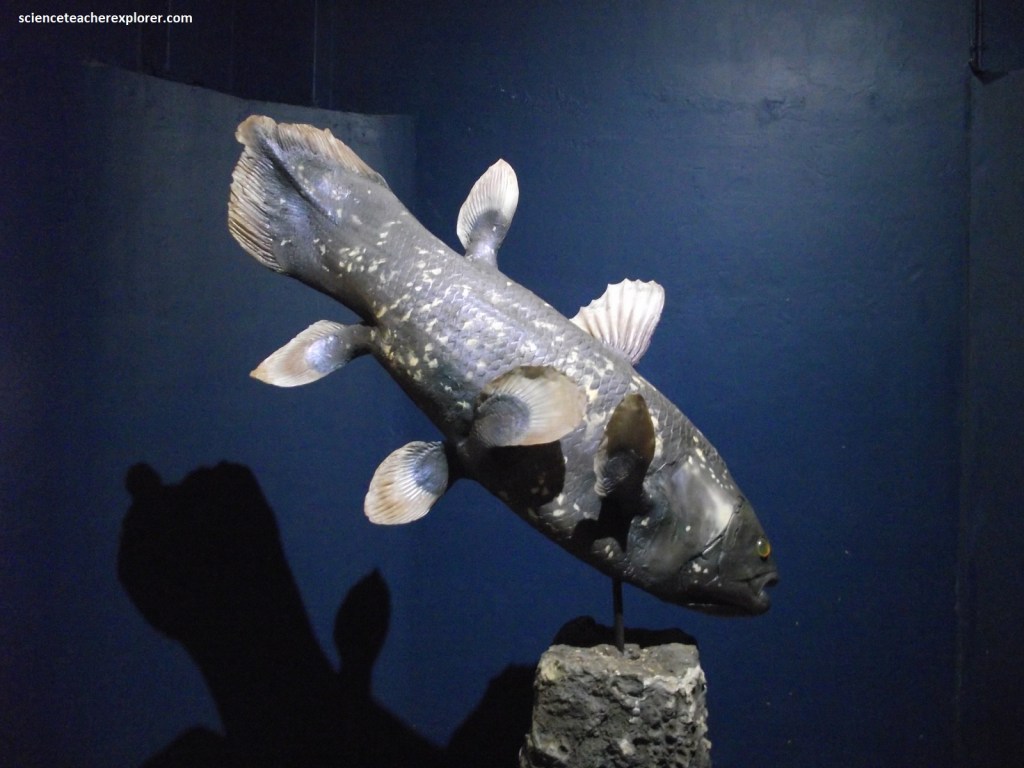
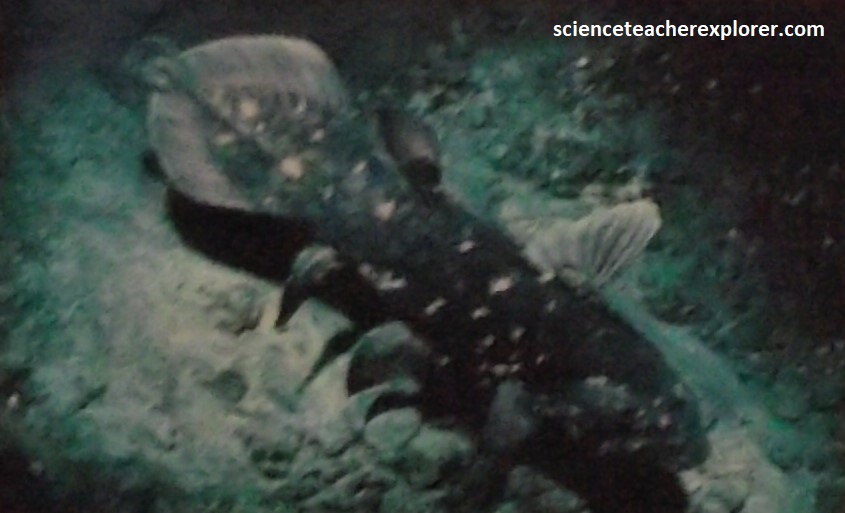
There is still much to learn about coelacanths. What we do know is largely the result of a research diving with submersibles in the Comoros and South Africa. Scientists have recorded 1300 observations over a period of 13 years in the Comoros. In 2002 and 2003, three expeditions have taken place off northern Kwazulu-Natal and Mozambique. Below are photos taken on these expeditions.
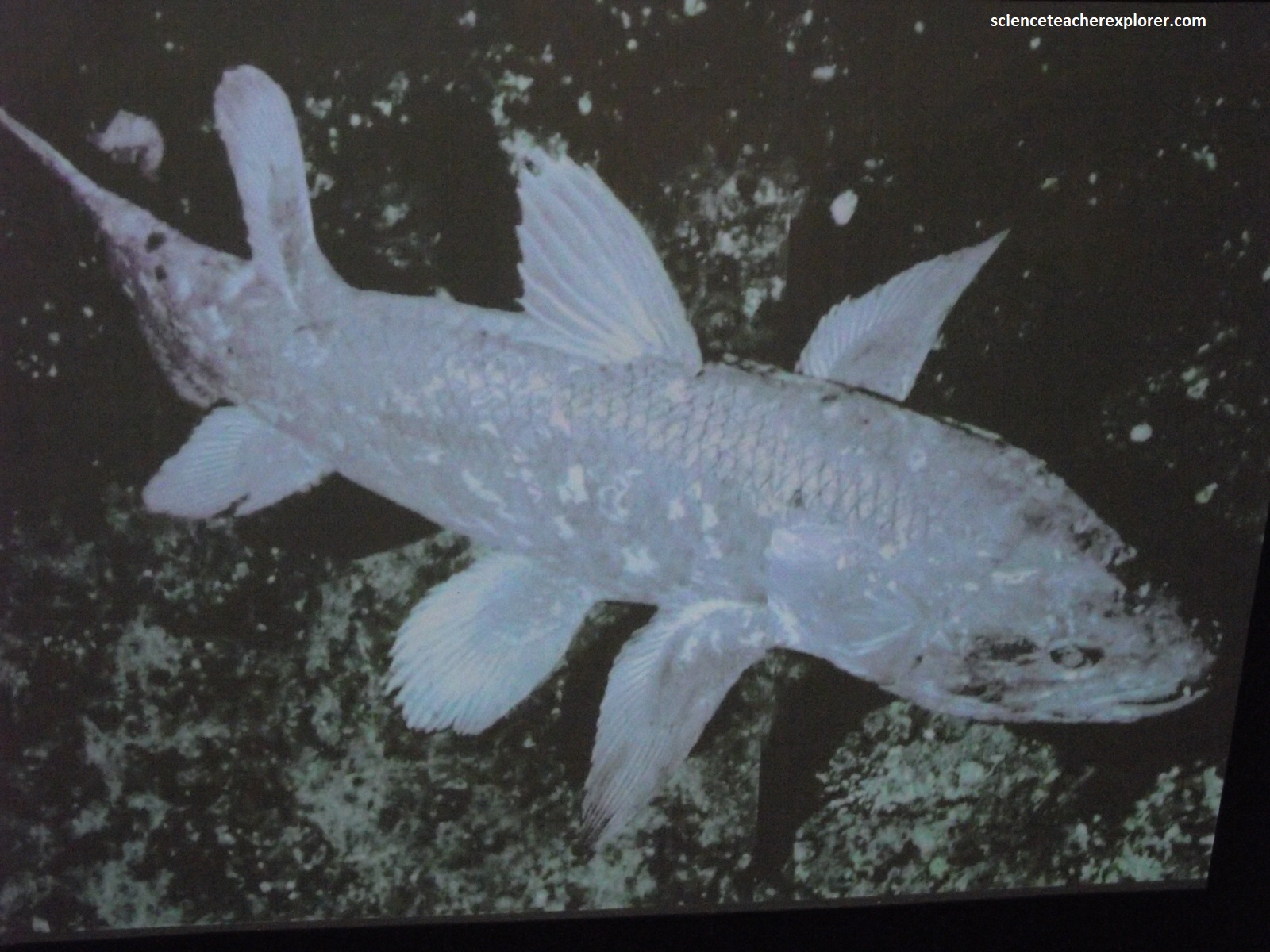
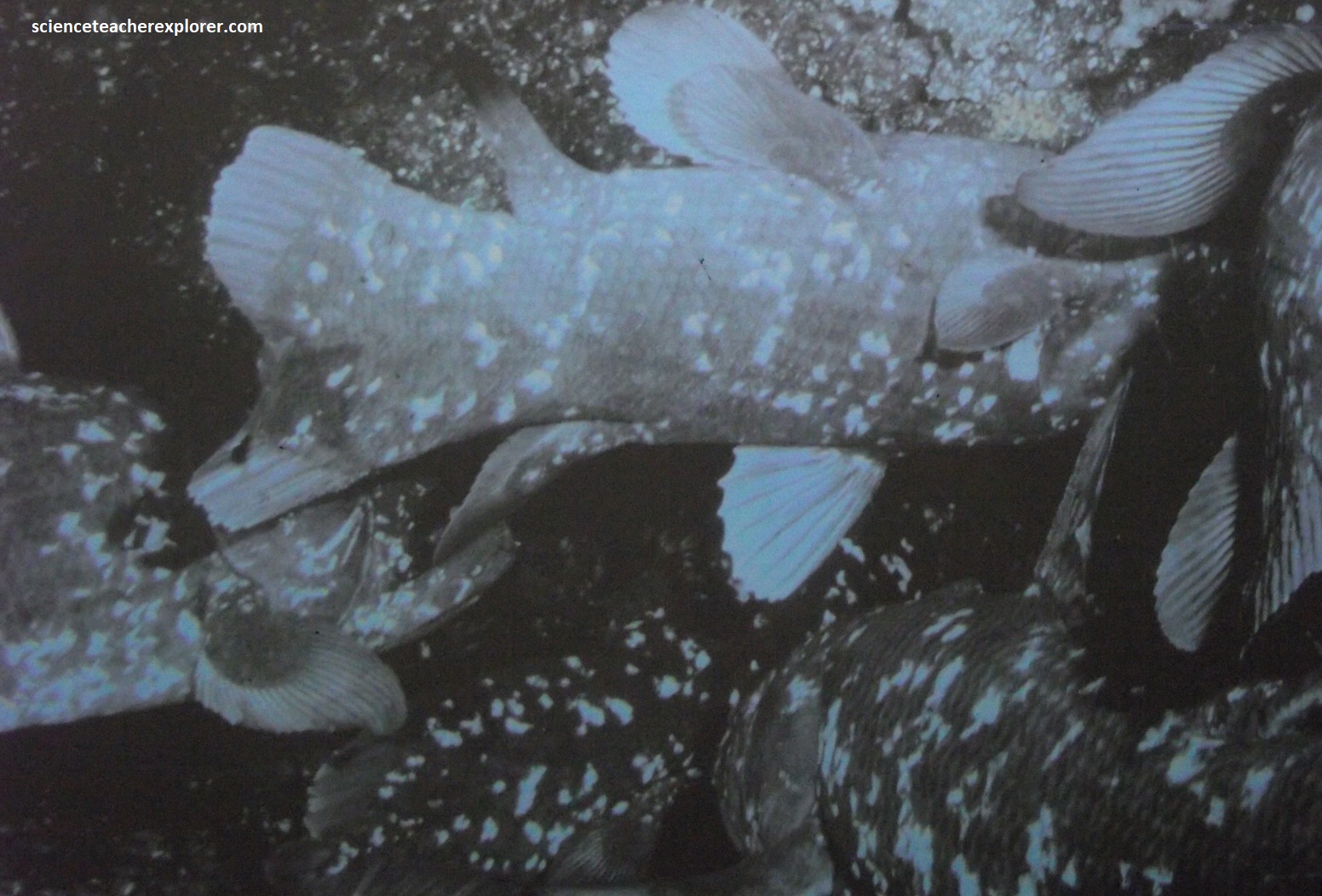
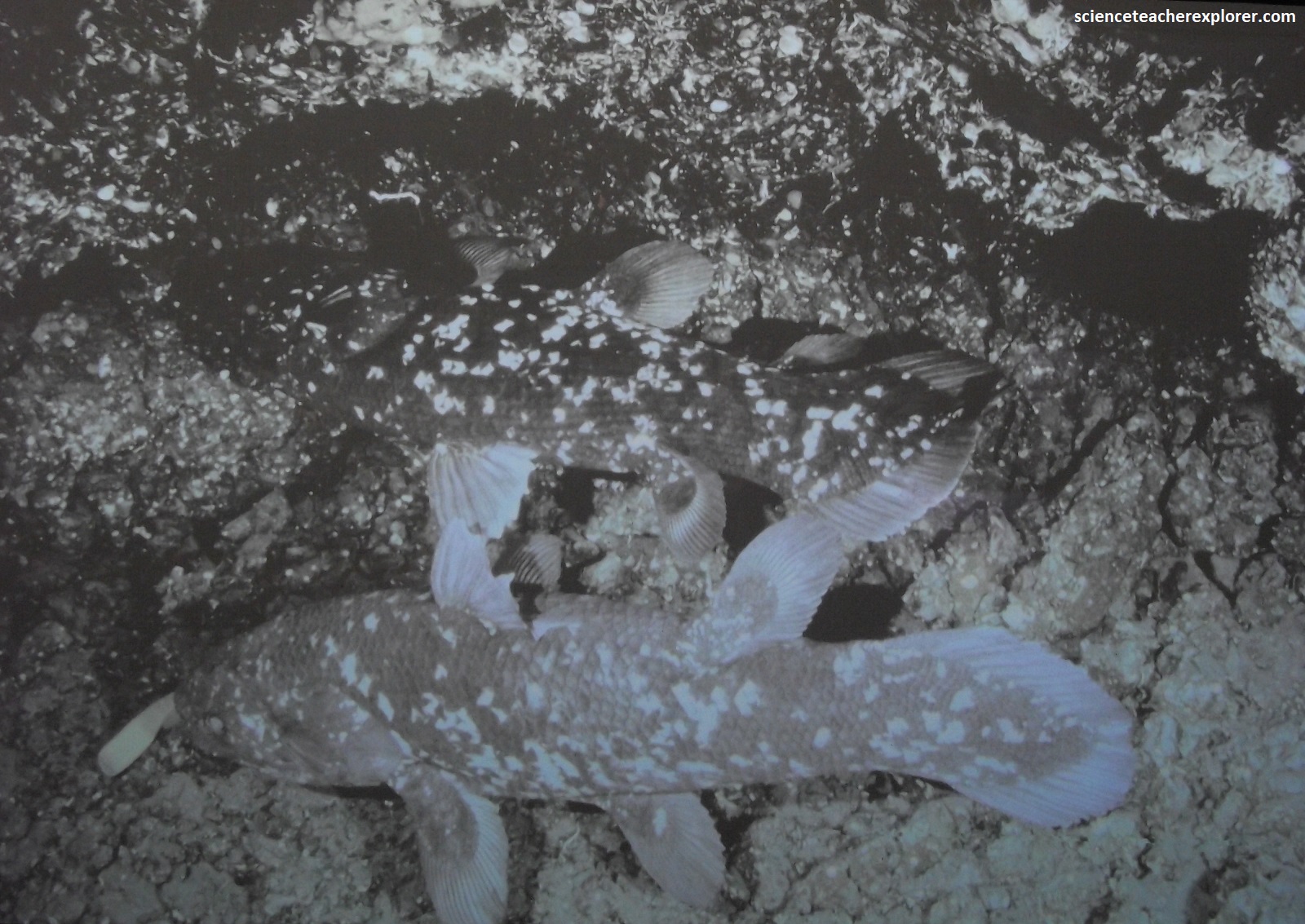
These Coelacanths occurred at depth exceeding 100 m. Scuba-diving at such depths is hazardous and permits a very short bottom time. Research submersibles were needed to search for coelacanths and to observe them in safety for periods of several hours at a time. Remotely controlled arms could be guided to collect marine specimens and coelacanth scales, to take photographs and to tag individual coelacanths. The Coelacanths seemed unaffected by the presence of submersibles and their activities.
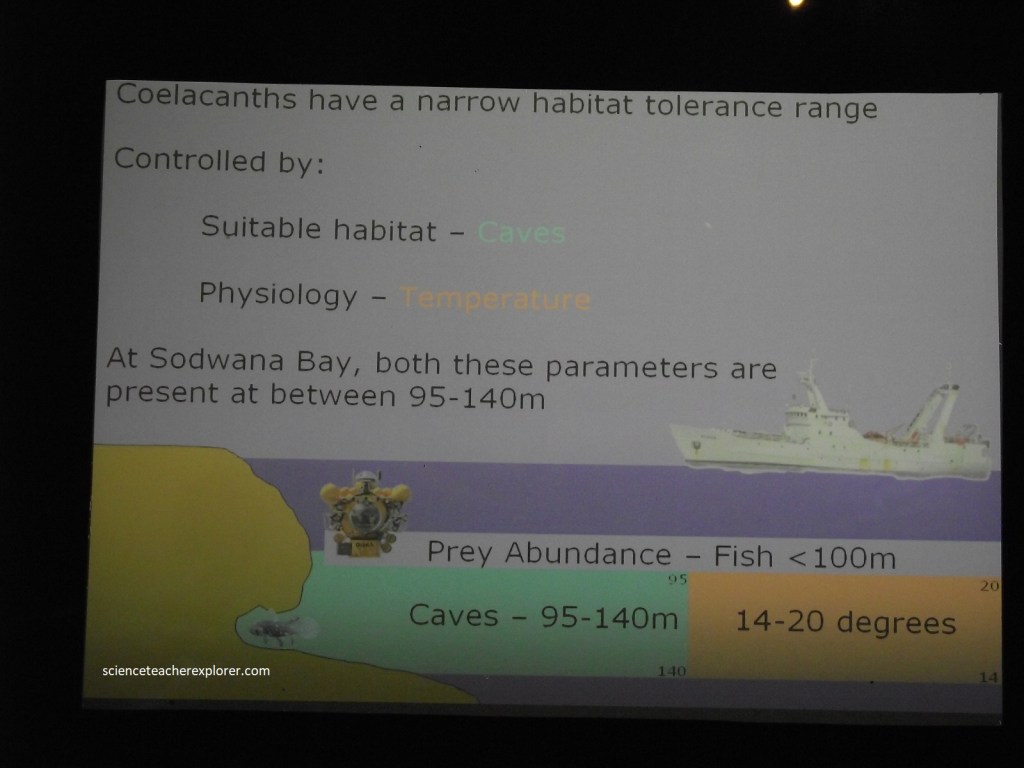
Imaged above, the preferred temperature range of coelacanths was between 14-200C. They could not live in shallow water where temperatures were warmer since there was not sufficient oxygen. In the Comoros these temperatures occurred between 200-250 m depth, but further south off Sodwana By these temperatures were shallower, (95-140m). The Coelacanths avoided strong currents and during the day they aggregated in caves or under overhangs. This saved energy and protected them from predators. In the Comoros, coelacanths inhabit steep barren lava slopes of the volcanic islands Grande Comoro and Anjouan. In South Africa, coelacanths live in canyons. Here they were found outside caves and not always in them.
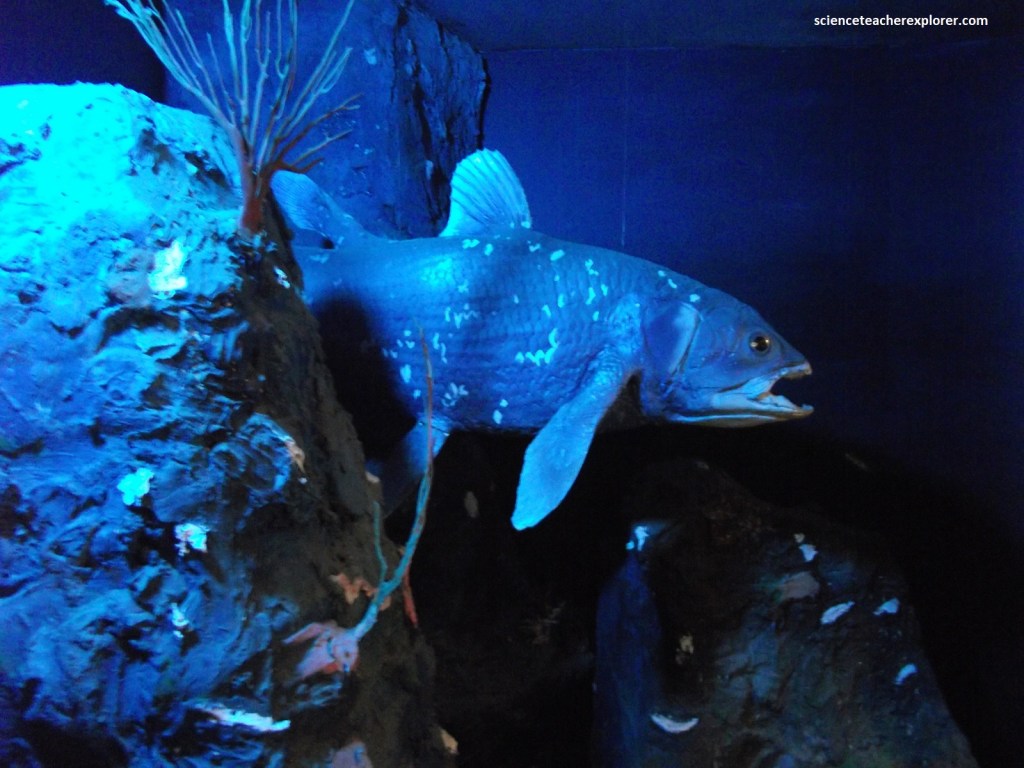
Coelacanths float 10-20 cm off the bottom and assume various body positions: headstands, tail stands, upside down or any angle. Caves had a varying number of occupants from day to day; up to 14 in one cave. There were no aggressive interactions. Each Coelacanth appeared to have a horizontal home range (usually 2-4 km in the Comoros) and home range overlapped.
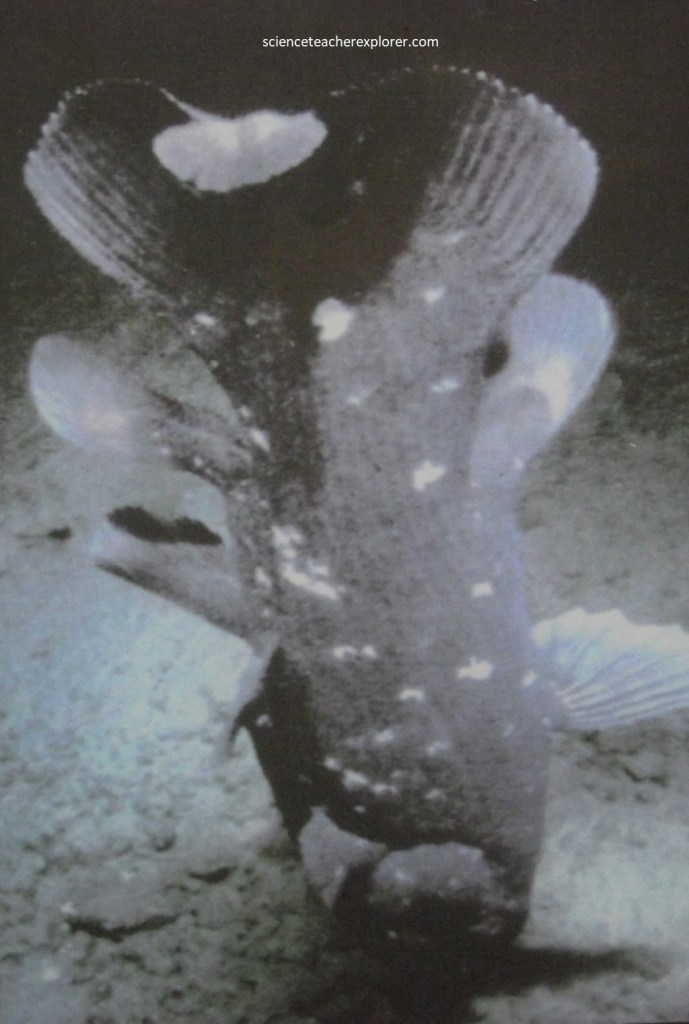
Pictured above, Coelacanths have one of the lowest metabolic rates of all the fishes and need little food. At night they leave their caves and hunt by drifting and swimming slowly, accelerating rapidly to catch prey. Prey is swallowed whole since their teeth are tiny and are not used to bite large prey. In the Comoros coelacanths do short deep dives to hunt bottom living species. Pictured above, the drifting of the coelacanth in a head-standing posture would enable easy capture of prey that moves within or just above the bottom. Stomach content analyses of Comoros specimens revealed the following: lanternfish, stout beard fish, deep-water cardinal fish, deep-water snapper, deep-sea witch-eel, swell shark, “Beryx decadactylus” and a whole cuttlefish. The paired fins alternate synchronously in a pattern resembling the movement of fore and hind limbs of a four-legged animal on land. No other fishes have this co-ordination of fins, that could have been a pre-adaptation to walking on land. No coelacanths have been observed to walk on their lobe-fins or even to rest on the bottom supported by them. During head-standing the Coelacanth drifts slowly and curves the tail slowly side to side.
All Coelacanths longer than 1.65 m are females. The eggs are the largest of any fish; 325 grams & 9 cm in diameter. Fertilization is internal and the young develop inside the female. Their primary source of nourishment for the young is the original egg. A female caught off Mozambique in 1991 contained 26 nearly full-term young. Reproduction in the Coelacanth differs from that of other fishes in which many eggs are shed into the water, fertilization is external and few larvae survive. However, it is similar to many sharks.
Things we do not know about the life history of the Ceolacanth:
- What are the ages of individuals in a population?
- What is the sex composition in a population?
- What is the age at maturity?
- How and where does mating take place?
- How often do they breed?
- Do all mature adults participate in breeding?
- How long is the gestation period?
- How many eggs are produced and how many juveniles are born?
- Where are juveniles born, where do they live, what is their diet?
- Is ther parental care?
- What is the growth rate?
- What is the predation rate on Coelacanths?
- How long do they live?
 Explorer/Trekker