Kitty Hawk, NC 2024
In the summer of 2024, Becky (my wife) and I had the opportunity to visit the northeastern corner of North Carolina and it’s Outer Banks of Bodie Island. There we visited Kitty Hawk.
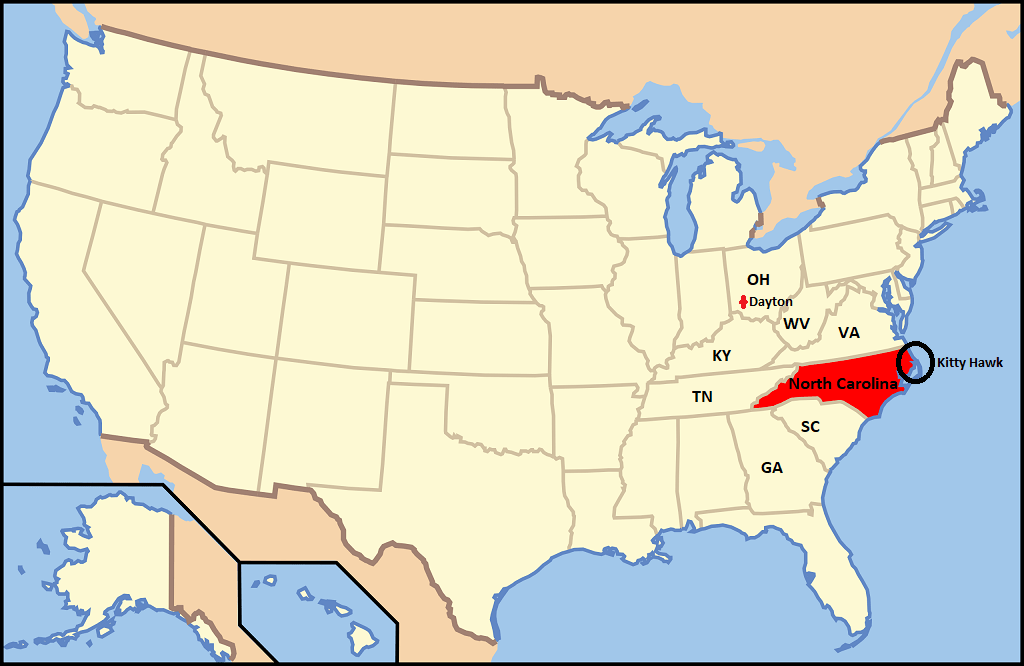
Kitty Hawk became world-famous after the “Wright brothers made the first controlled powered airplane flights at “Kill Devil Hills, 6.4 kilometers from the town, on December 17, 1903. We drove into the area from Portsmouth, Virginia on SR-168 that turned into US 158.
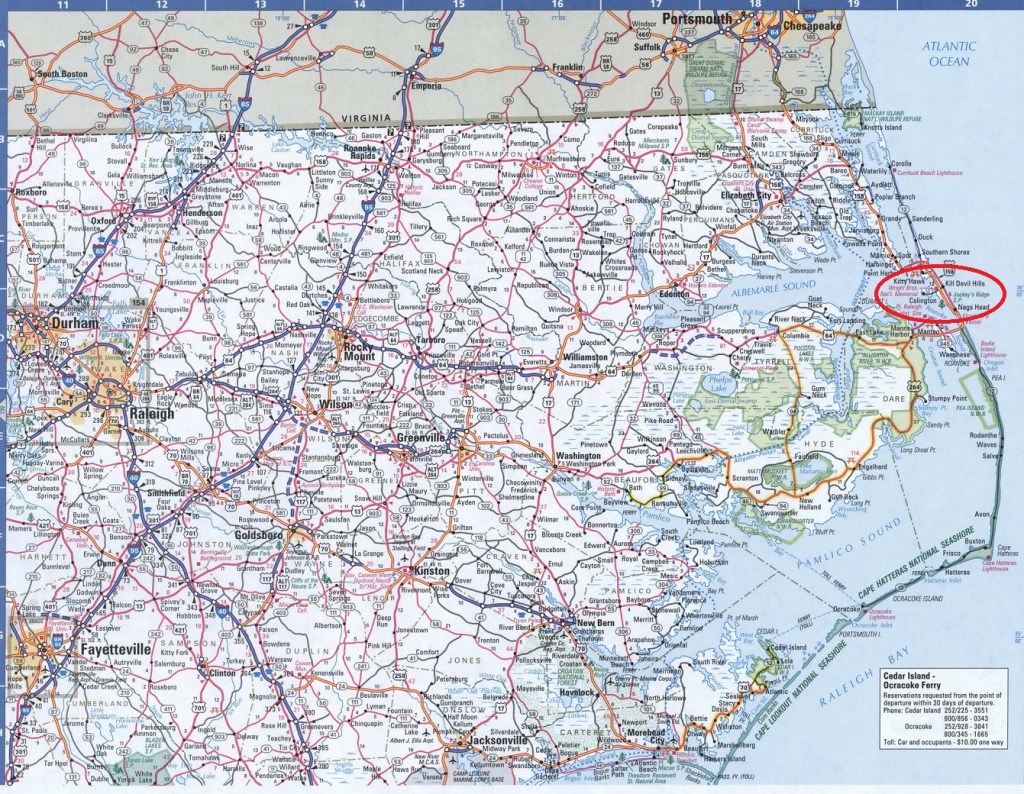
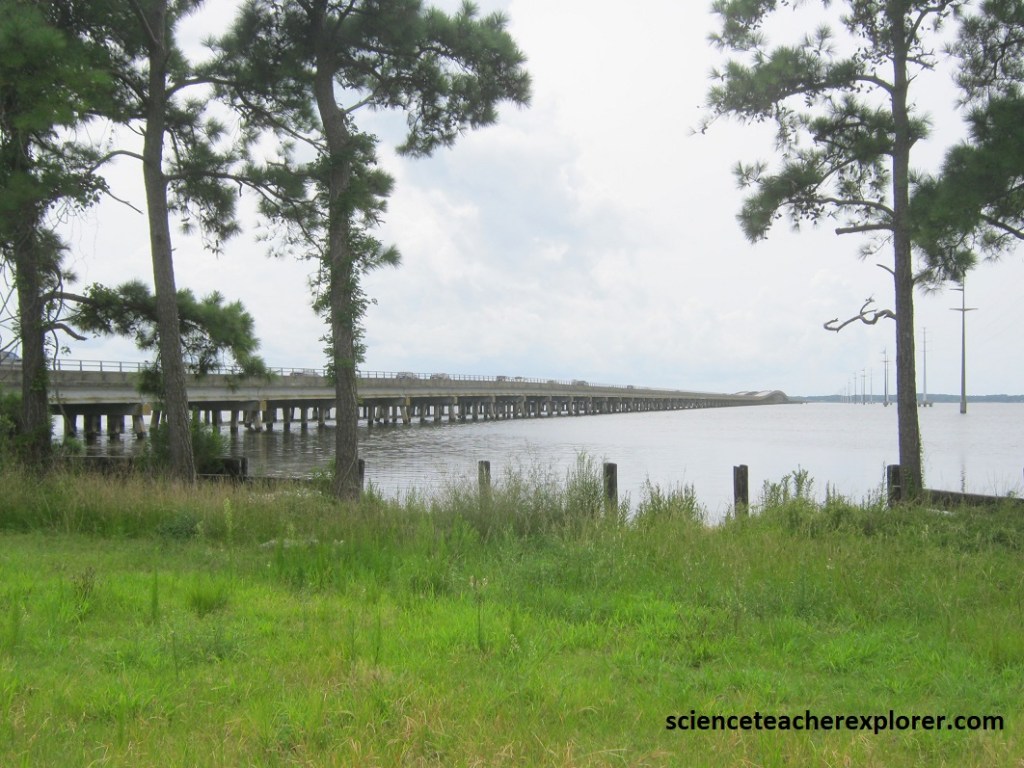
As US-158 drifts past farmland and salt marshes along the shallow water of Currituck Sound, seductive roadside vegetable stands and barbecue joints vie for our attention. All that changes abruptly at Point Harbor, where the Wright Memorial Bridge, a low-lying two-laner, carried us across the silver-blue sound to a bustling ocean-side beach area, (pictured below).
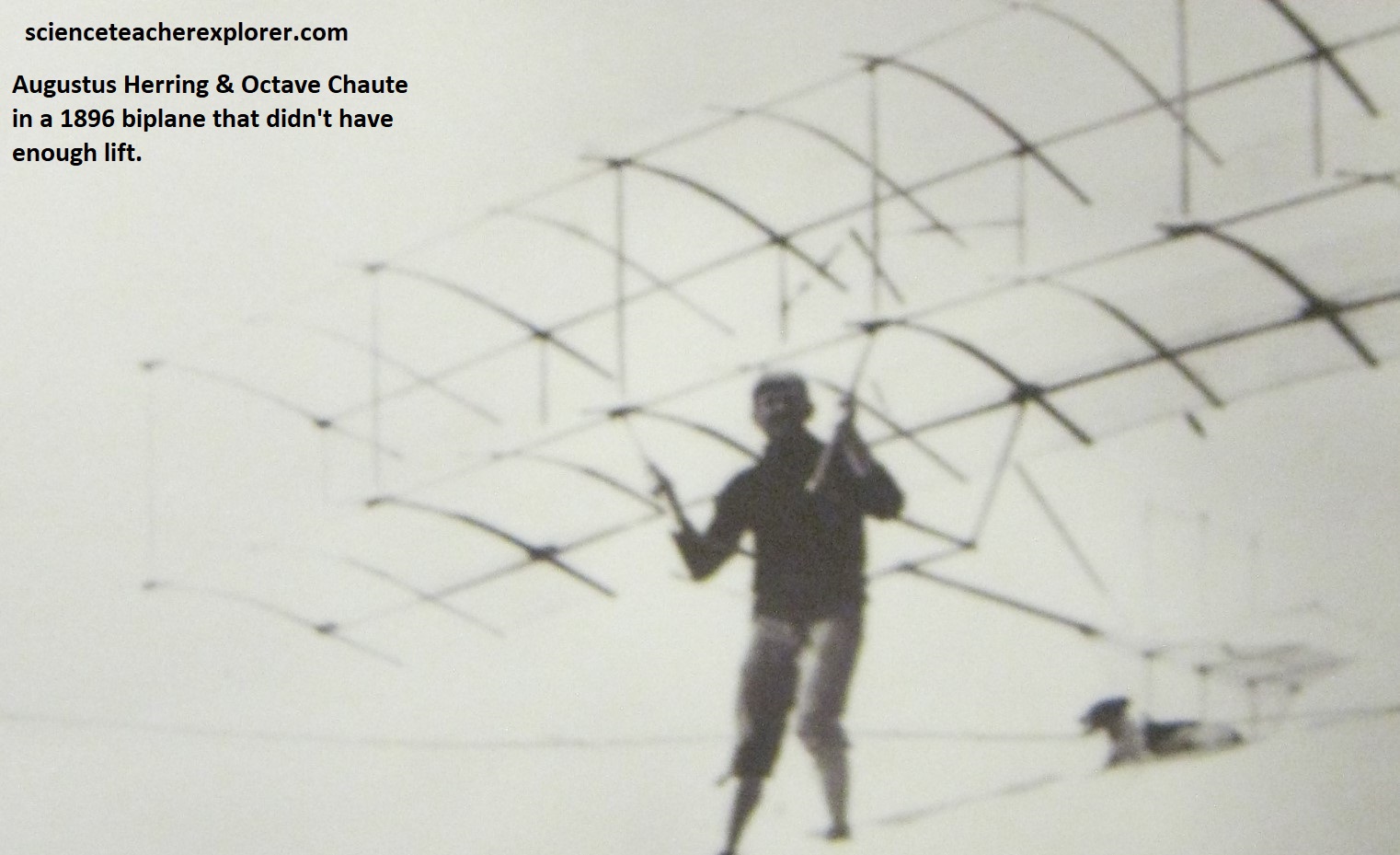
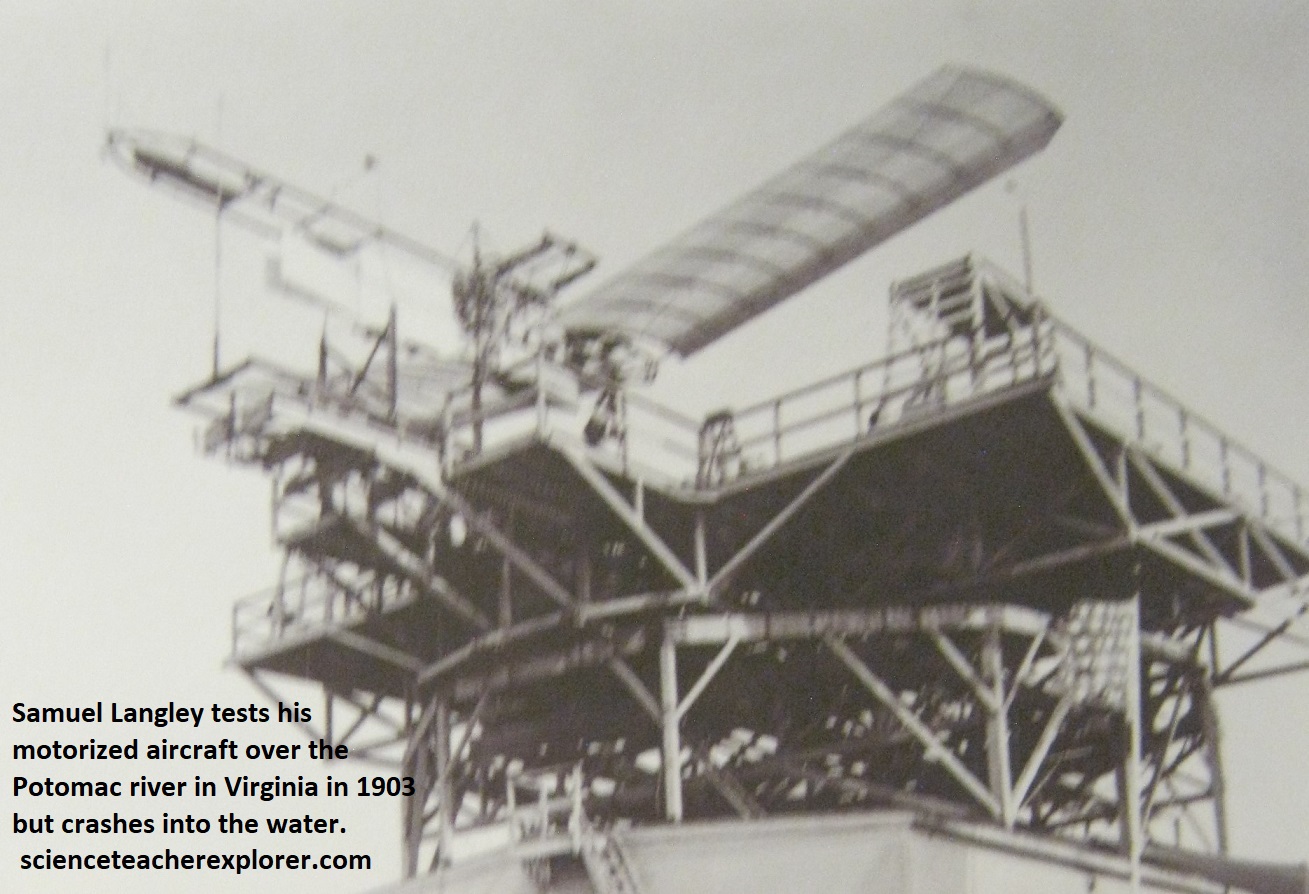
In the late 1890s and early 1900s, very few people believe that human powered flight would ever be possible. Many prominent scientists were trying to conquer flight, but with no success. Many had begun to hope of achieving heavier-than-air flight, (pictured below).
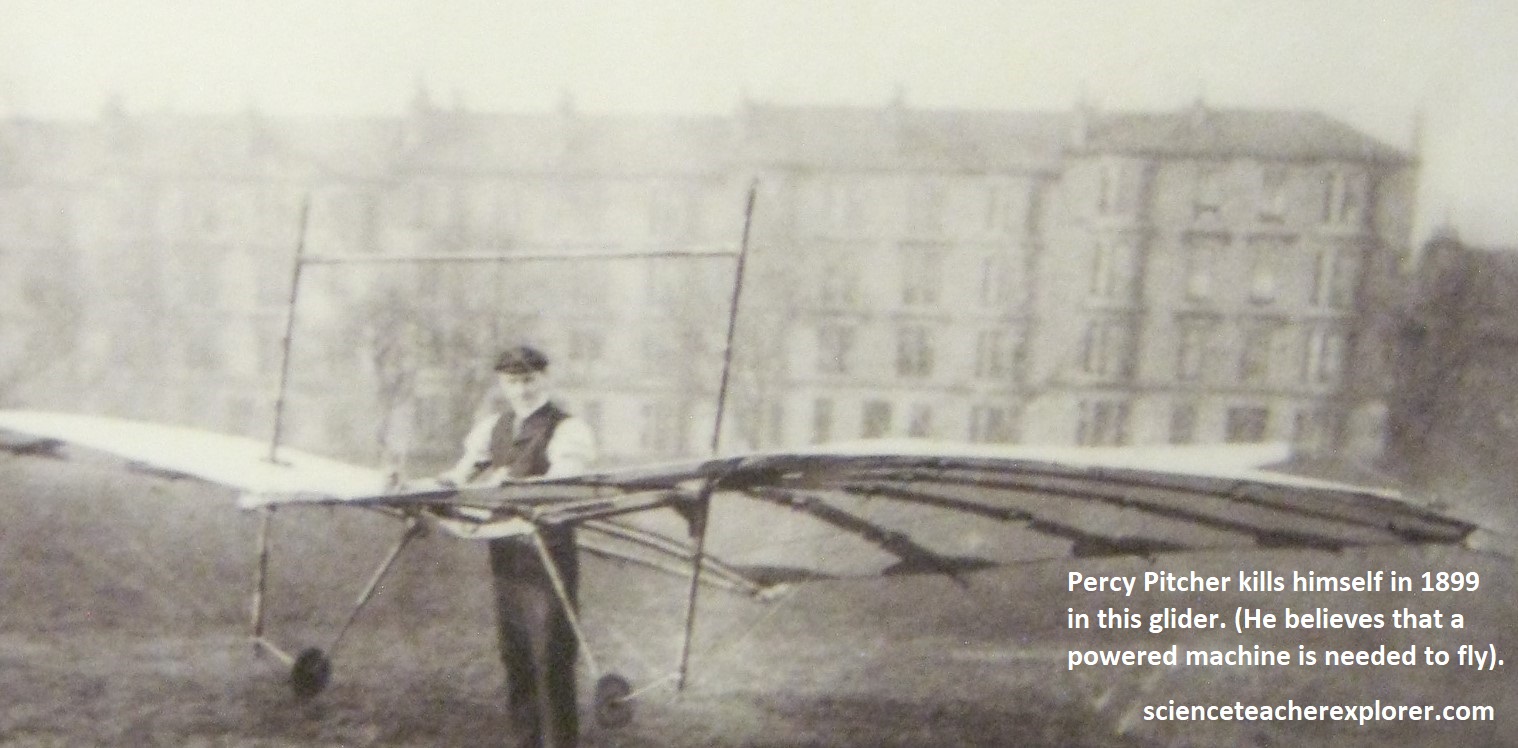
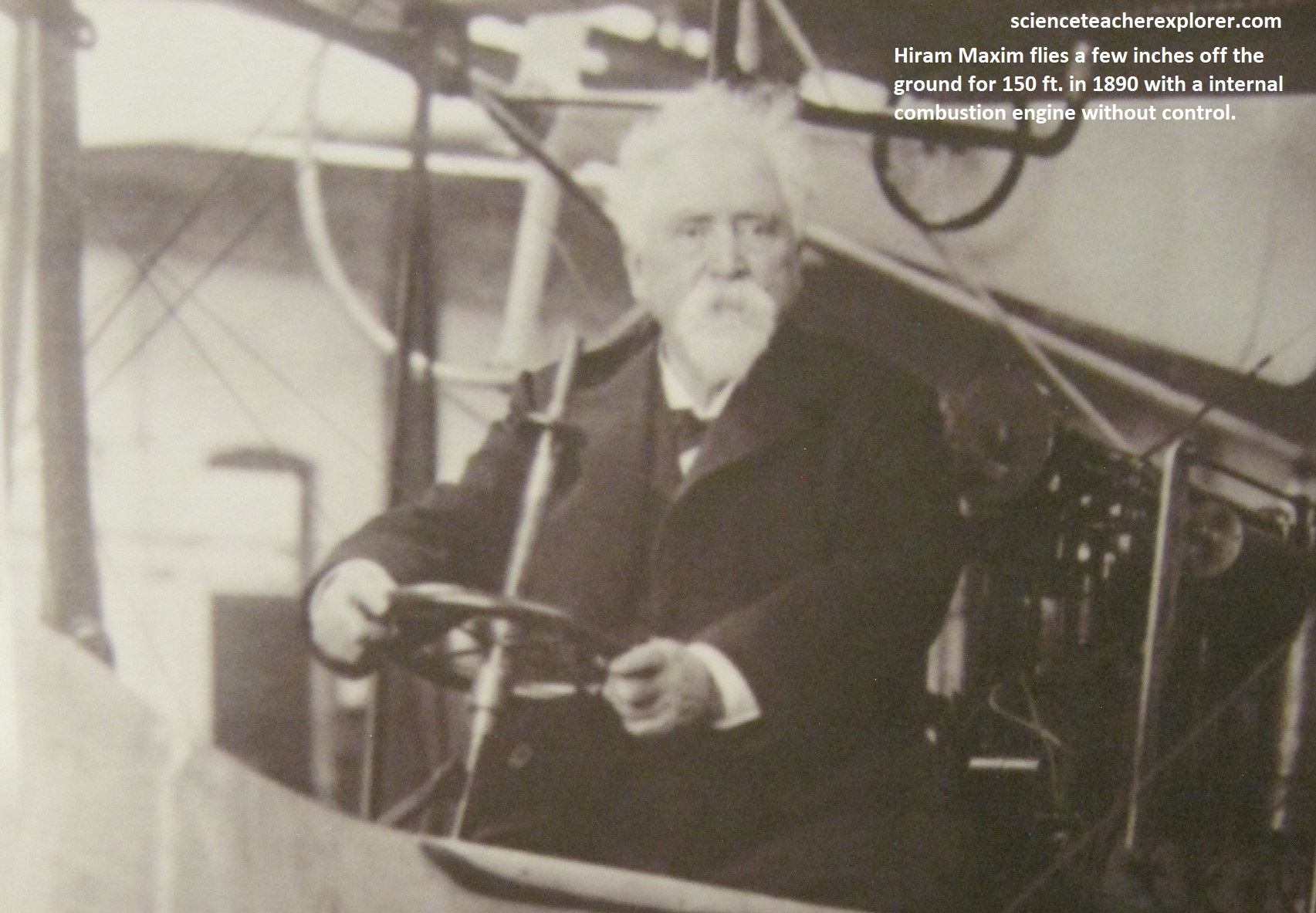
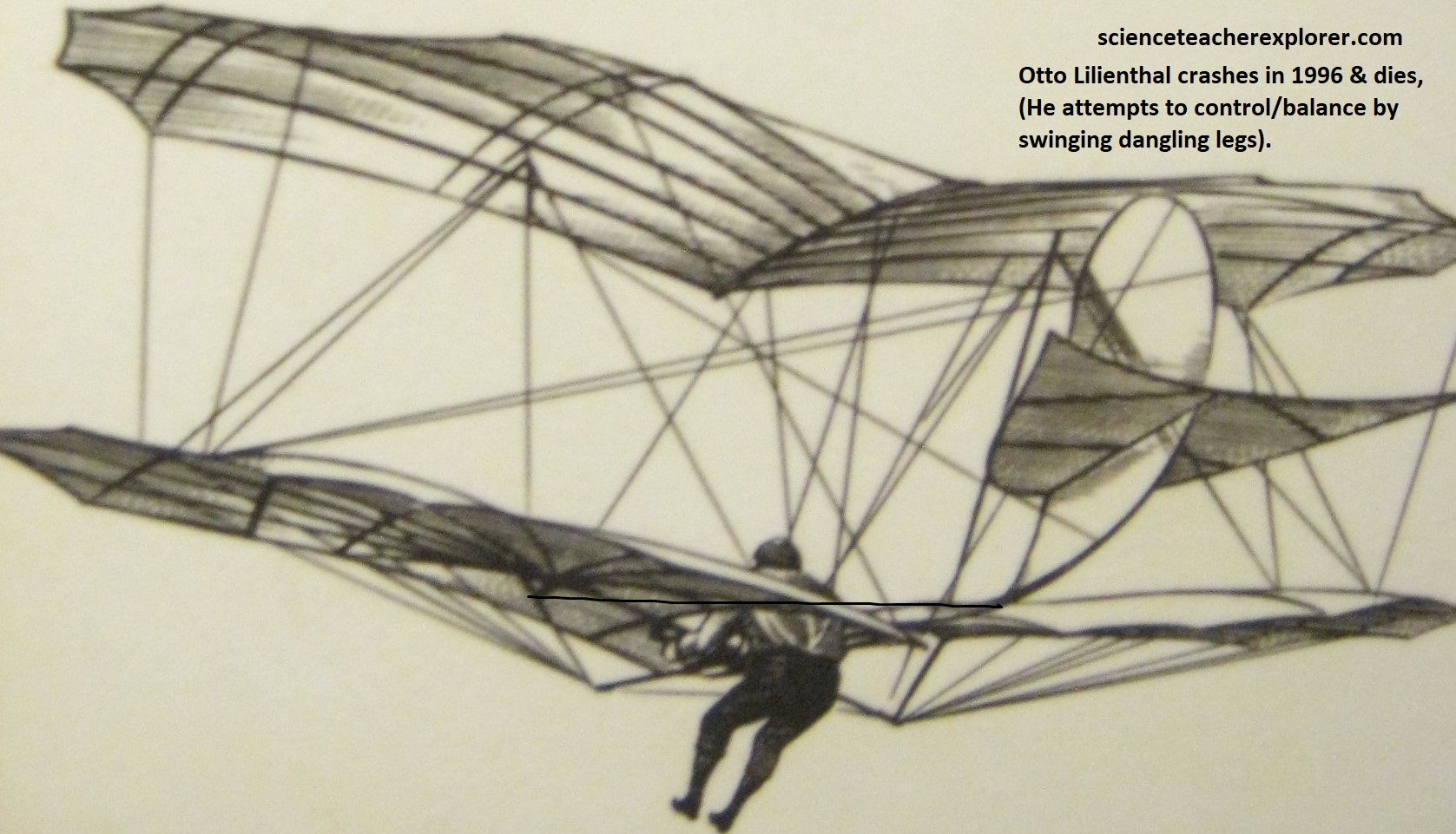
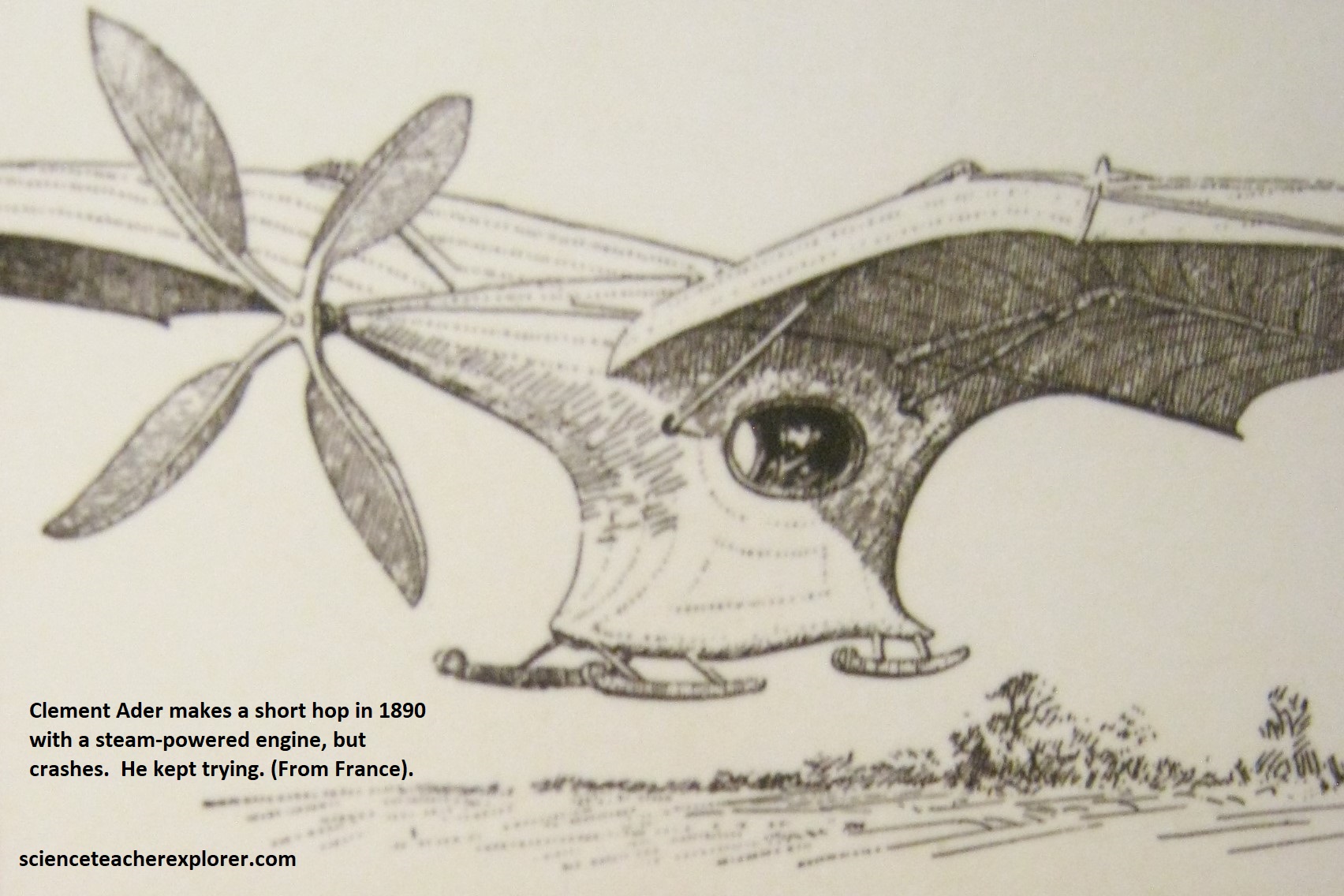
Over 1095 km away in Dayton, Ohio, brother Orville and Wilbur Wright were born to Susan and Milton Wright. Susan and Milton have 7 children (twins, Otis and Ida, die in infancy). They pass their values on to their children: a belief in self-reliance, determination, and hard work. A love of learning. And a strong sense of social justice.
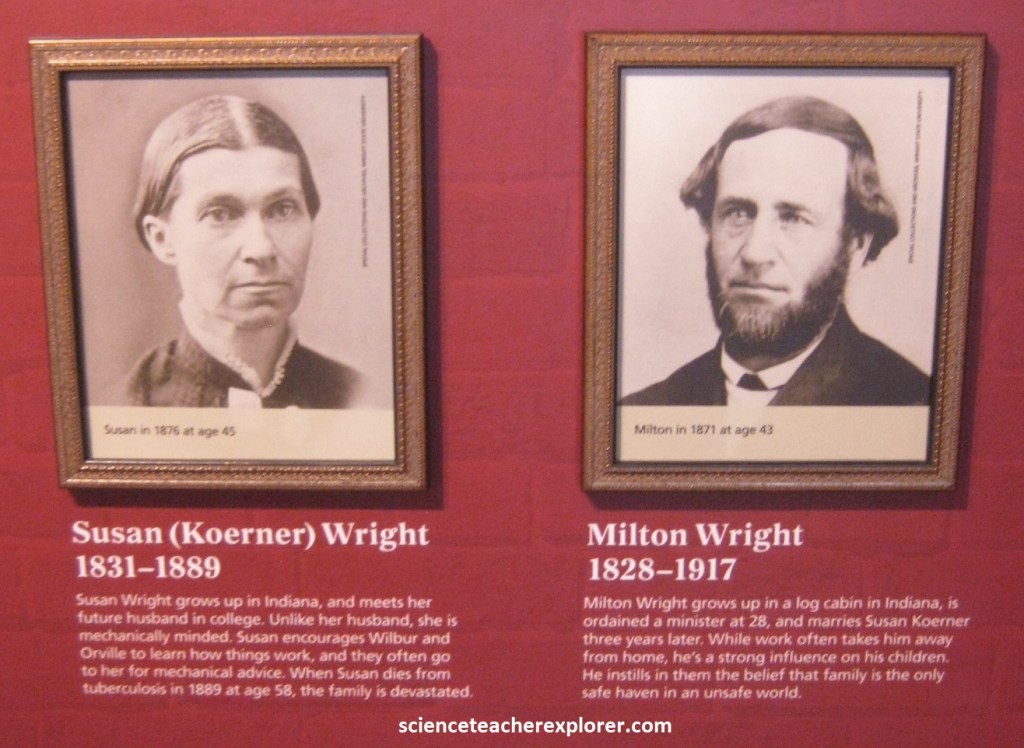
Pictured above, Wilbur and Orville Wright grow up in Dayton, Ohio, in a close-knit family. Parents Susan and Milton Wright foster their children’s curiosity and intellect. And they encouraged them to test their wings and pursue their dreams. {The images below were taken from a public interpretive-sign on-site}.
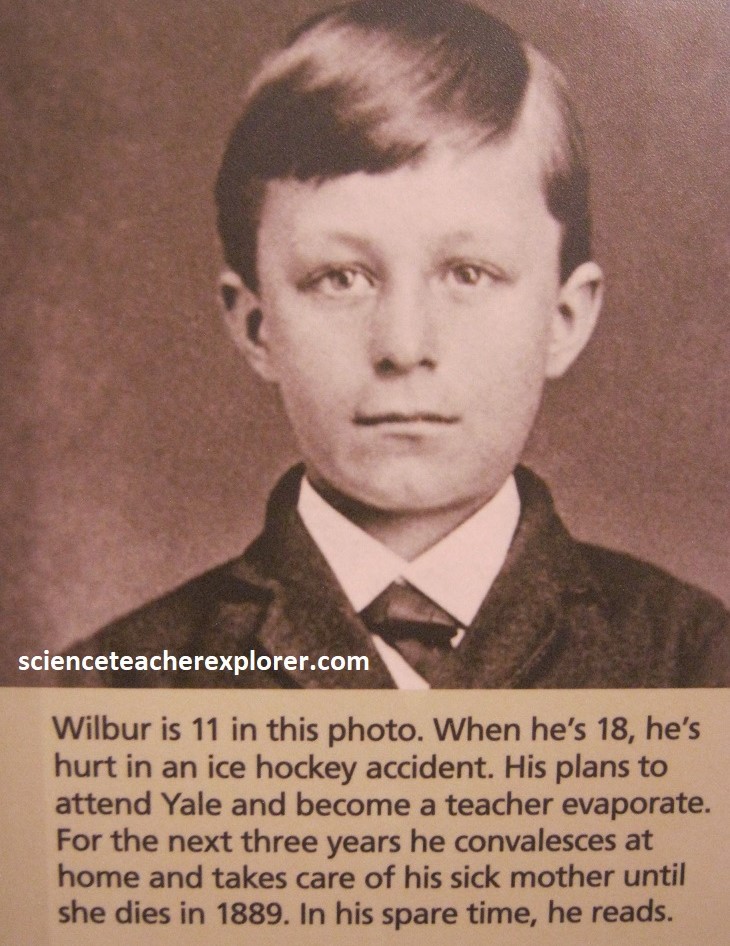
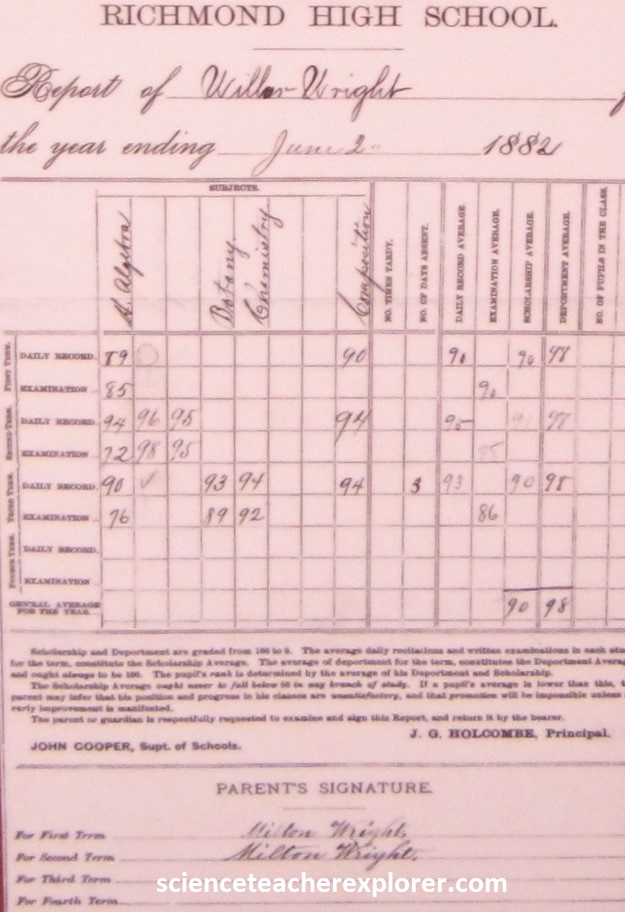
Wilbur Wright is smart, well-spoken, quick-witted, able to retain facts and put things in a logical order, an athlete (gymnastics and cycling), and a natural leader. He’s also shy, calm, quiet, and a little rumply. Pictured above, is his report card from Richmond High School in Indiana, 1882. He completes high school in 1884, but the family moves to Dayton before he receives his diploma. {The images below were taken from a public interpretive-sign on-site}.
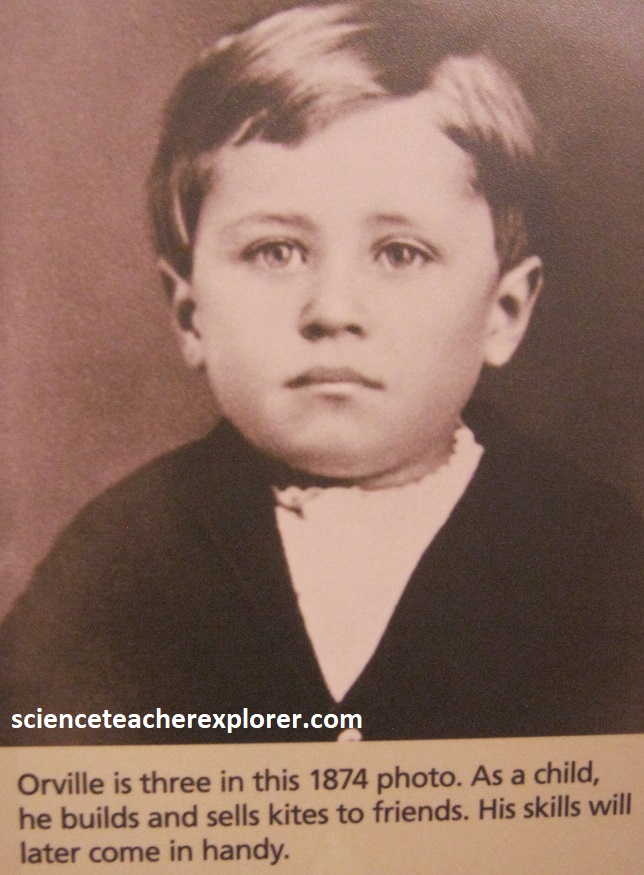
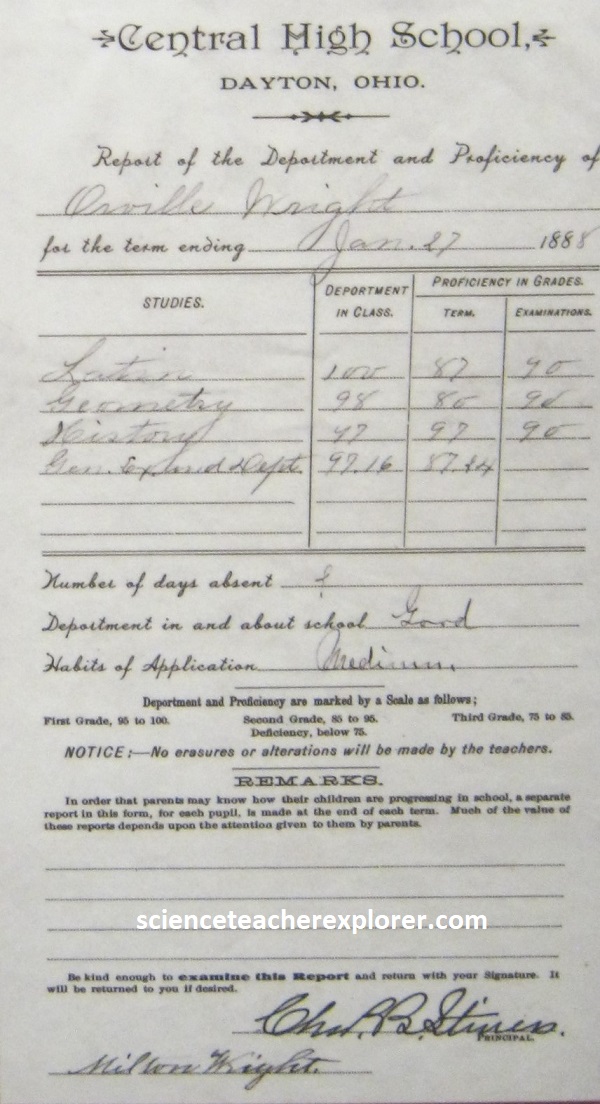
Orville Wright is a dreamer, an idealist, a restless thinker, and a sharp dresser. He’s mechanically minded, (he can see why something doesn’t work, fix it, then make it better). He’s an avid reader, a good cook, and a keen cyclist. Shy in public, Orville’s a prankster and a chatterbox at home. Pictured above, Orville’s report card from Central High School in Dayton in 1888. His teachers gives him a “medium” for his “habits of application”. {The images below were taken from a public interpretive-sign on-site}.
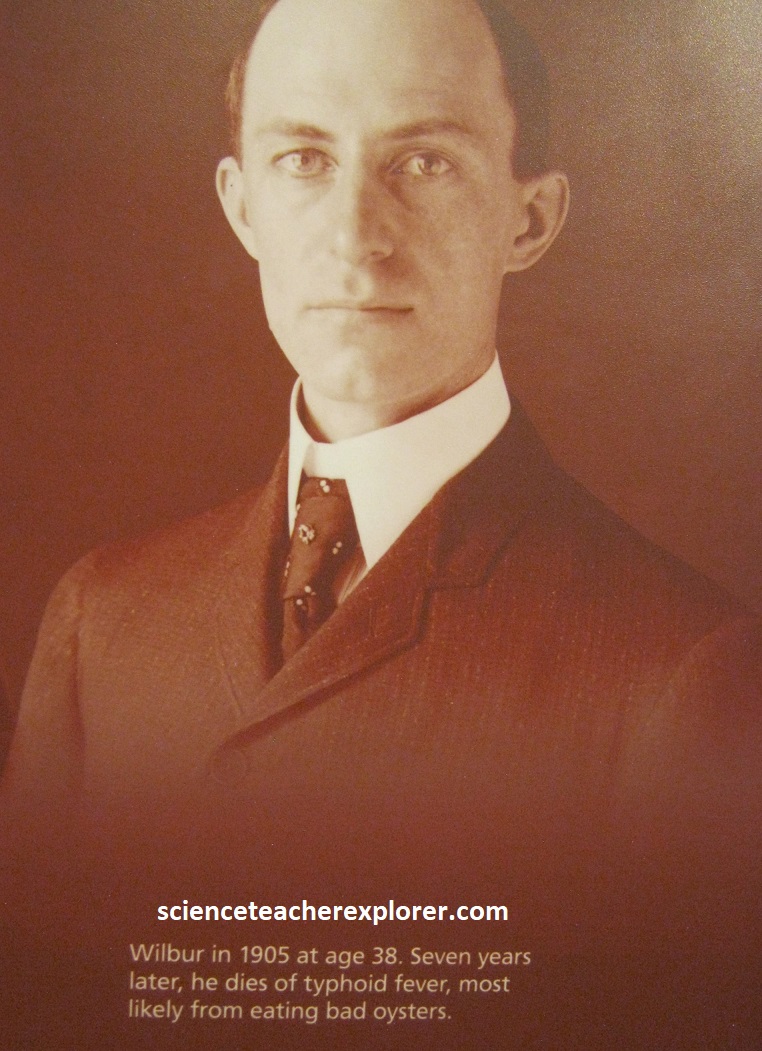
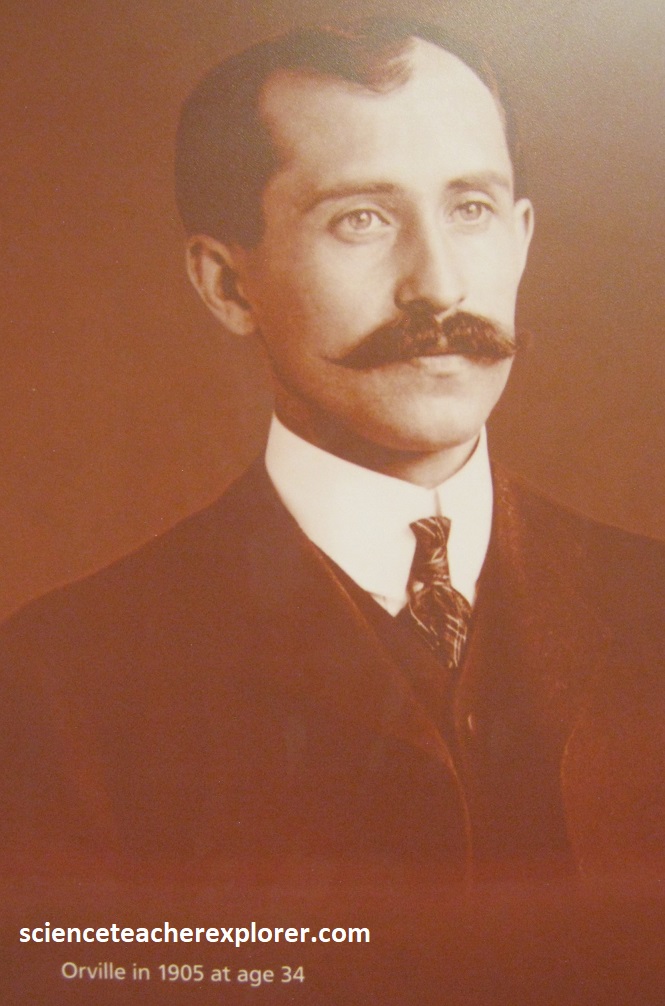
The three youngest in the Wright family, (Wilbur, Orville, and Katharine), were extremely close. They had nicknames for each other: Wilbur was “Ullam”, Orville was “Bubbo”, and Katharine was “Swes” or “Sterchens”. {The images below were taken from a public interpretive-sign on-site}.
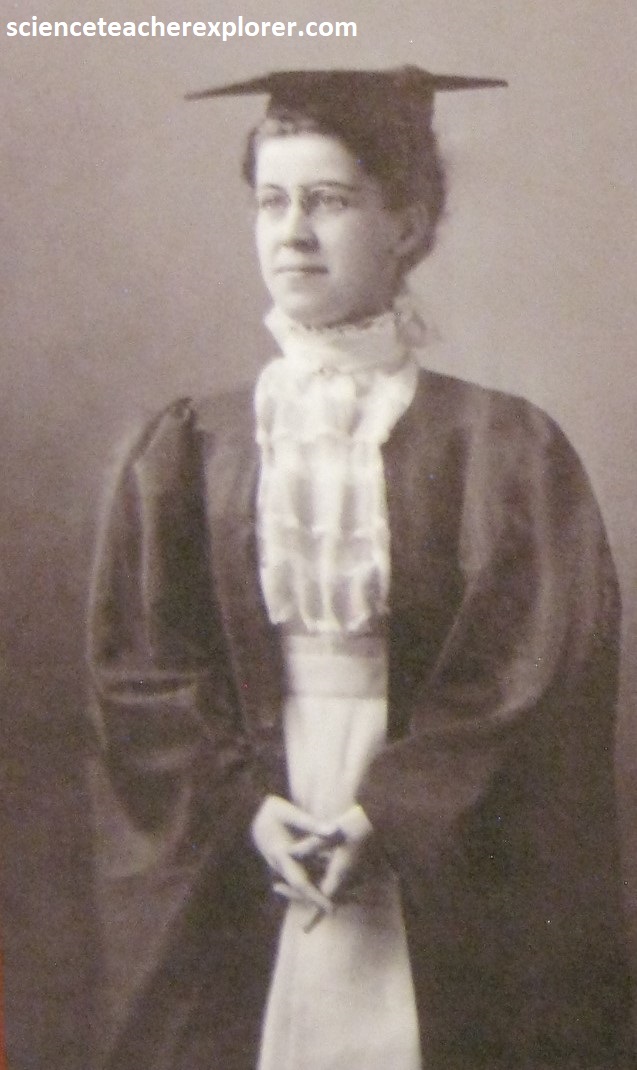
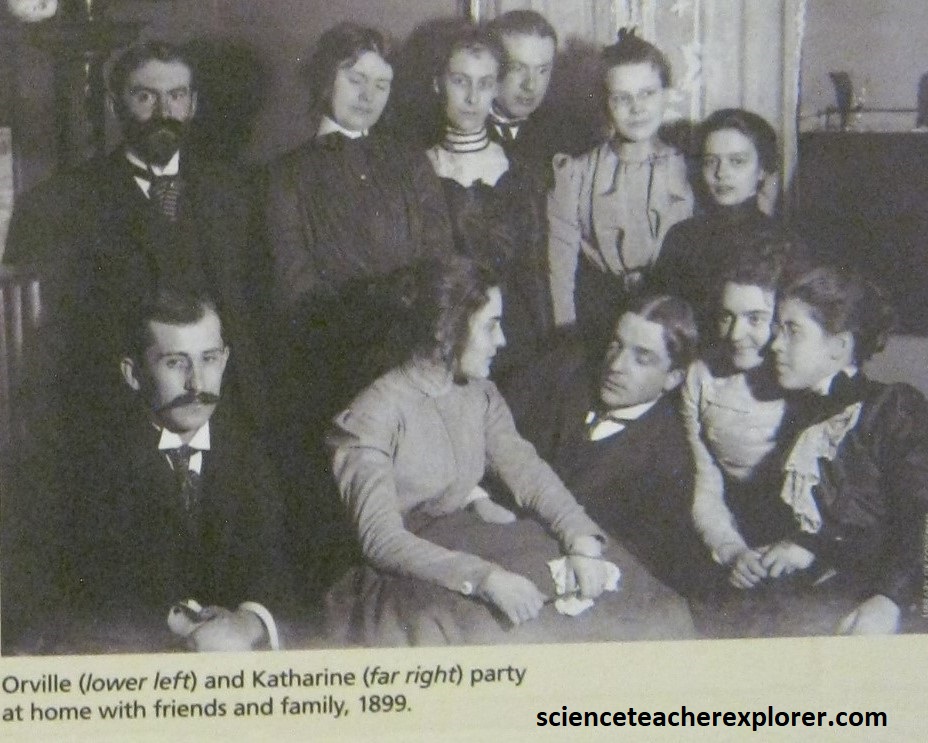
Pictured above, Katharine was only 15 when her mother died. Supporting her family, she stepped into the role of homemaker. She went on to college and became a teacher. She was the only one of the Wright children to earn a college degree. The picture above, is her 1898 Oberlin College graduation portrait. Katharine was always a loyal sister who had great confidence in her brothers, and when they said that they would fly, she believed they would….without question! {The images below were taken from a public interpretive-sign on-site}.
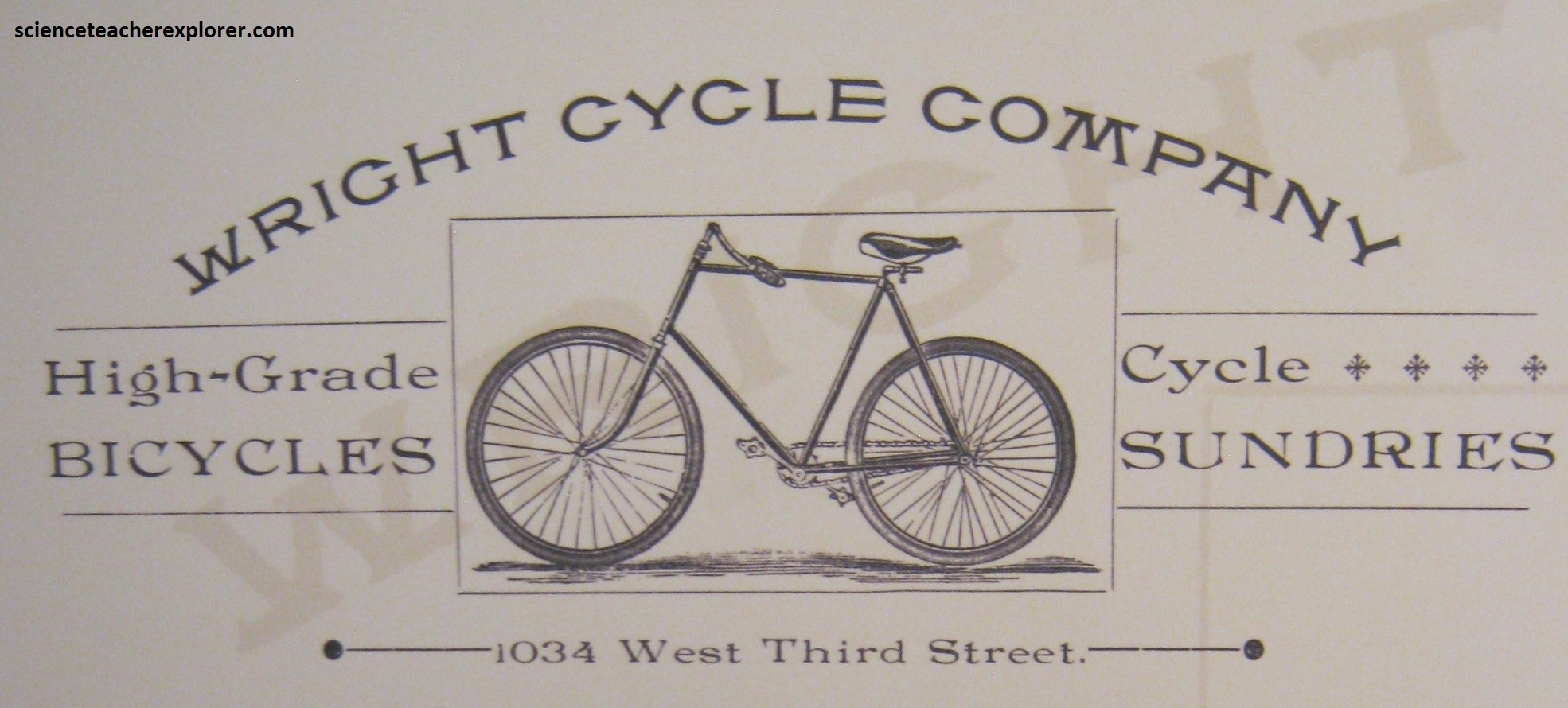
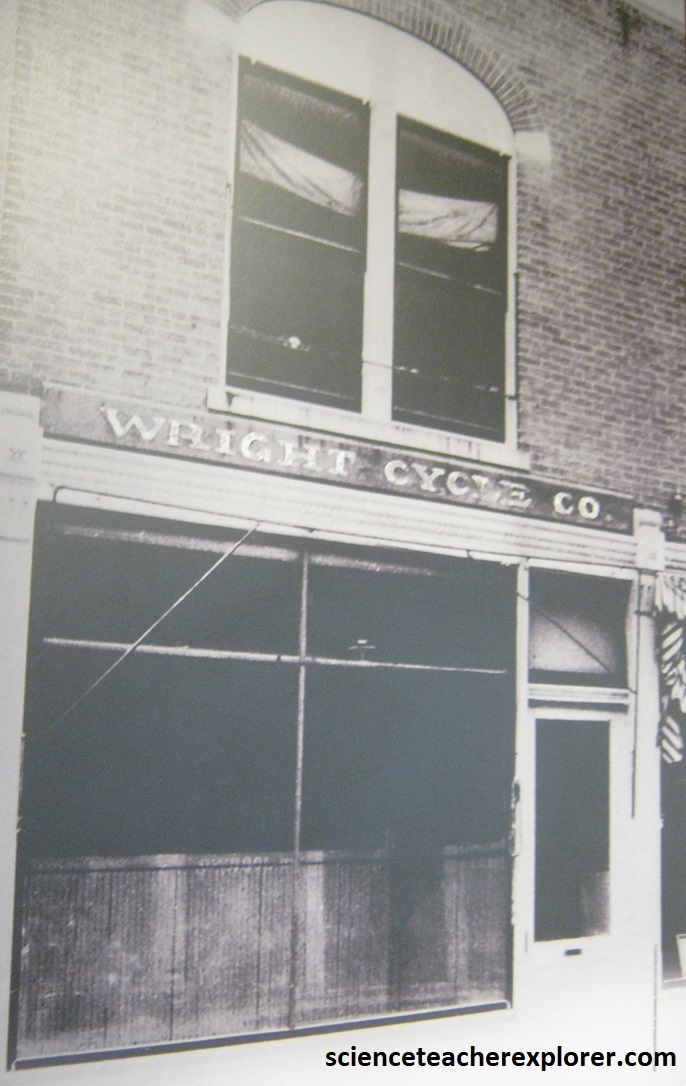
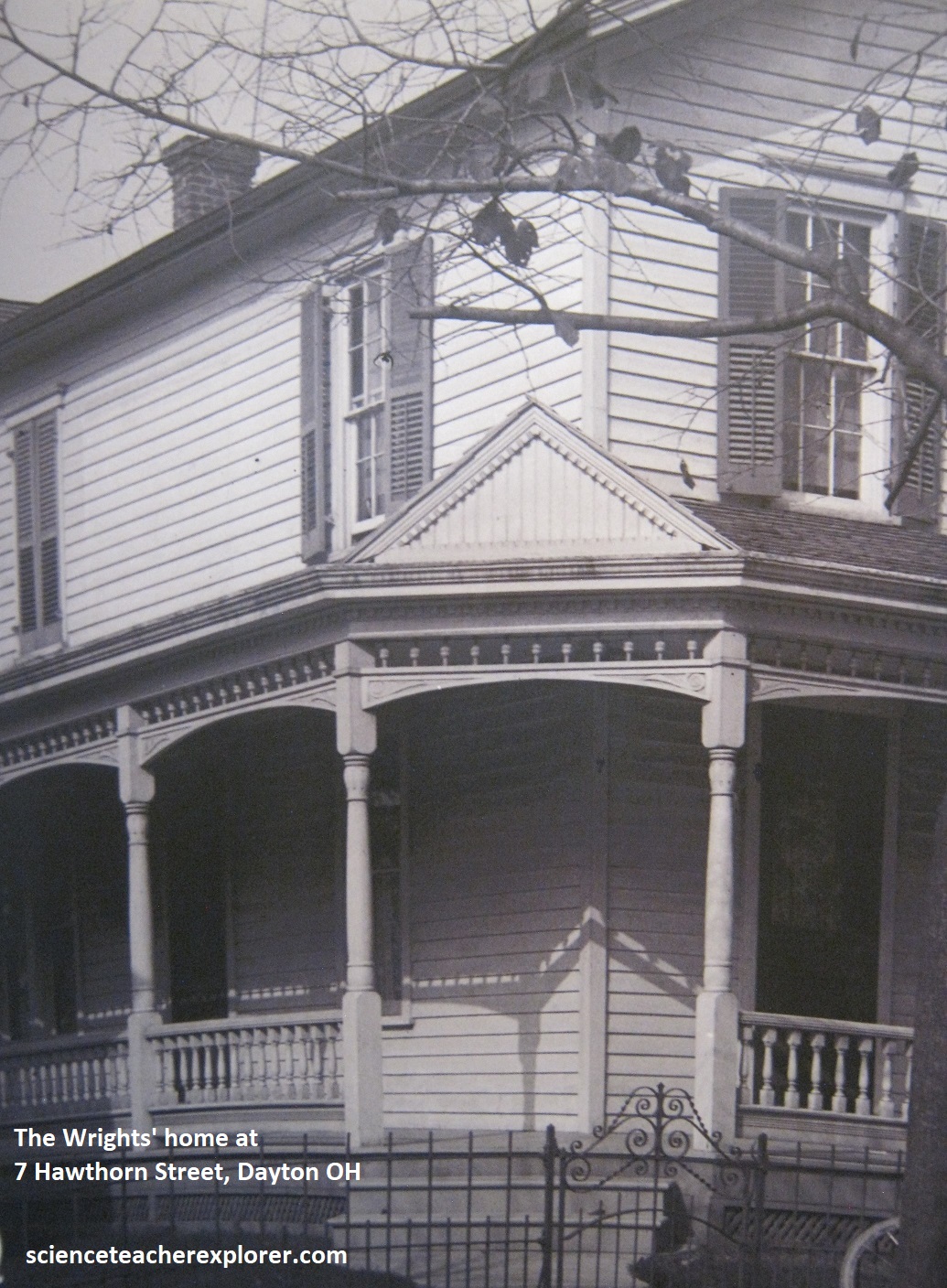
The Wright brothers, Wilbur and Orville, initially operated a bicycle shop called the “Wright Cycle Exchange” in Dayton, Ohio, from 1892 to 1908, where they sold, repaired, and even manufactured their own bicycles, before transitioning to airplane development. {The images below were taken from a public interpretive-sign on-site}.
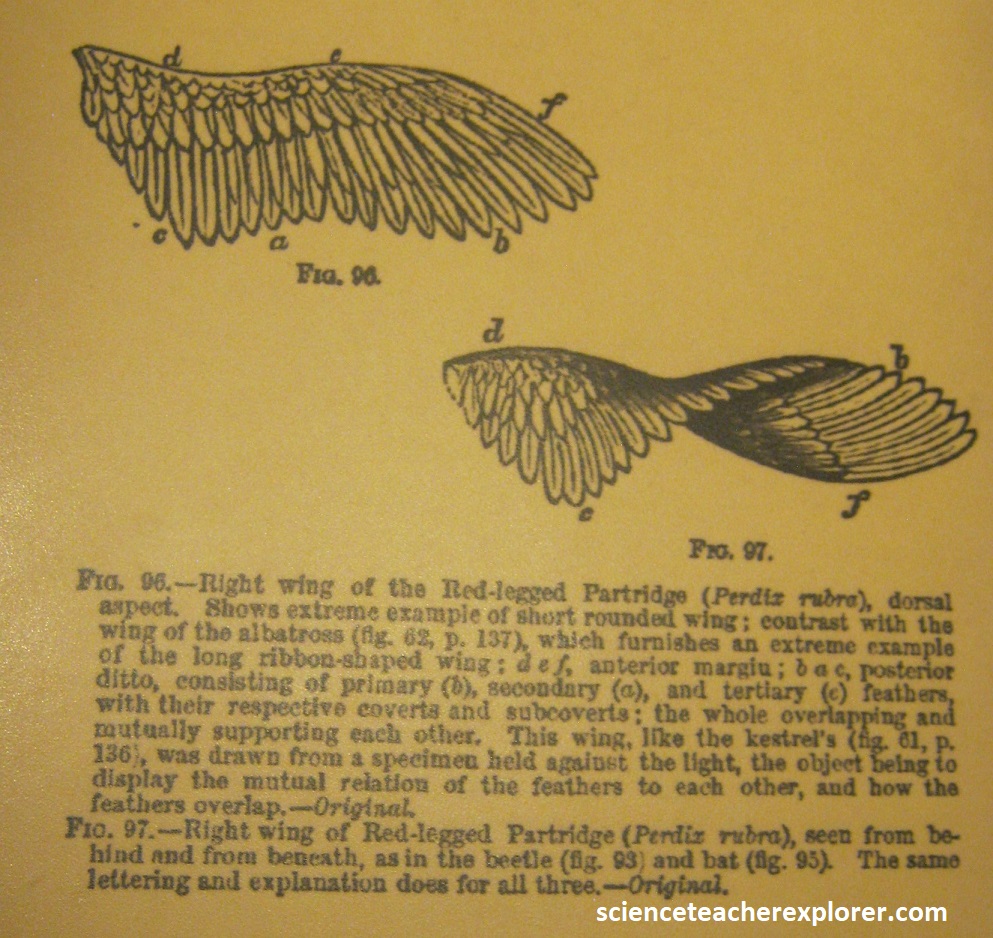
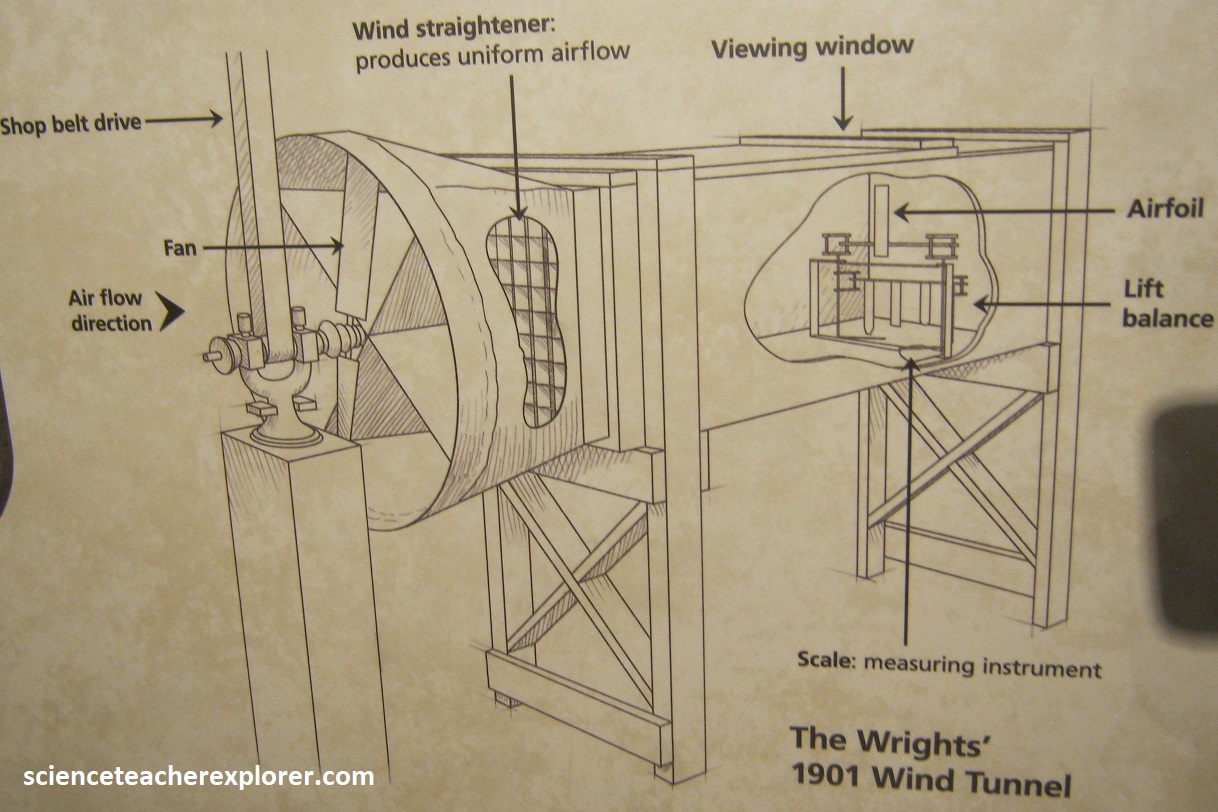
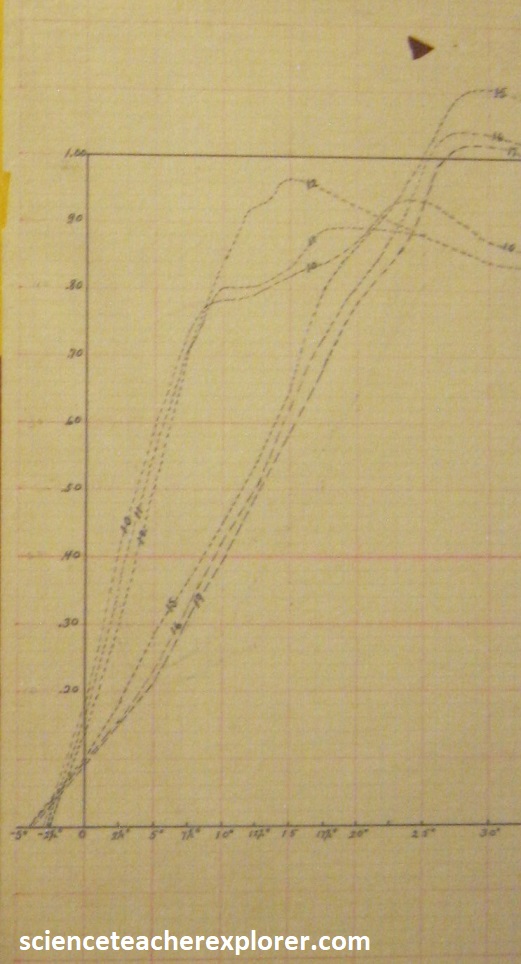
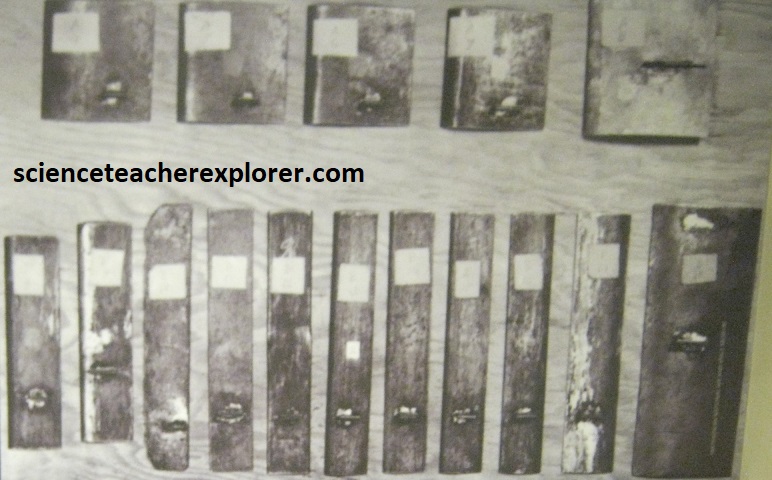
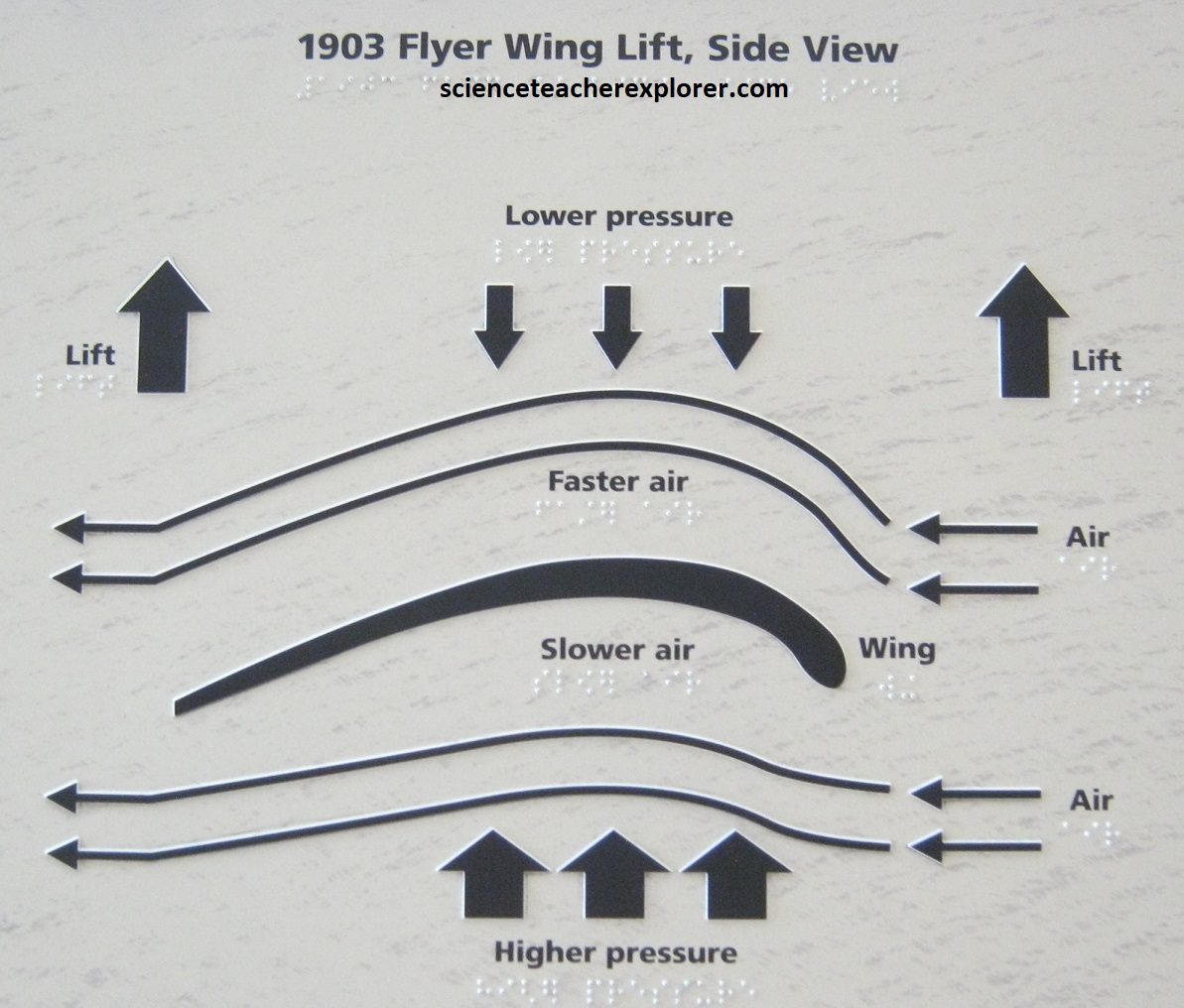
Pictured above, from their bicycle shop in downtown Dayton the brothers began researching, (they believe the answer to control may lie in the way birds fly by twisting their wings ever slightly to keep control in air currents), and experimenting with flight mechanics using their homemade wind-generator (pictured above) to calculate their own lift and drag for flight. [They create a 30 mph wind flow with a fan and measure the effects of lift and drag on the airfoils]. Using measurements from their experiments and tests, the brothers calculate a new average coefficient value of 0.0033. This is instrumental in their success. They now have the most accurate data in existence. After testing dozens of airfoils, (small wing shapes pictured above) in their wind tunnel, the brothers find that #12 has just the right curve and shape to make a glider stable and easy to control. They then build a kite-like glider, in 1899, for testing in the wind. {The images below were taken from a public interpretive-sign on-site}.
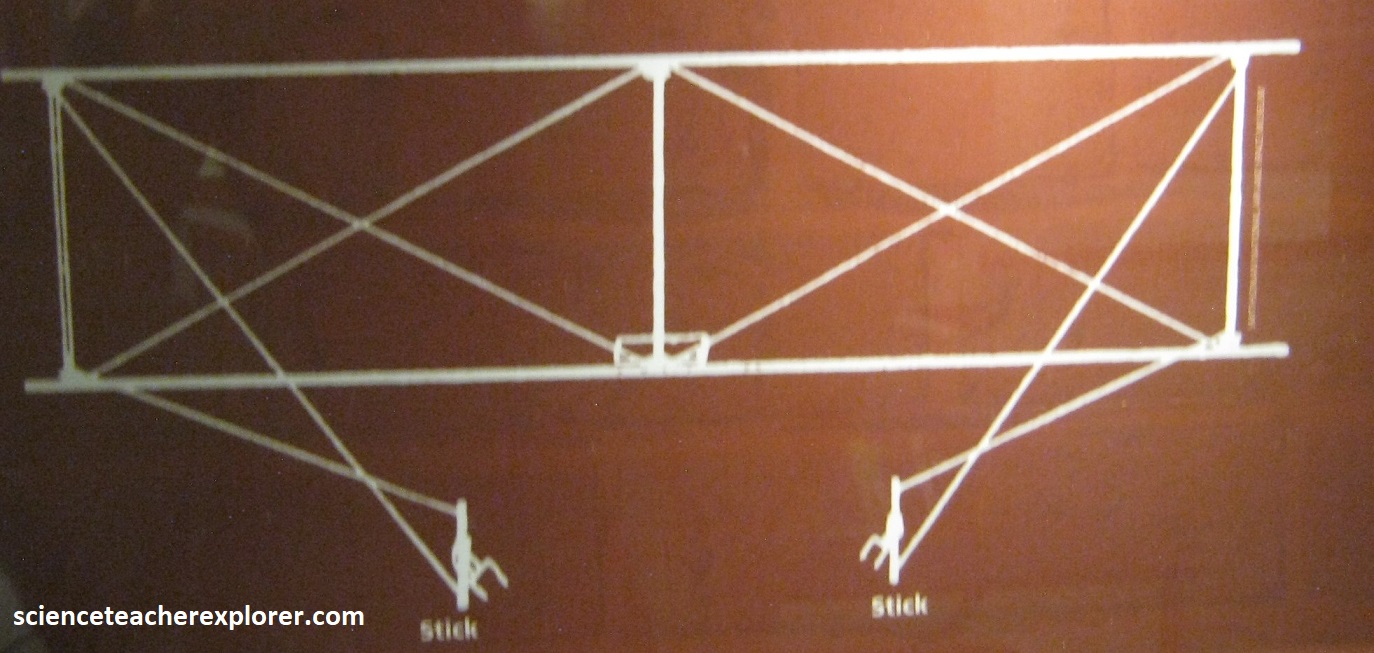
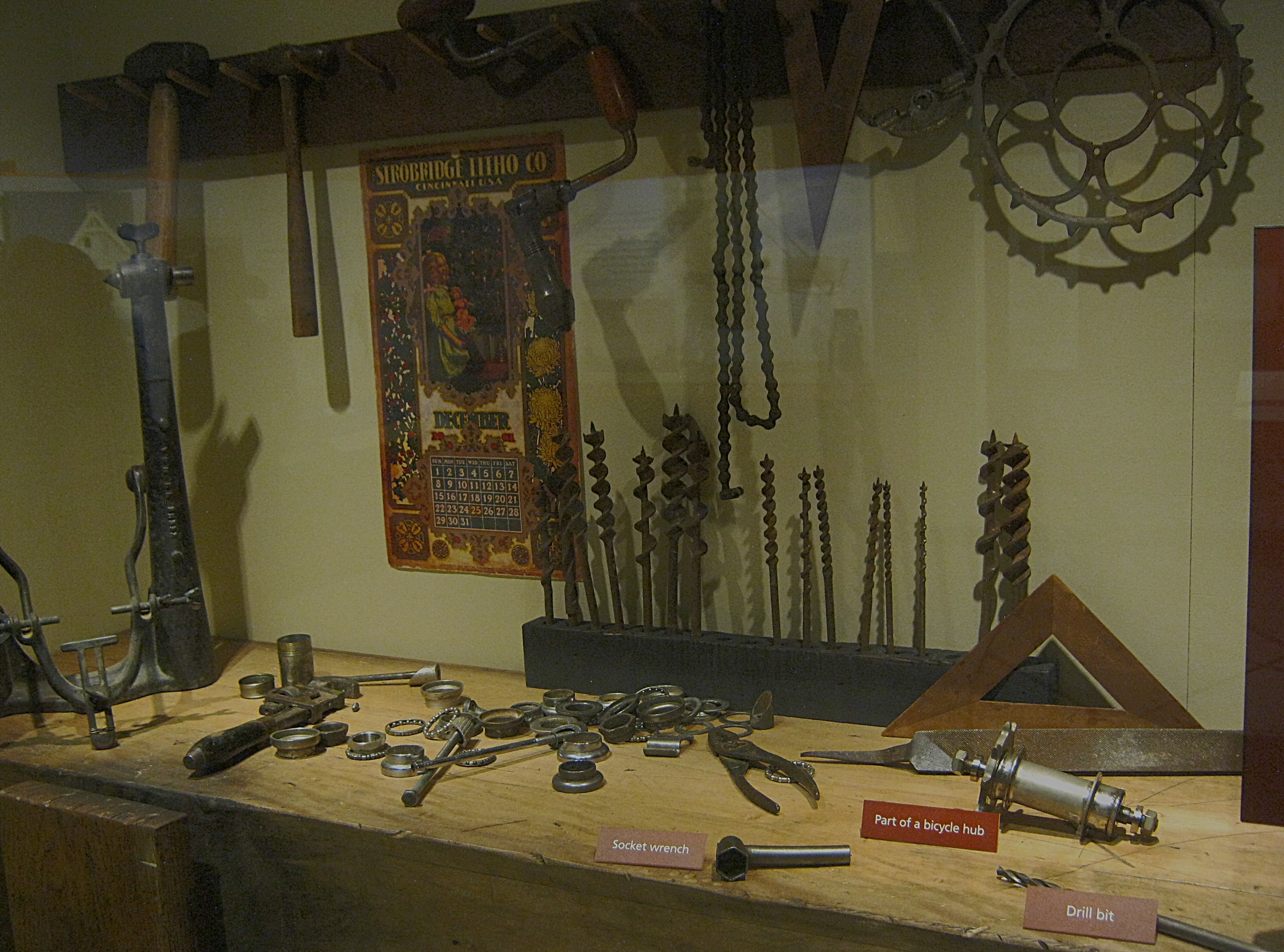
From their studies, Wilbur and Orville learn that they will need three things for a successful flying machine: (1) wings for lift, (2) an engine for power, (3) a control system to balance and steer. They tackle the hardest part first: control. They make a connection between flying and cycling: it’s about turning. To stay in control while turning a bicycle, you have to lean your body to stay balanced. The brothers think they can apply this same concept to help control a flying machine. It was in 1899, when Wilbur is idly twisting a bicycle inner tube box when he sees the answer: a biplane with flexible wings could raise one wing and lower the other, (twisting and balancing in the air like a bird). They immediately made a prototype model kite in their shop. Wilbur flies the kite in a nearby field, and it works, (it balances, twists, and turns with ease). They call this mechanical twisting “wing-warping”. Their success will spark years of experiments with kites and gliders. AS their design progressed, the brothers wrote the U.S. Weather Bureau for help finding the best place to build and test their invention. The wind-blown village of Kitty Hawk was selected for having steady winds, soft sands, wide-open terrain, and a sparse population (to deter onlookers). Below are hand written letters of Wilbur asking permission to move his experiments to Kitty Hawk. The Wright brothers began testing kits and gliders from the top of the dunes, refining their approach with each attempt. {The images below were taken from a public interpretive-sign on-site}.
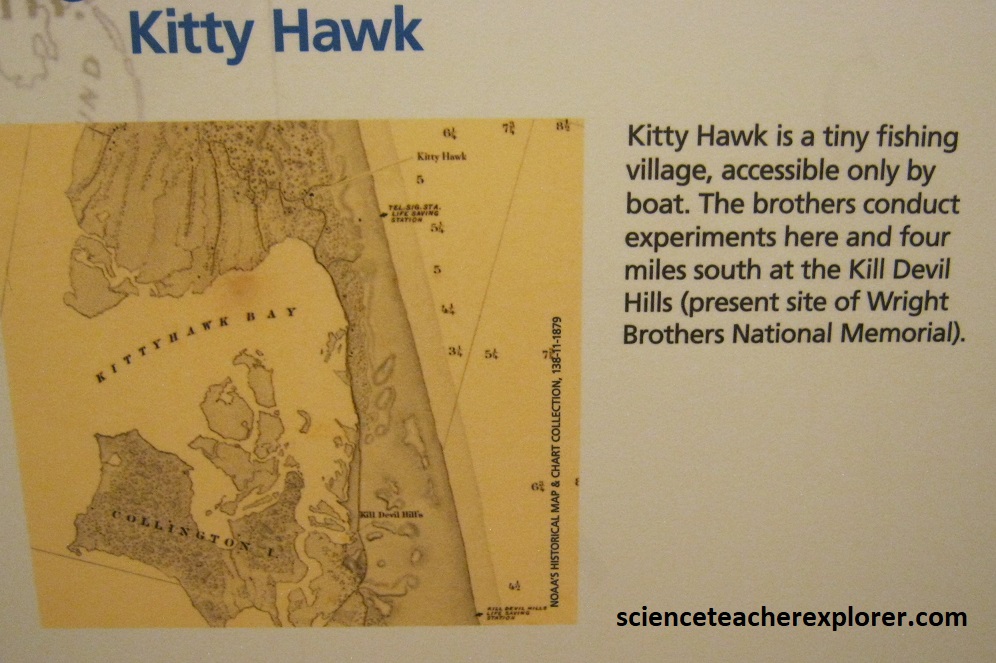
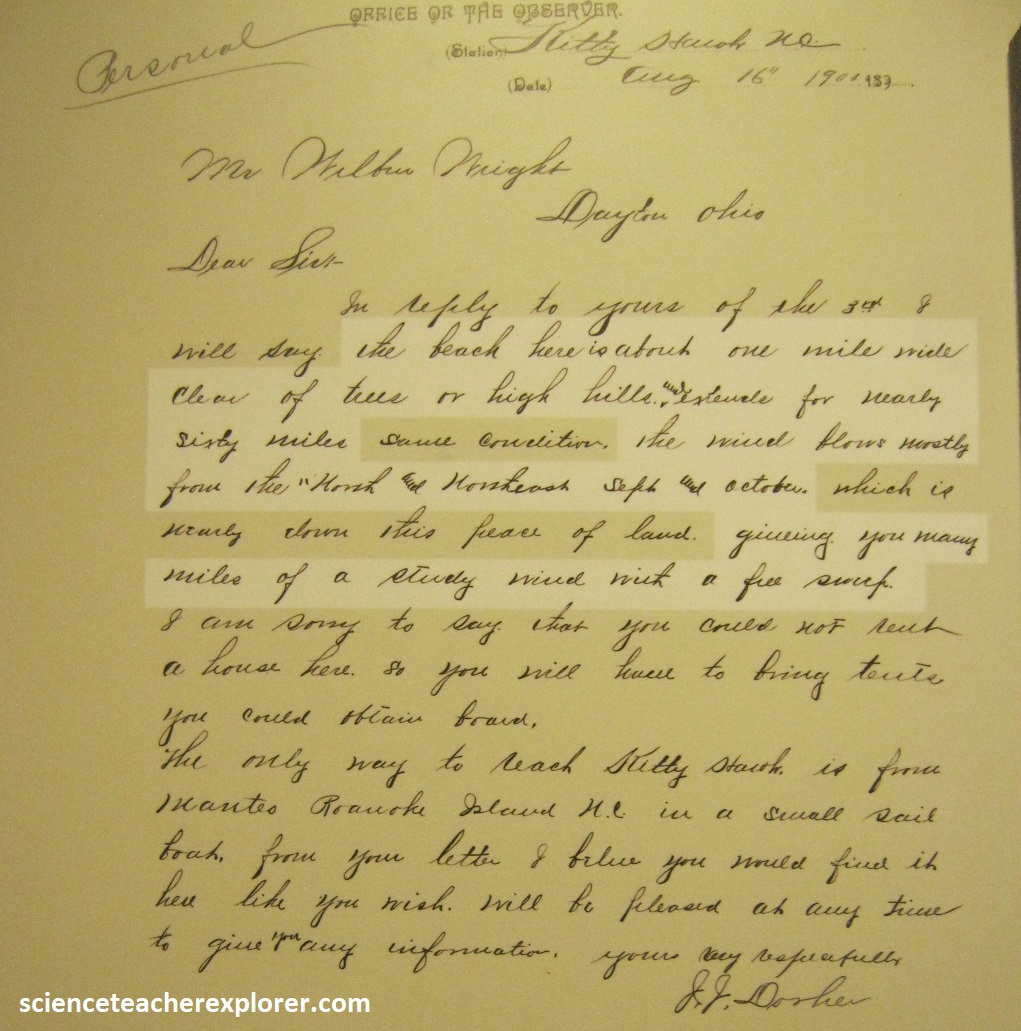
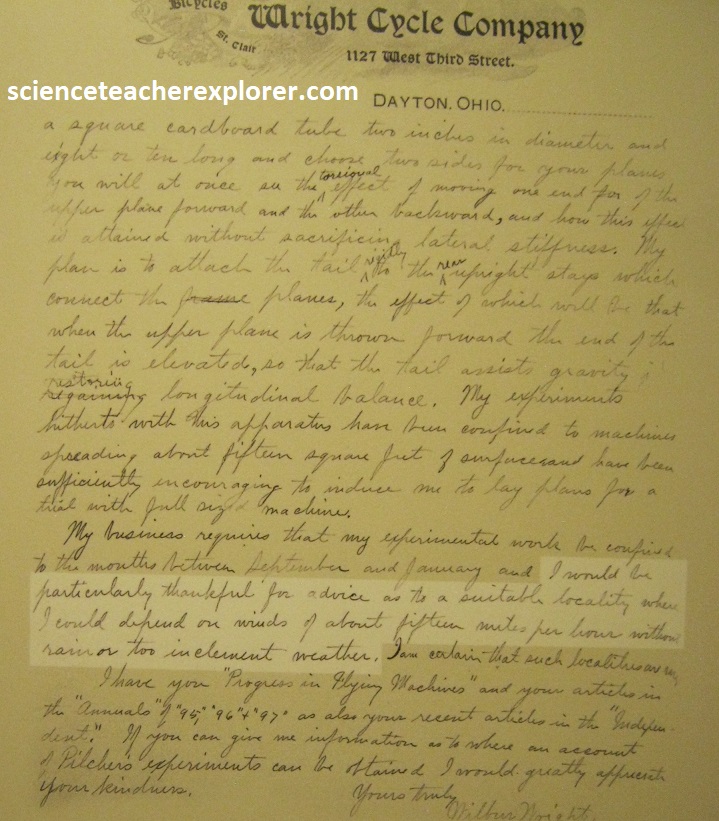
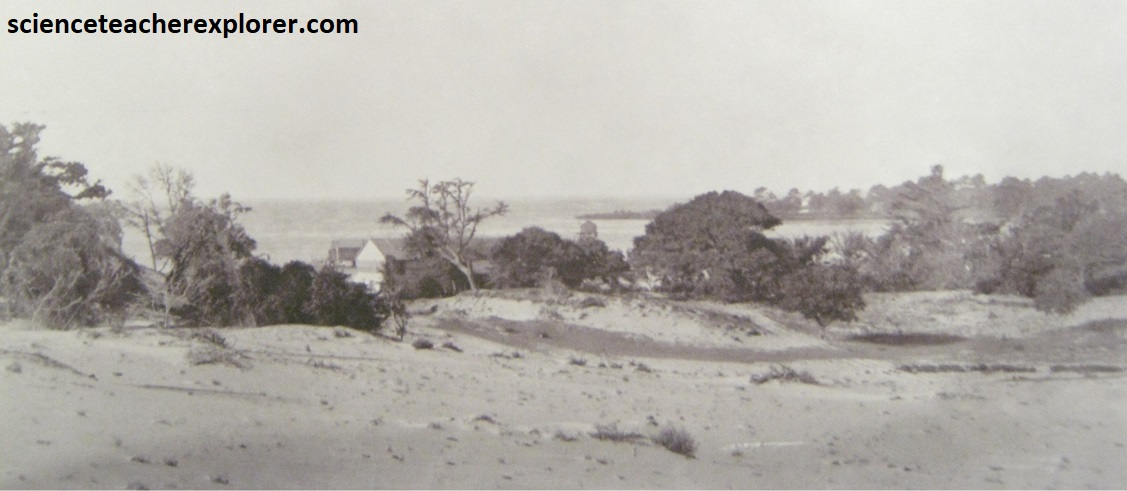
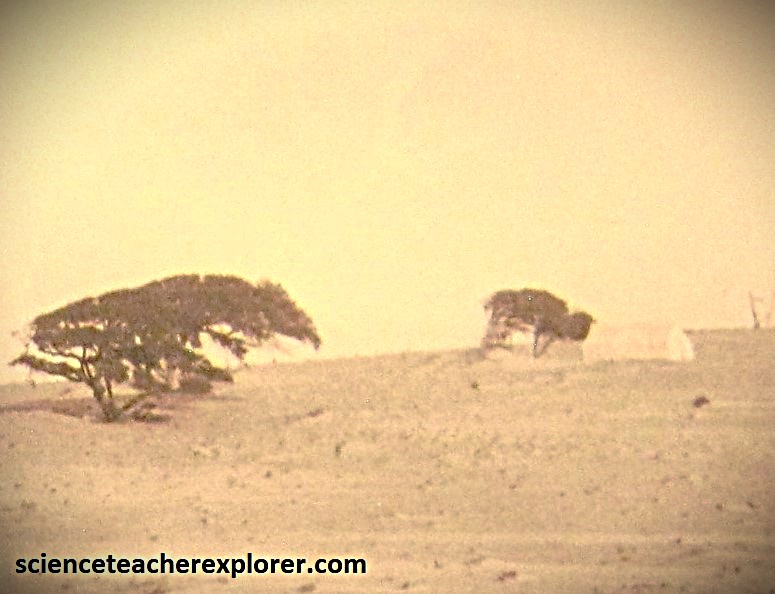
Encouraged by their success with the 1899 Kite, Wilbur and Orville take the next step: testing their theories with gliders. In September 1900, after their busy season at the cycle shop in Dayton is over, they come to Kitty Hawk, North Carolina, (pictured above).
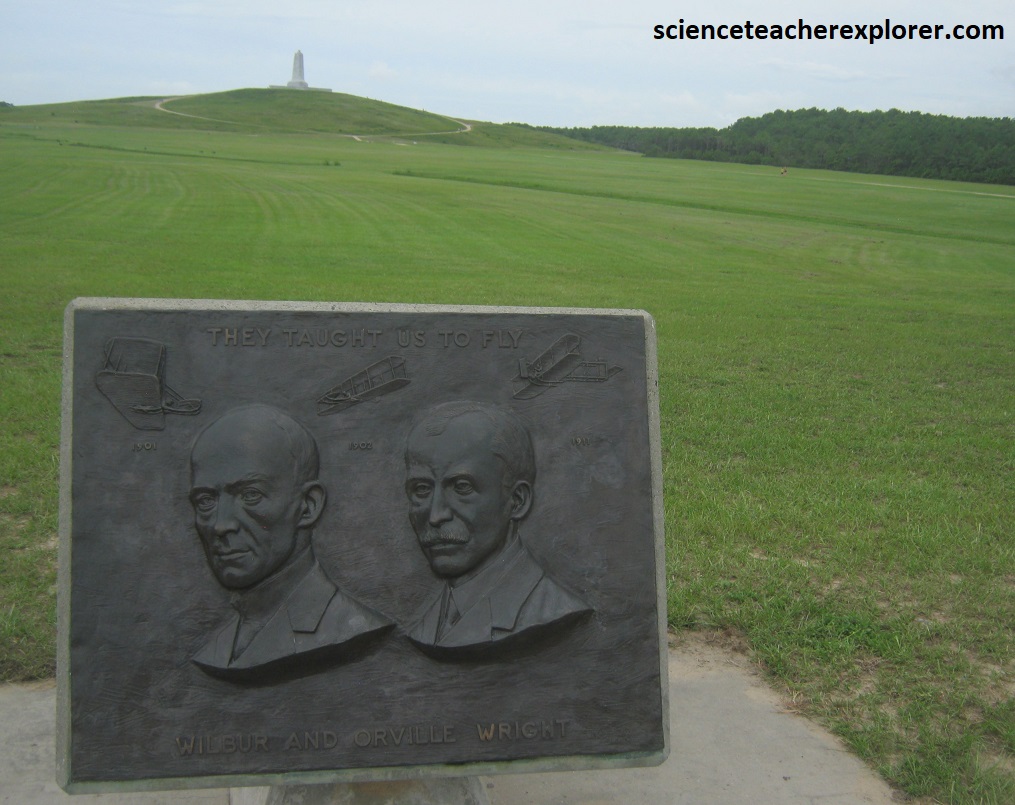
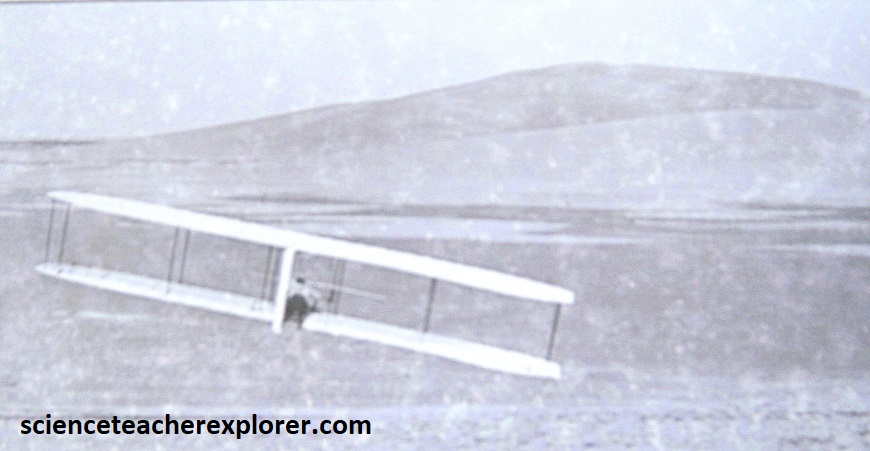
When the Wright brothers were at Kitty Hawk, Big Kill Devil Hill, (the hill pictured above), was a massive sand dune. Thousands of times, the brothers trekked up this and three nearby dunes to conduct glider experiments. Climbing the hill at that time was strenuous. Deep, soft sand caused every step up the slope to slip part-way back down. The Wrights were also burdened with carrying their heavy gliders up the hell for each flight. Their tireless efforts paid off as they mastered their flying skills and refined their flight controls. [Note that the historical-image above was taken from a public interpretive-sign on-site}.
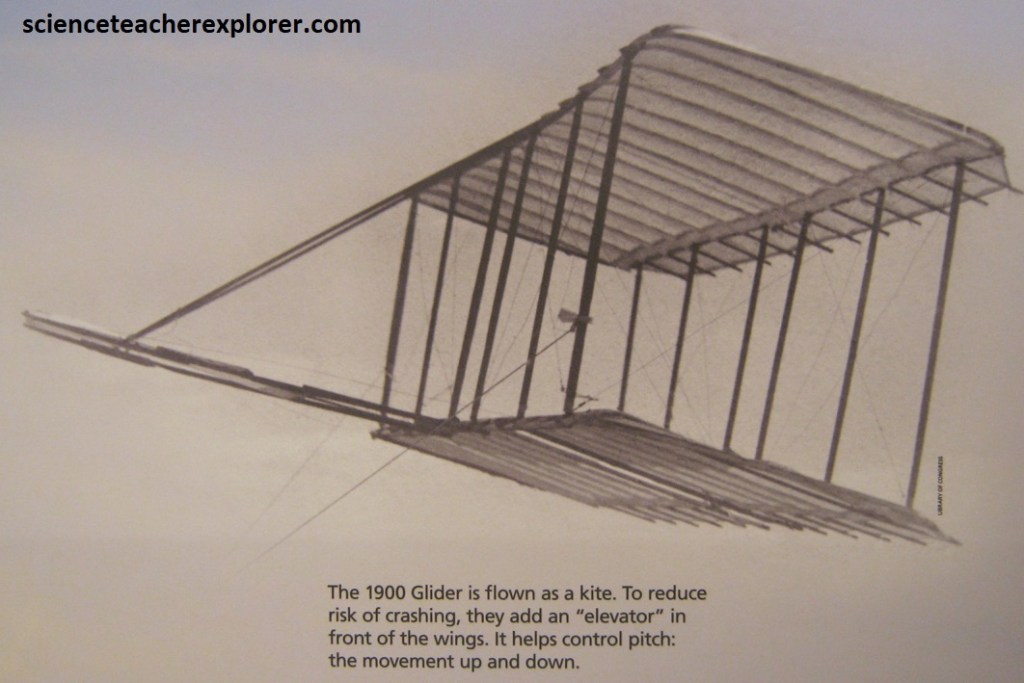
Pictured above, the brothers build the 1900 Glider using Otto Lilienthal’s data and equations. They discover there was not enough lift generated by the glider’s wings to support the weight of a pilot. Instead of giving up, Wilbur and Orville fly the glider as a kite and continue to collect data. Note that Wilbur and Orville cut, sewed, and shaped the wings of the gliders and the 1903 flyer. The brothers covered on the top of their glider wings with fabric. With the 1903 Flyer, they covered both the top and bottom surfaces of the wings. The fabric they uses was a lightweight and durable muslin, (typically used for women’s and children’s undergarments).
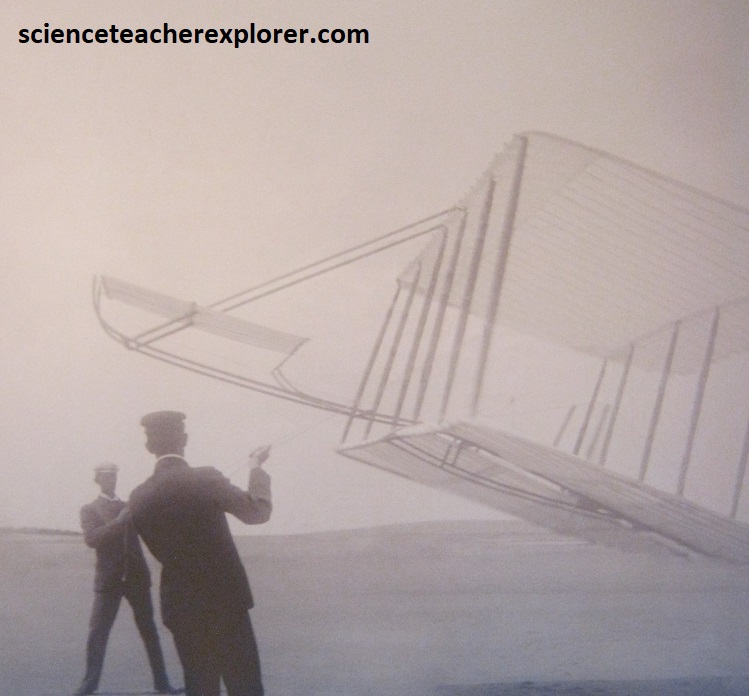
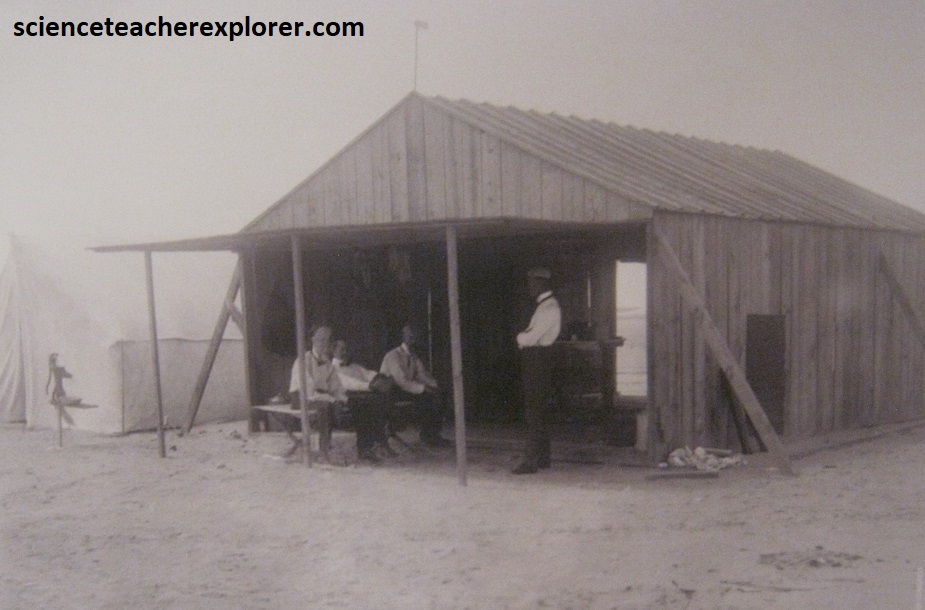
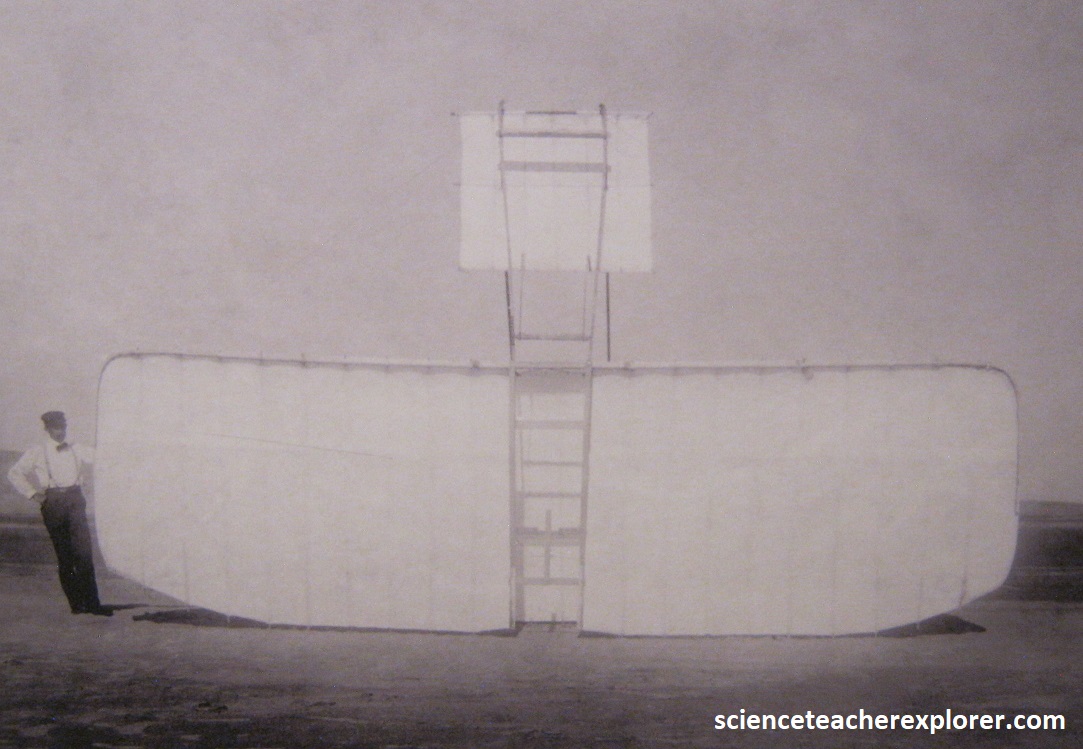
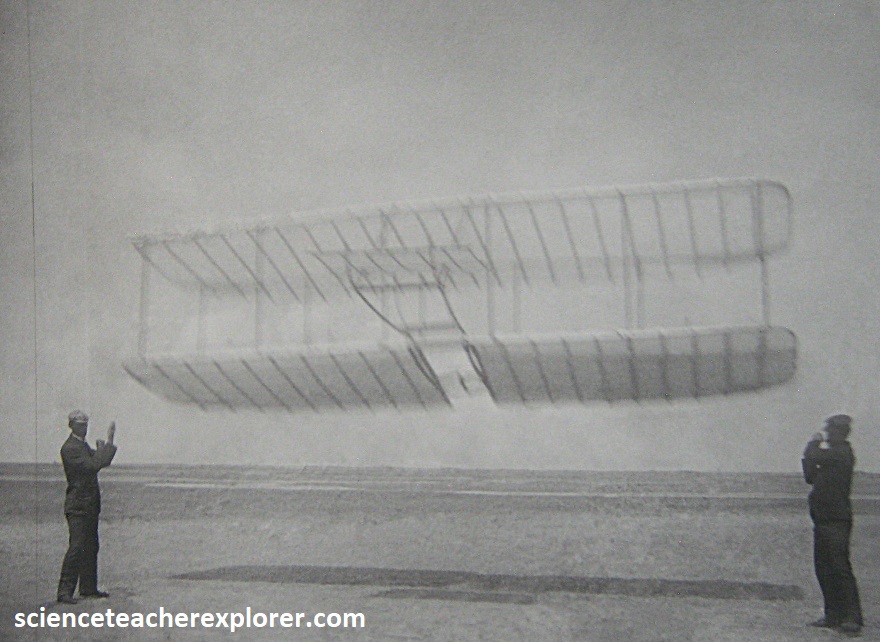
Wilbur and Orville return to Kitty Hawk in the summer of 1901, (pictured above). {Note that the images above were taken from a public interpretive-sign on-site}. Their experiments don’t go well. The glider, still based on Lilienthal’s data, is bigger than last year’s but not better, (serious problems with lift again). While they make their lonest glides yet, they face problems with the control system. Wing-warping often causes the glider to spin into the ground. {The images below were taken from a public interpretive-sign on-site}.
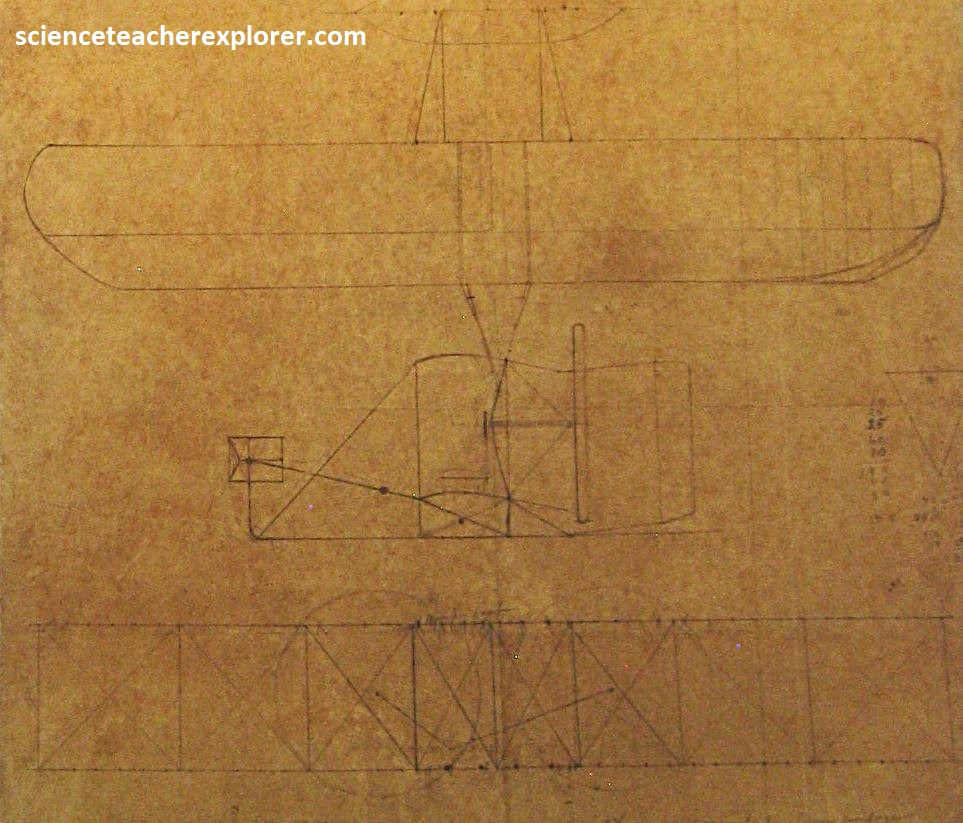
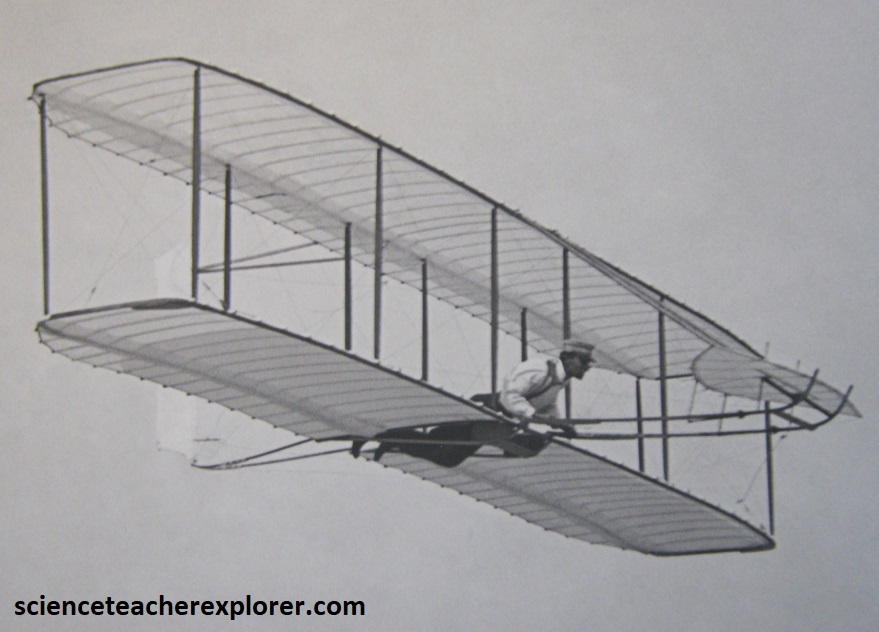
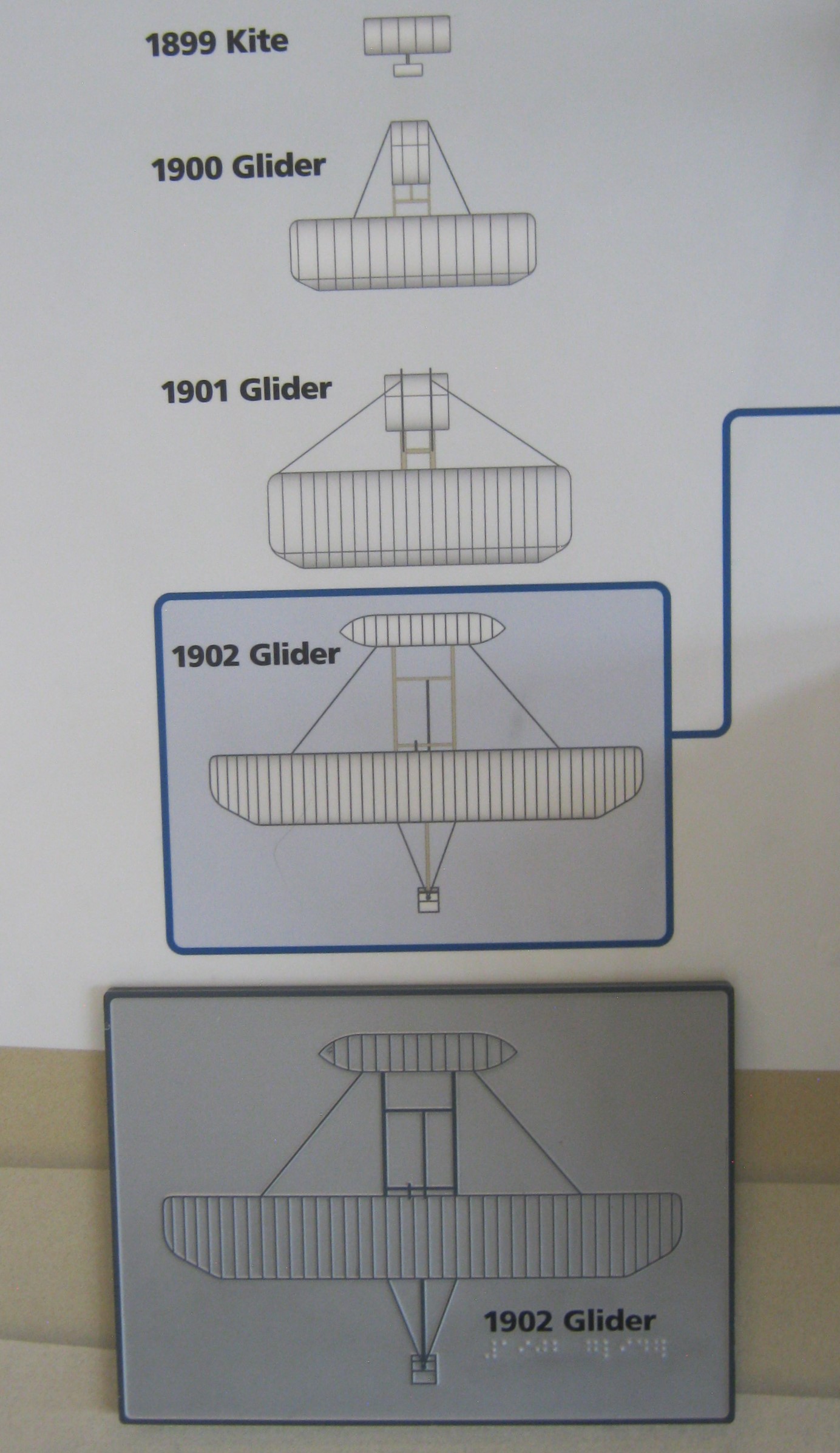
Wilbur and Orville use cutting edge data from their wind tunnel tests to design the 1902 Glider, (pictured above). Once they add a movable rudder to complete the control system, they’ve solved the problems of controlled flight: roll (banking), pitch (moving the nose up or down) and yaw (moving the nose left or right). Note the above photo of Wilbur piloting in the 1902 Glider control system, (with simultaneous use of wing-warping and a movable rear rudder, and a movable elevator in the front).
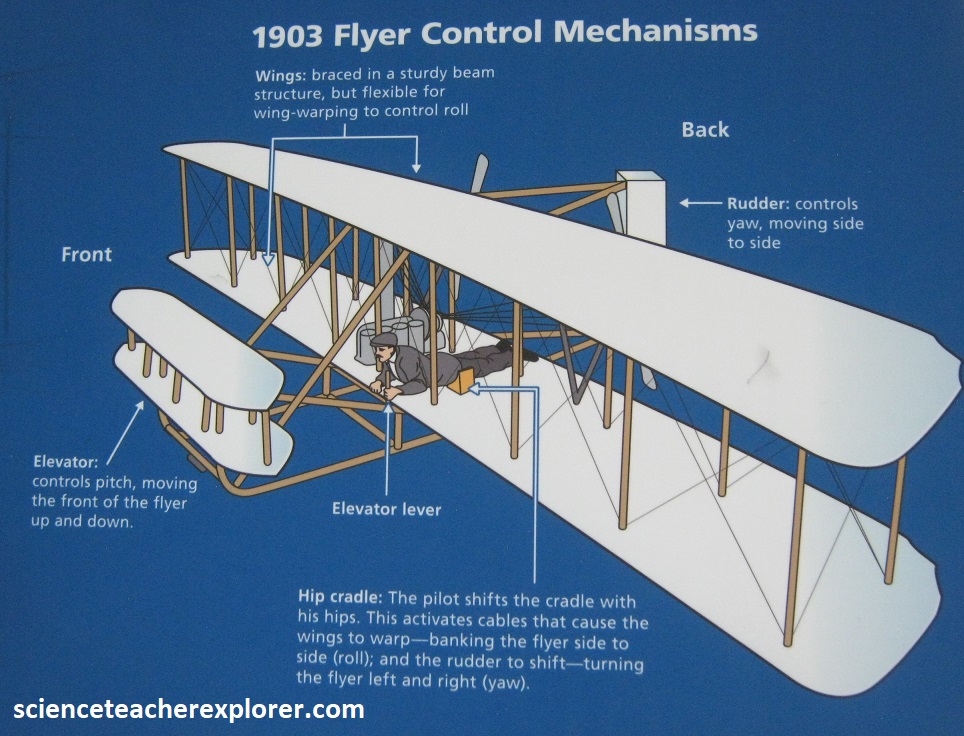
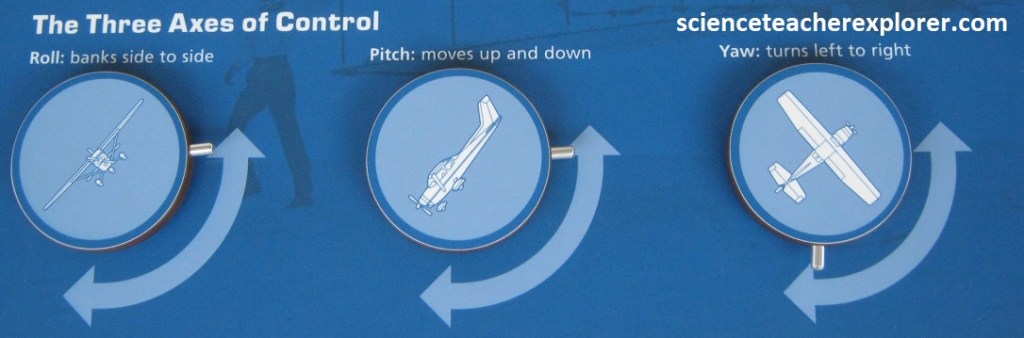
Wilbur and Orville Wright were now prepared to tackle powered flight. {The images below were taken from a public interpretive-sign on-site}.
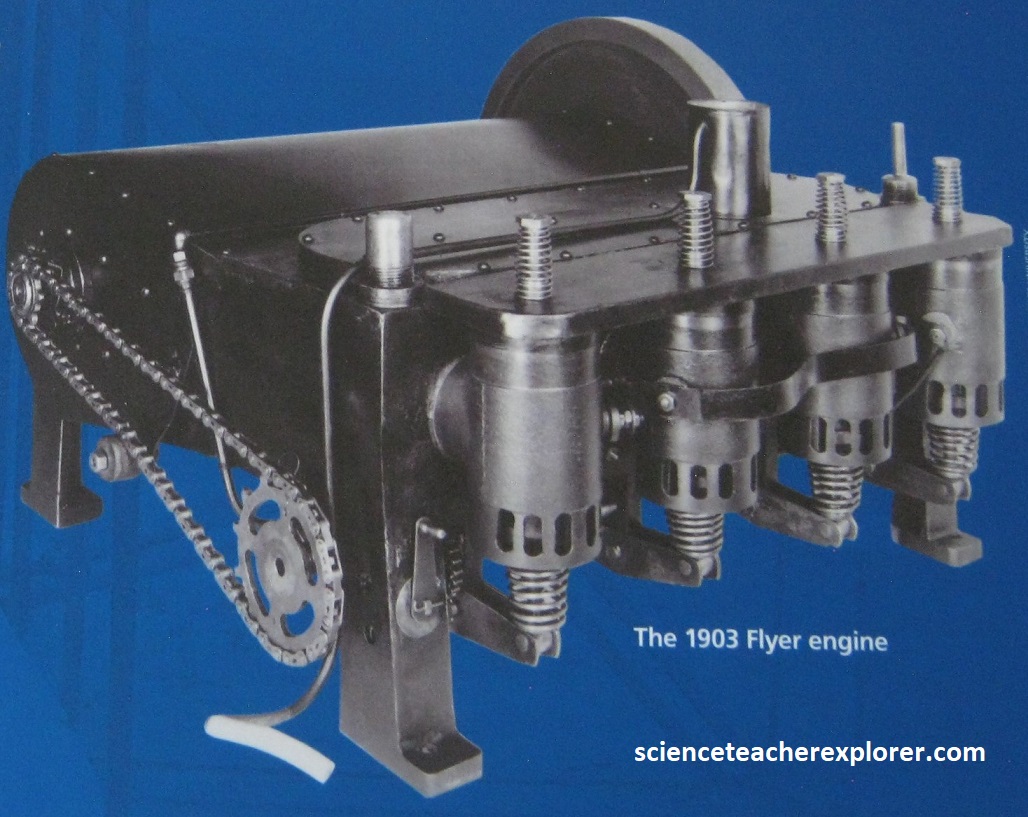
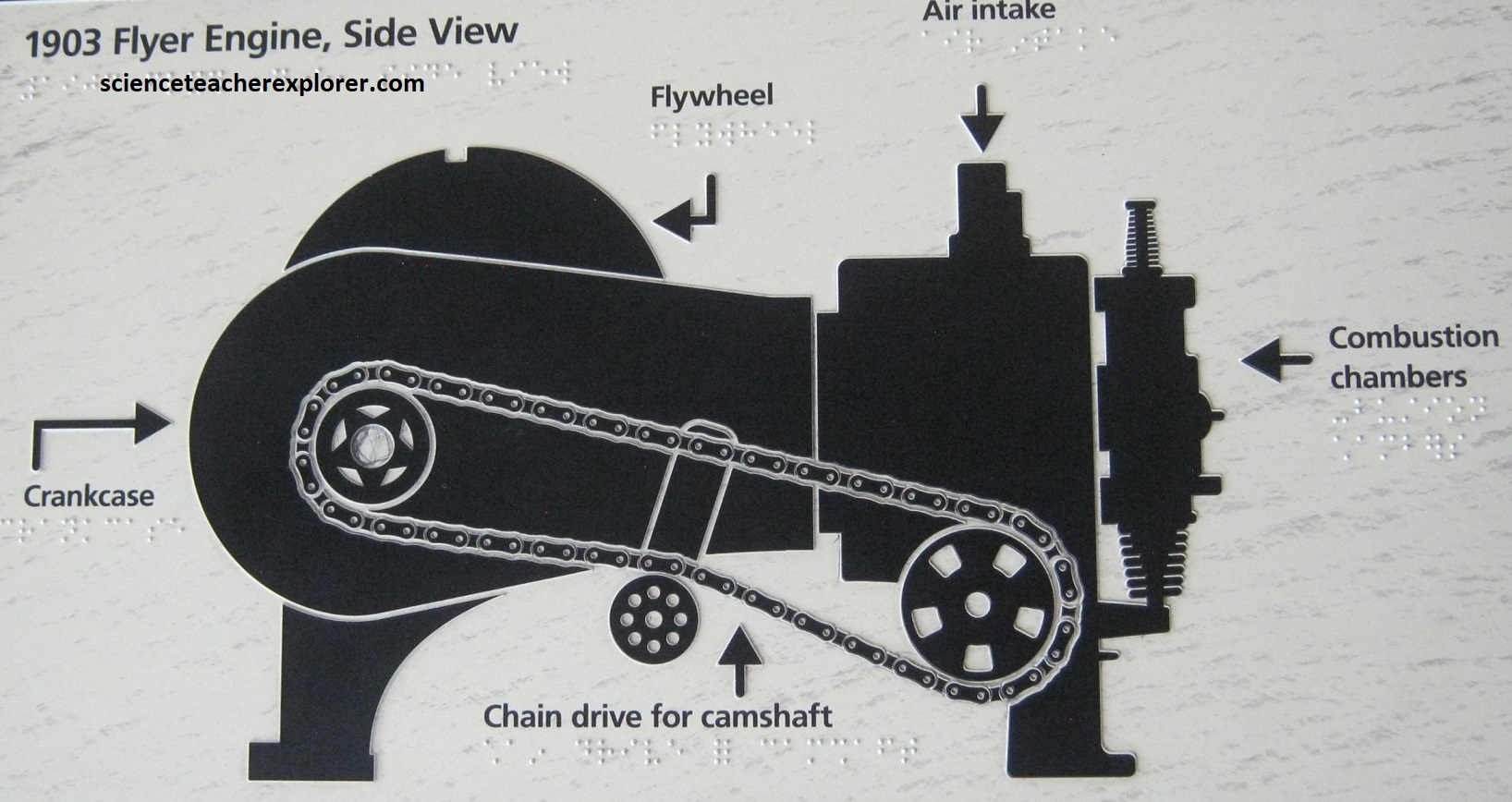
Pictured above, the Wright brothers engine they used was to produce the power for moving the propellers and giving the flying machine thrust. In calculating the performance of the propellers, the brothers knew their engine had the power to get them into the air. Lightweight, their engine is unlike any ever built. It had 4 cylinders, 12 horsepower at 1200 rpms (350 rpm propeller speed), 170 lbs. weight, and a 201 cubic inches of piston displacement. [Note: the flyer’s engine broke into pieces after the brothers’ 4th flight in 1903, the crankcase survived and was cast out of aluminum alloy]. {The images below were taken from a public interpretive-sign on-site}.
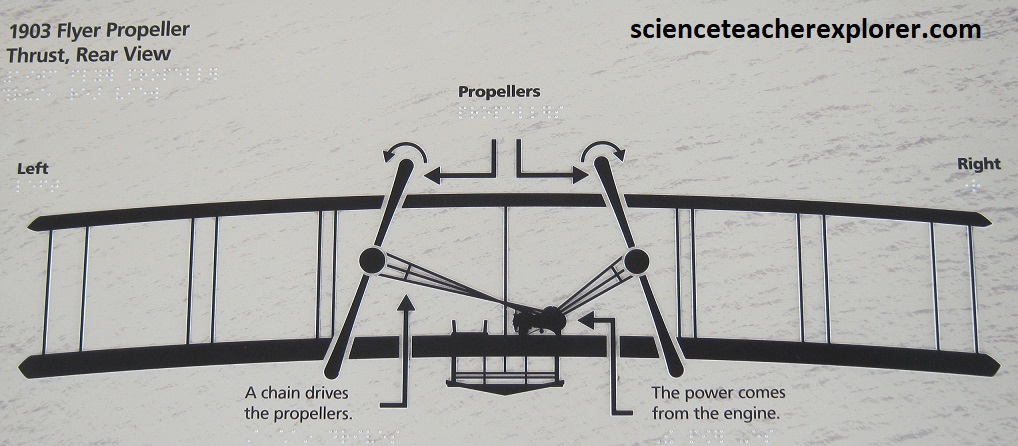
With the 1902 Glider, the brothers knew they had finally solved a way to control the flying machine in the air. In March 1903 they apply for a patent to gain the legal right to keep others from making, using, or selling their system of control. It’s granted on May 22nd, 1906. They also apply for and receive patents from several European nations. Note that the brothers learned that two propellers rotating slowly worked better than one rotating fast. The propellers needed to be designed to give the 1903 Flyer a horizontal thrust. The propellers were just wings that spun in a circle. The tip of the propellers was slightly widened to work best at a low air speed. Since there were two of them, they had to turn in opposite directions to counteract the “Conservation of Angular Momentum” of the spinning blades with each other. (One propeller spinning would cause a torque to the aircraft and make it turn in the opposite direction).
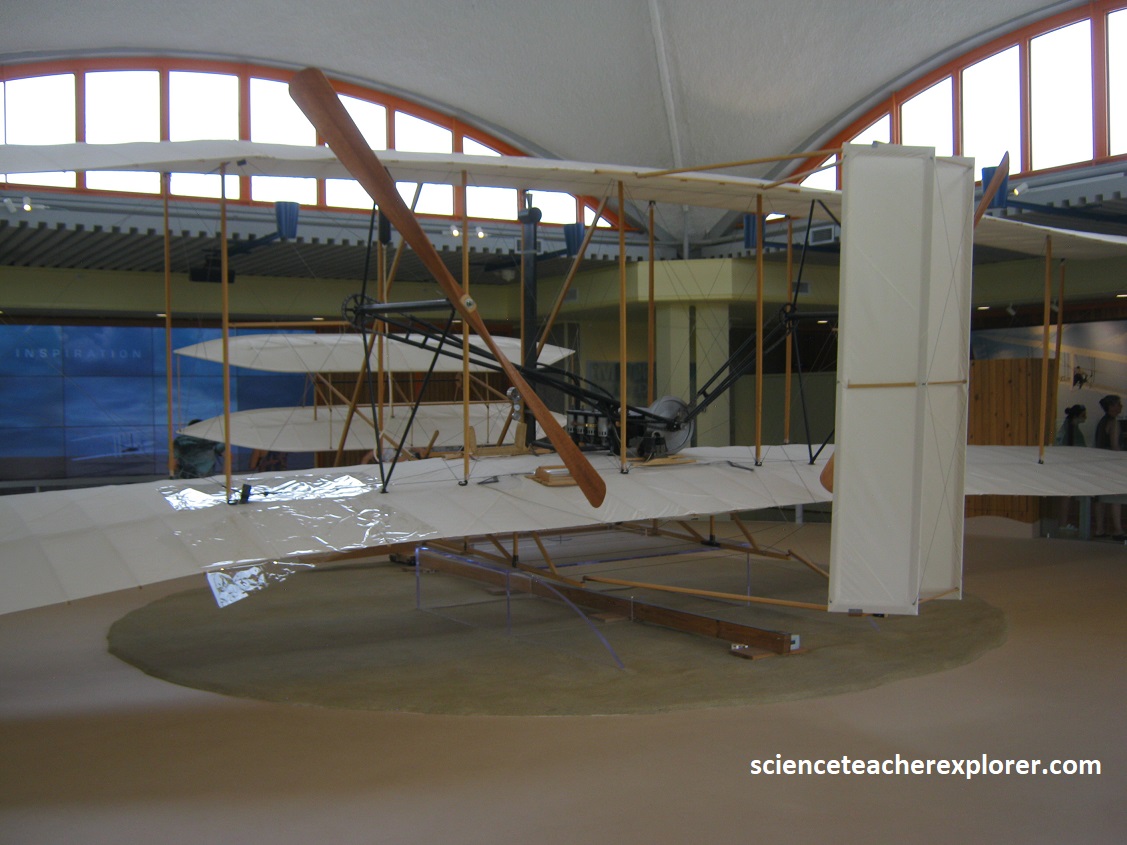
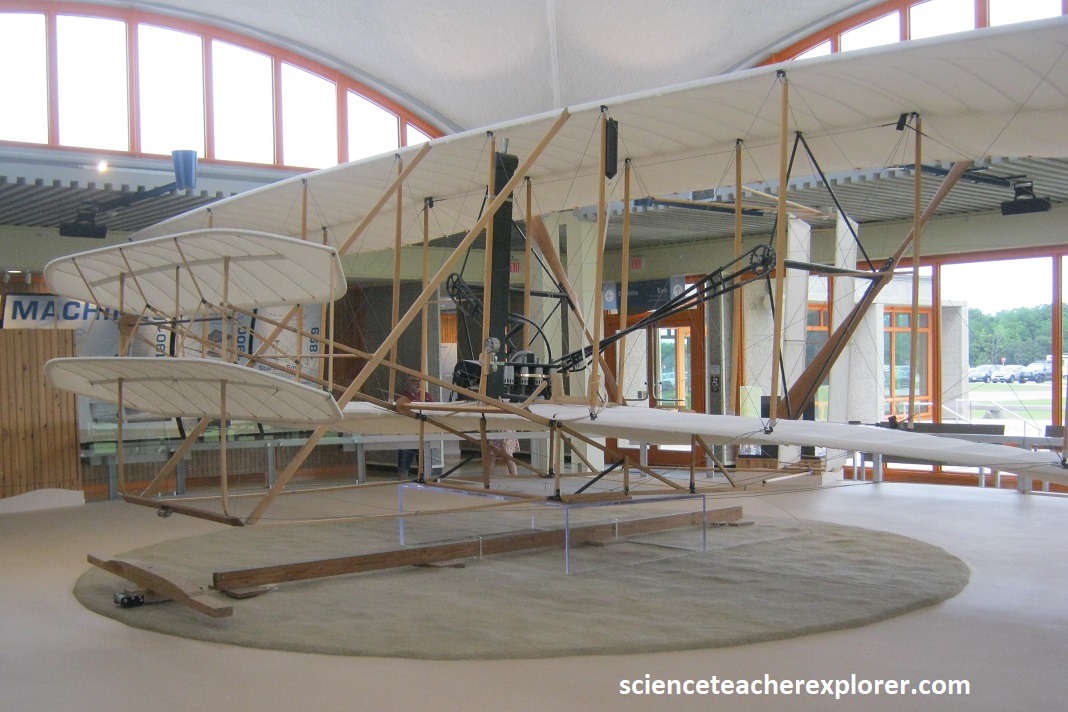
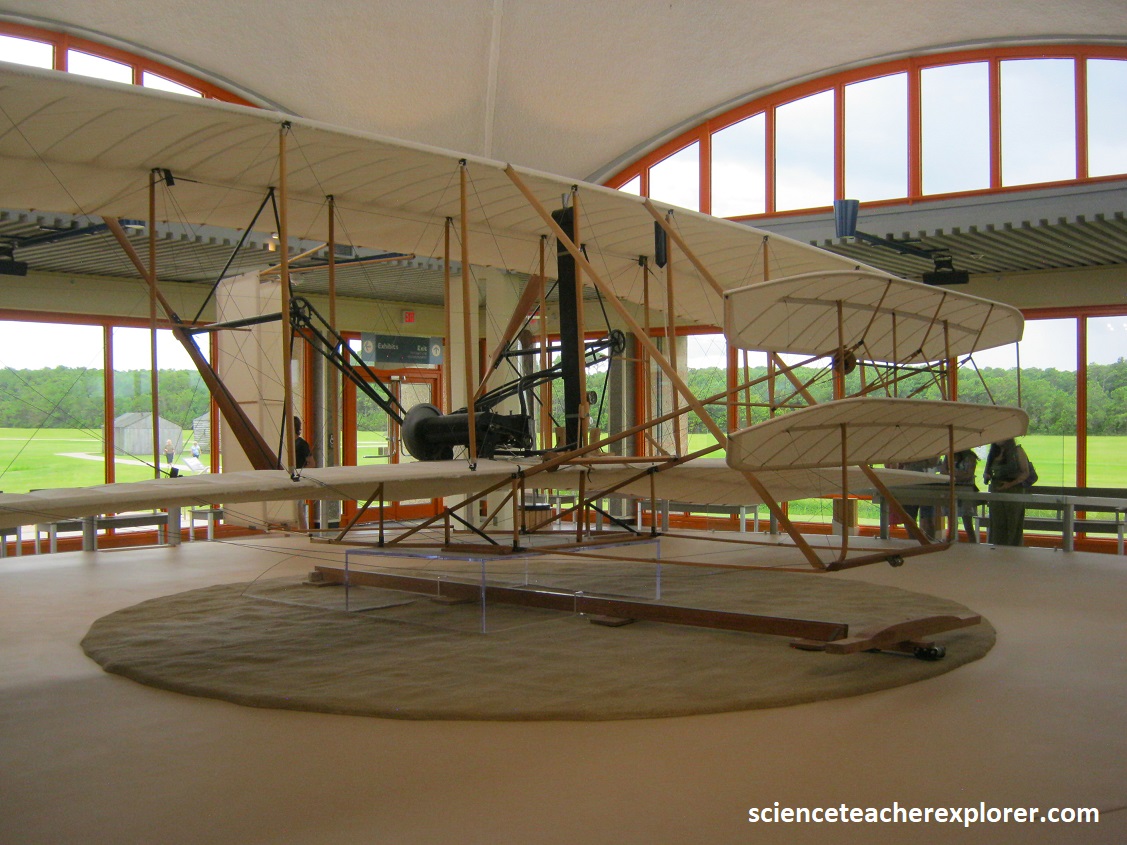
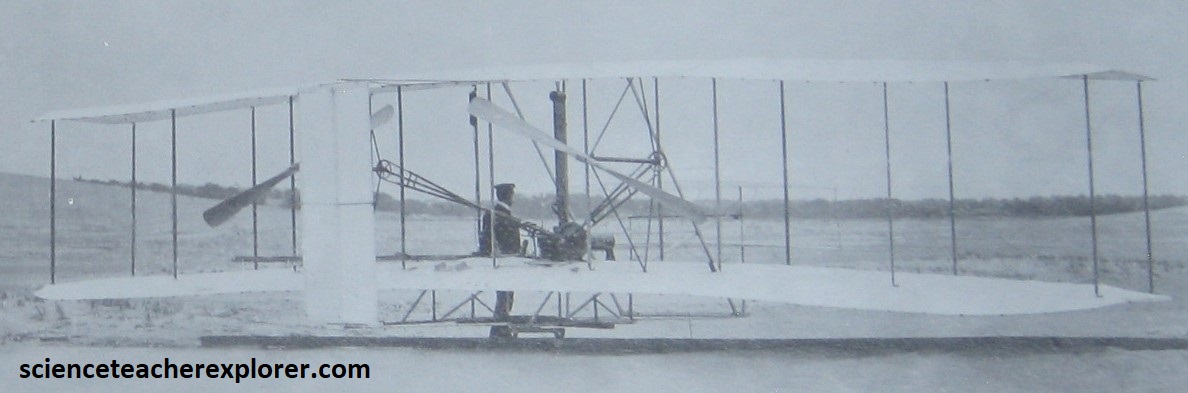
Pictured above is a full-sized, accurate reproduction of the 1903 Flyer that took powered flight from fantasy to reality. The original 1903 Flyer is on display at the National Air And Space Museum in Washington, DC. The weight of the 1903 Flyer is 605 lbs. (275kg) with a wingspan of 40 feet & 4 inches (3.4m) that covered 510 square feet.
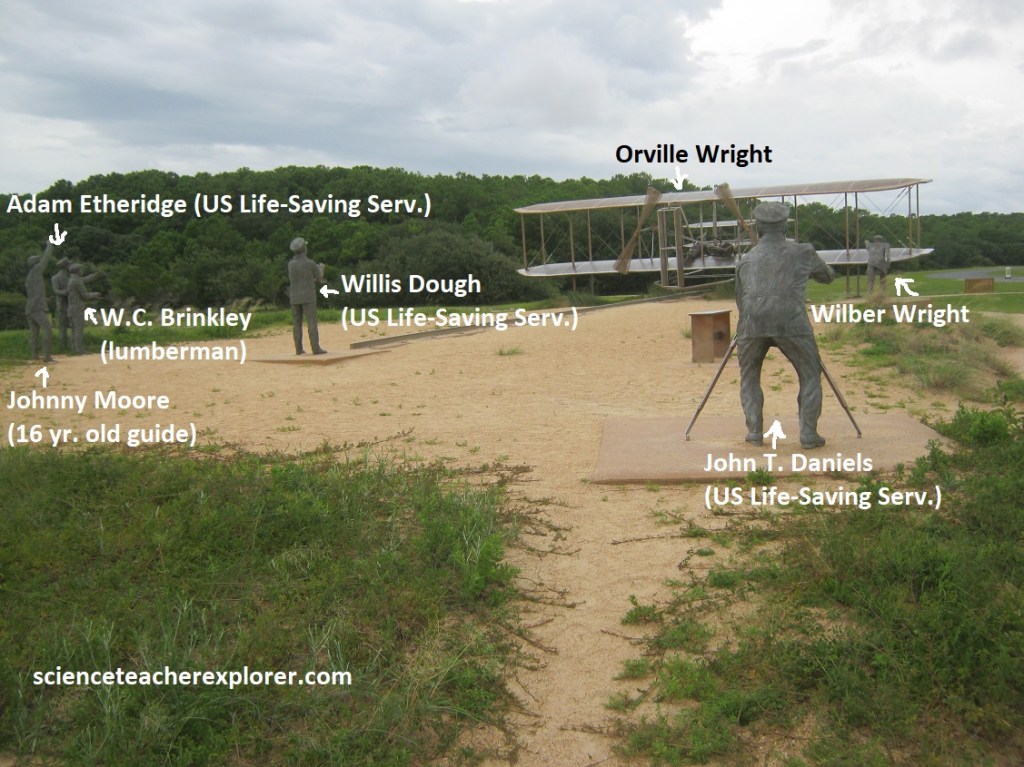
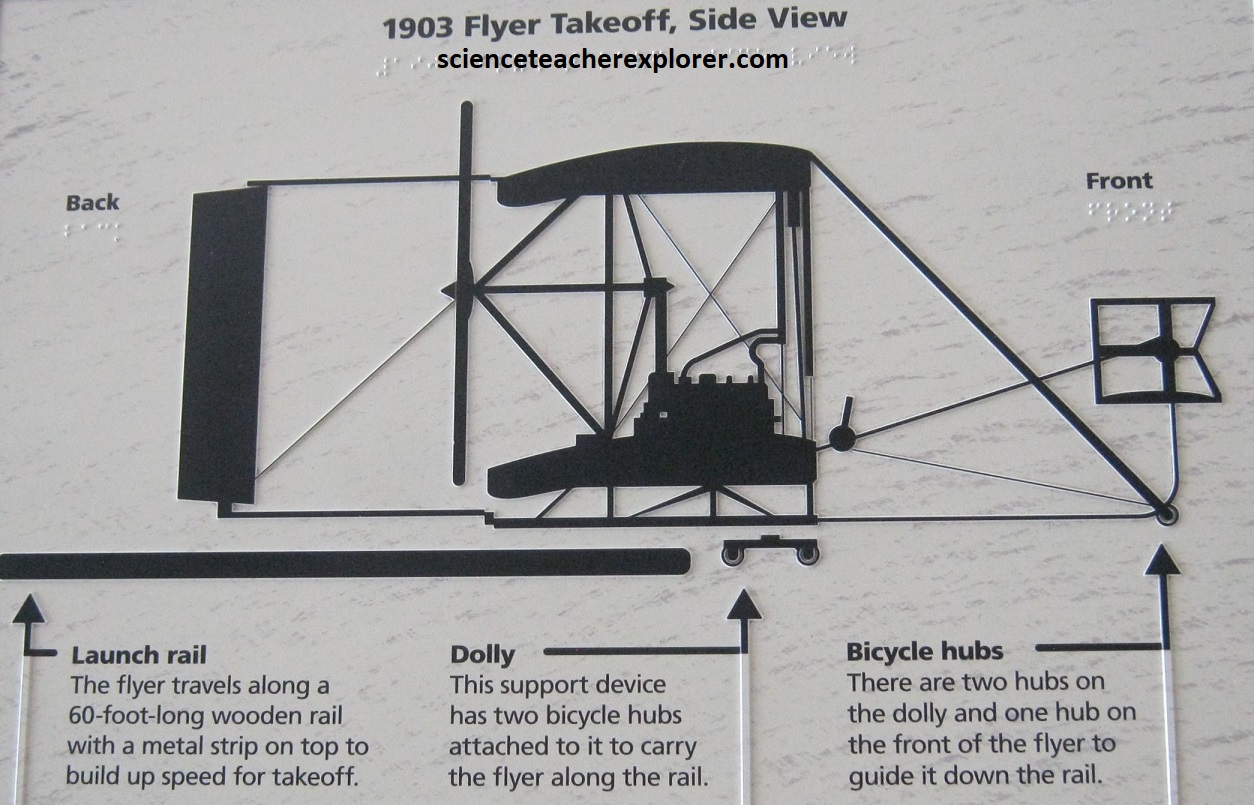
After 4 years of scientific research and rigorous experimentation, and with their 1903 Flyer on the rail, the Wrights were set to fly. In unison, they each pulled down on a propeller. The engine roared to life and the propellers whipped through the air with only a restraining wire to keep the flyer in place. Orville climbed onto the machine and positioned himself into the hip-cradle. He released the restraining wire and the machine slowly moved forward. Wilbur ran alongside to steady the machine. After traveling 40 ft. (13.3m) down the rail, the flyer lifted into the air, ushering in the “Age of Flight”. [Note: The soft sand at Kitty Hawk was not a good “runway”. The brothers built a 60 ft. (30m) wooden rail with metal stripping to provide a hard and smooth surface for takeoff. A dolly of wood and bicycle hubs were placed on the rail to hold the flyer above the sand as it accelerated forward to liftoff].
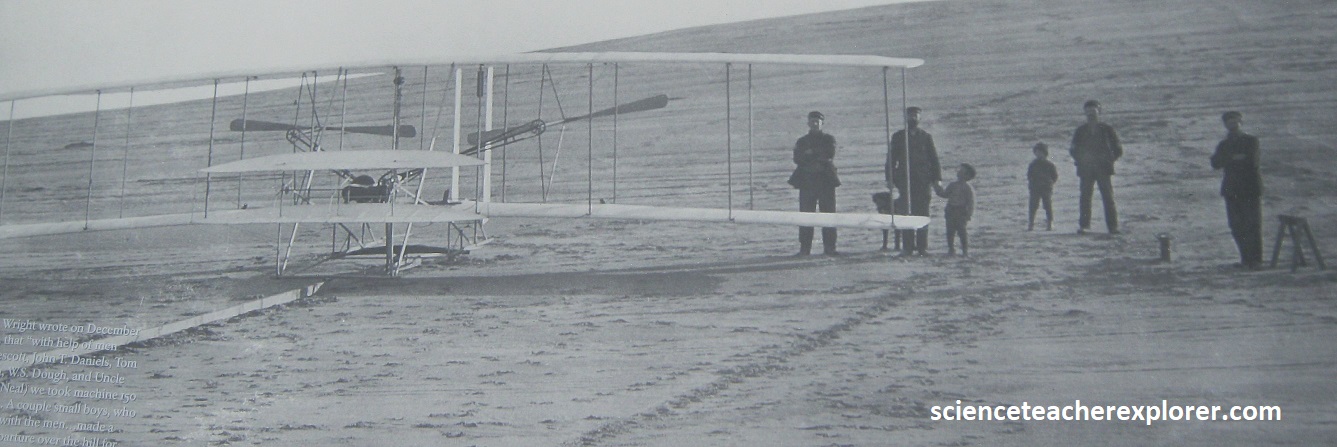
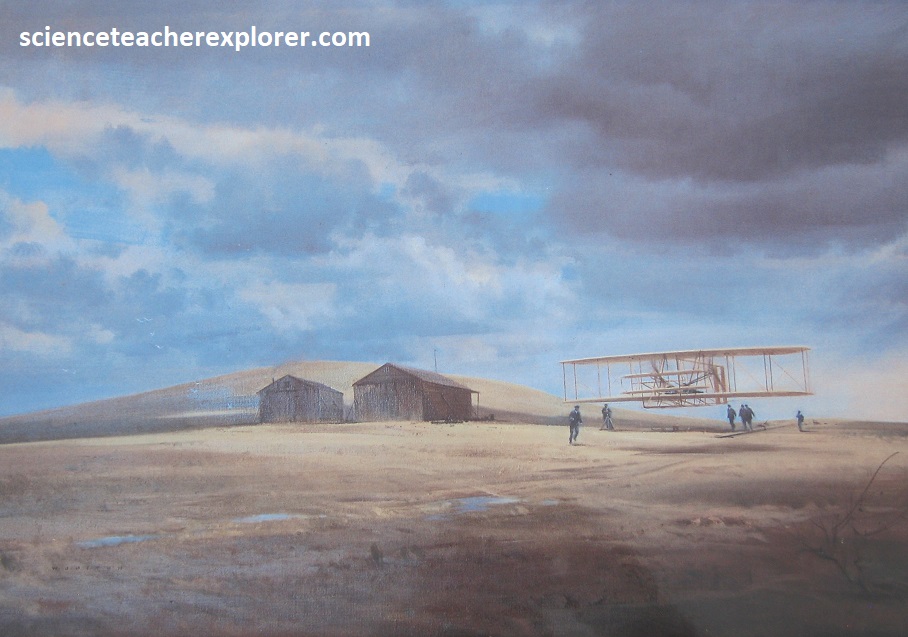
{The images above were taken from a public interpretive-sign on-site; the painting was done by Frank Wootton}.
On the morning of December 17, 1903, the Wrights signaled for help and “John T. Daniels, W.S. Dough, A.D. Etheridge, W.C. Brinkley of Manteo, and Johnny Moore of nearby Nags Head arrived. With their help the Flyer was moved to the launch rail. The men then cheered as the Flyer lifted off the ground.

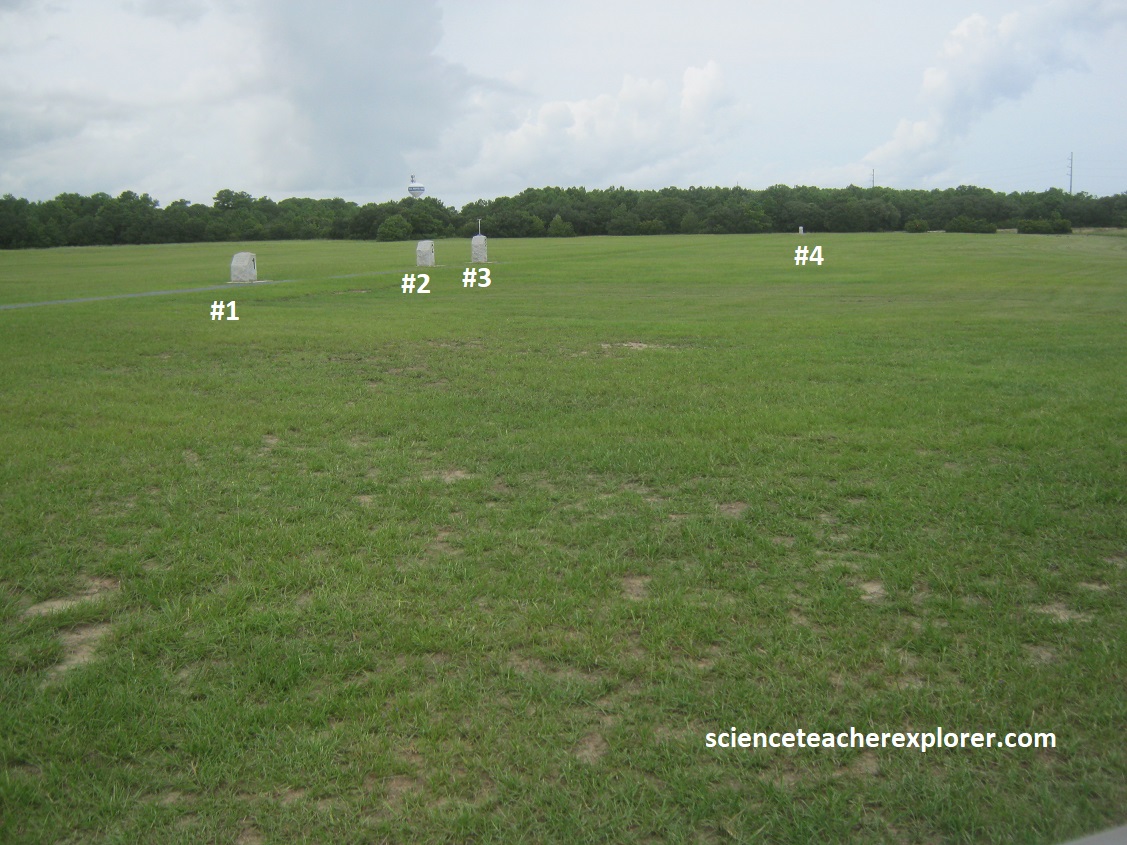
The Wright brothers made four successful sustained powered flights on the morning of December 17th, 1903. {The historical images below were taken from a public interpretive-sign on-site}. [Note: I couldn’t find a historical photo of the 2nd Flight. It probably doesn’t exist].
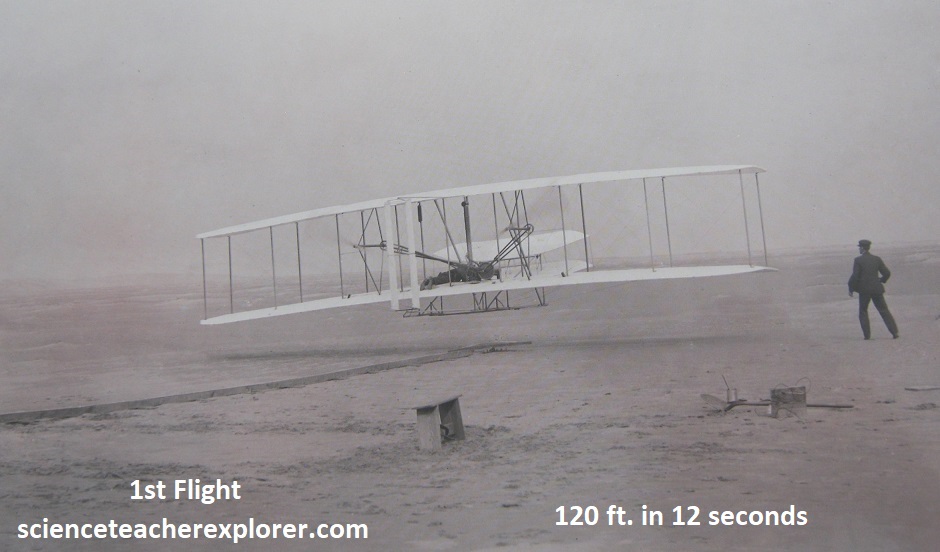
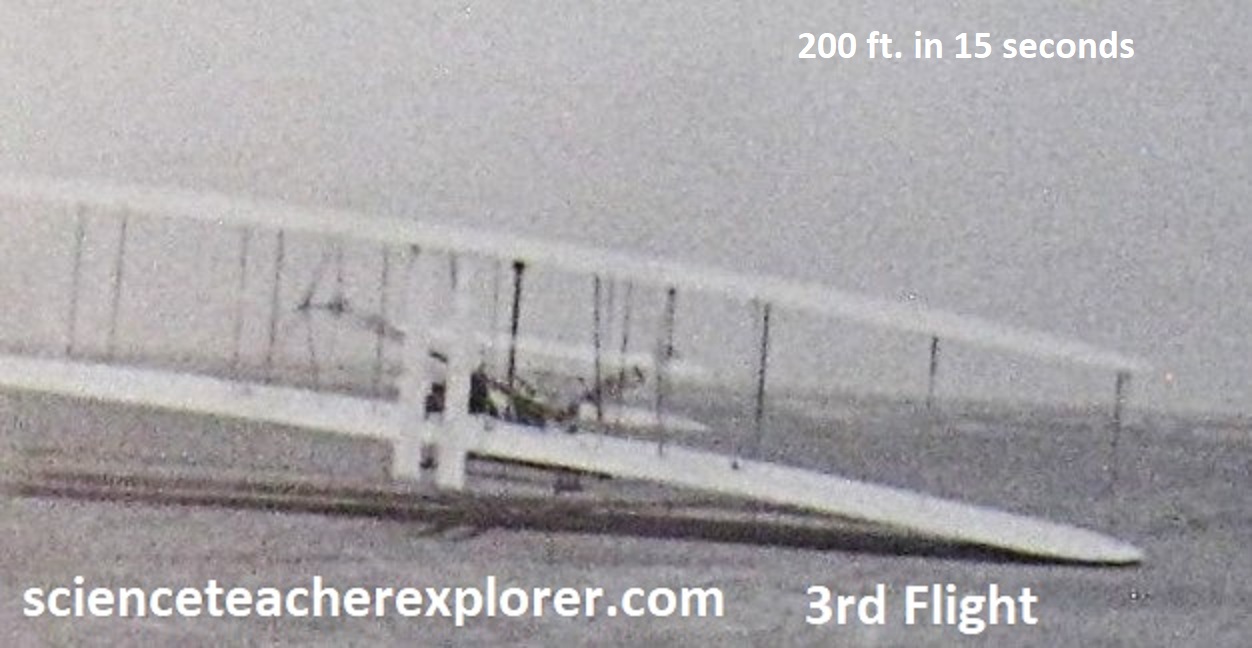
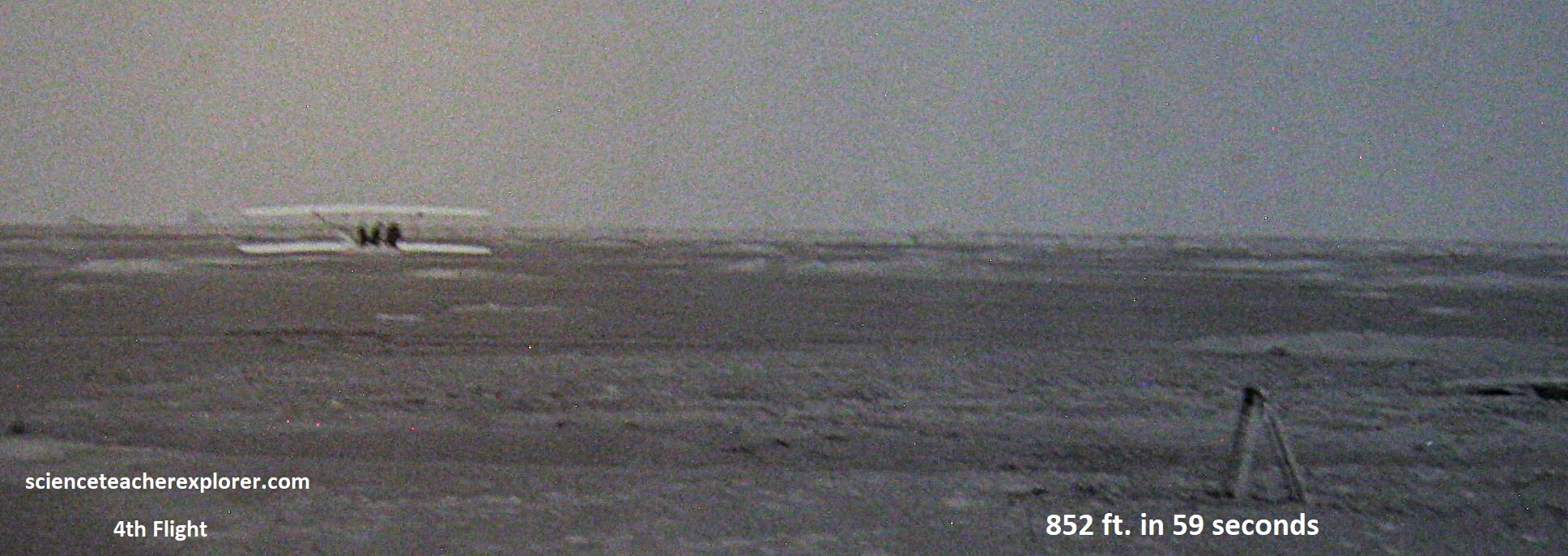
The above photographs that documented the Wrights’ success was taken by John T. Daniels, a Kill Devil hills Life Saving Station surfman, who had never used a camera before. It was not until the Wright brothers returned to Dayton, Ohio, that they developed the photographs and saw their first captured on film. {The images below were taken from a public interpretive-sign on-site}.
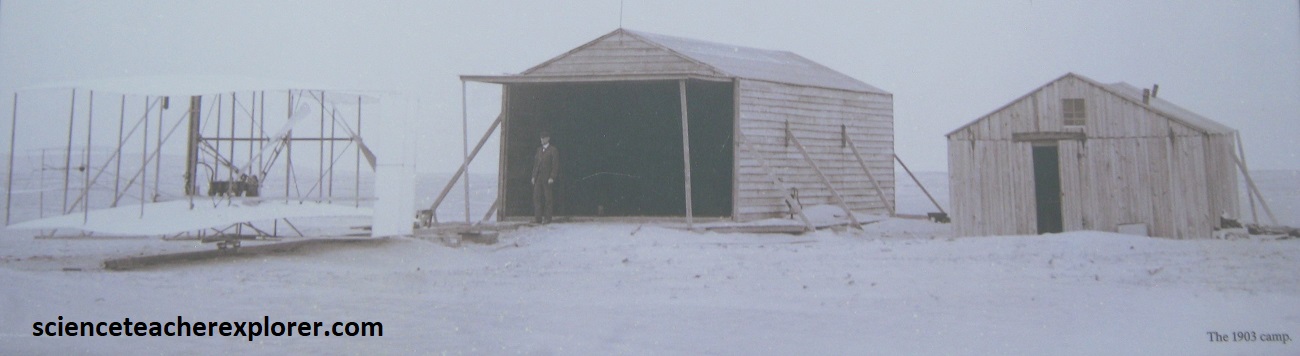
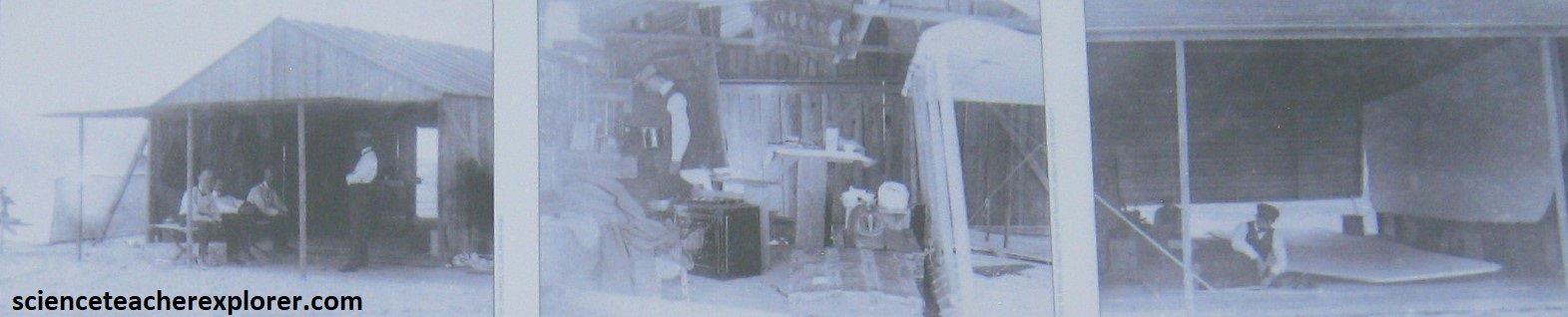
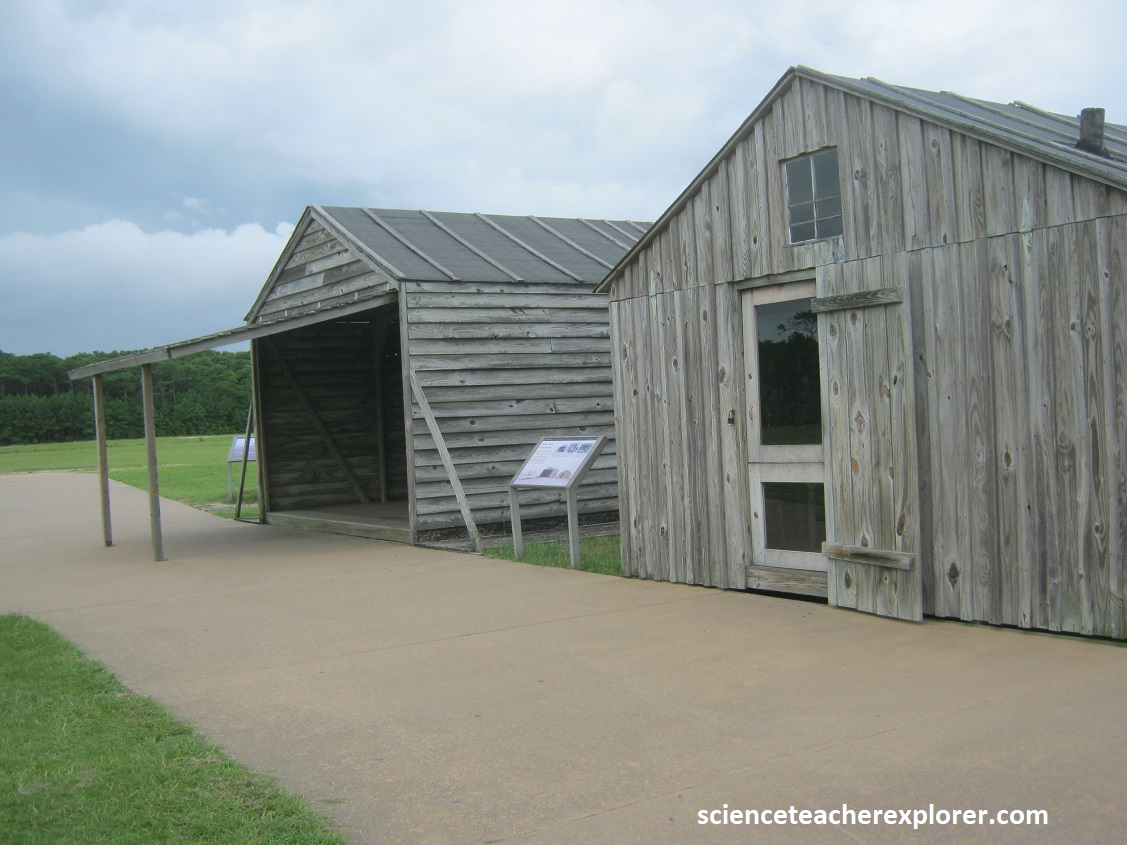
Wilbur and Orville Wright lived and worked in the area that was north of Kill Devil Hill (near the constructed rail) during their 1901, 1902 and 1903 testing seasons, late summer through autumn. Pictured above are the reconstructed buildings that depict the Wright brothers’ 1903 camp. Each year, the brothers refined their camp. In 1901, they built a wooden hanger/workshop (right building) for their glider and lived in a tent. They eventually moved their living quarters into the hangar/workshop building in 1902. In 1903, needing more space for their flyer, the brothers built a large hangar, (left building).
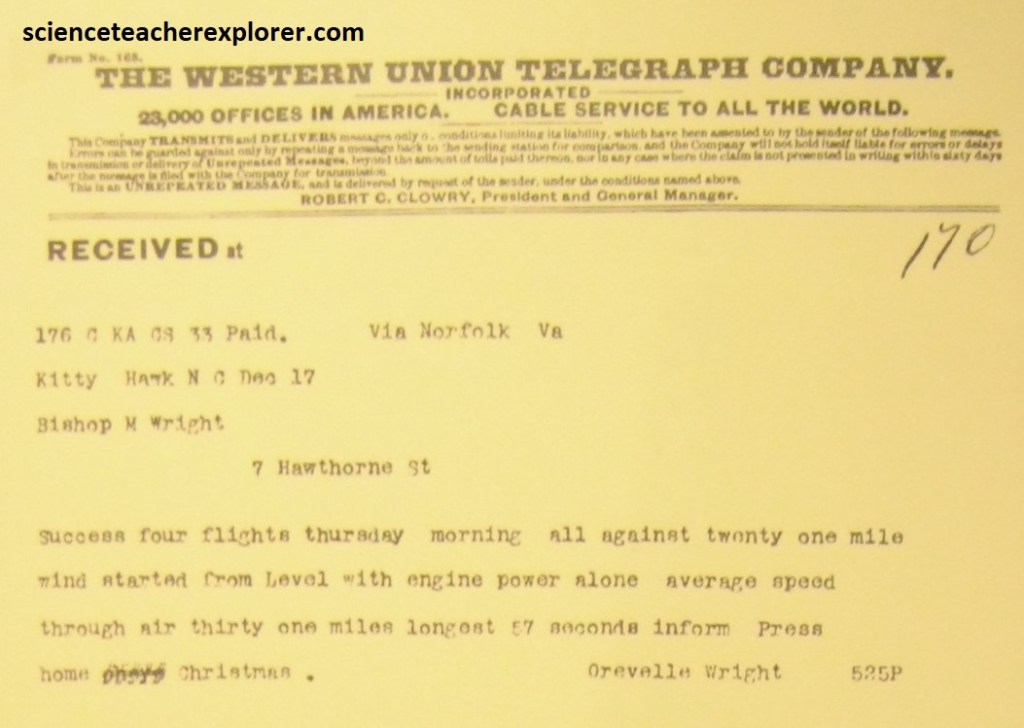
As mentioned, Wilbur and Orville make a total of four flights on December 17th, 1903. They carry the flyer back to camp. In a sudden gust of wind the flyer flips and is damaged beyond repair. Later Wilbur and Orville walk 4 miles (6.44km) to the Kitty Hawk Weather Station and send the above telegram home to their sister about their success. The temperature that day was dry, cold with a wind-chill of less than zero. The wind was a 27 mile-per-hour headwind (43.5km/hr).
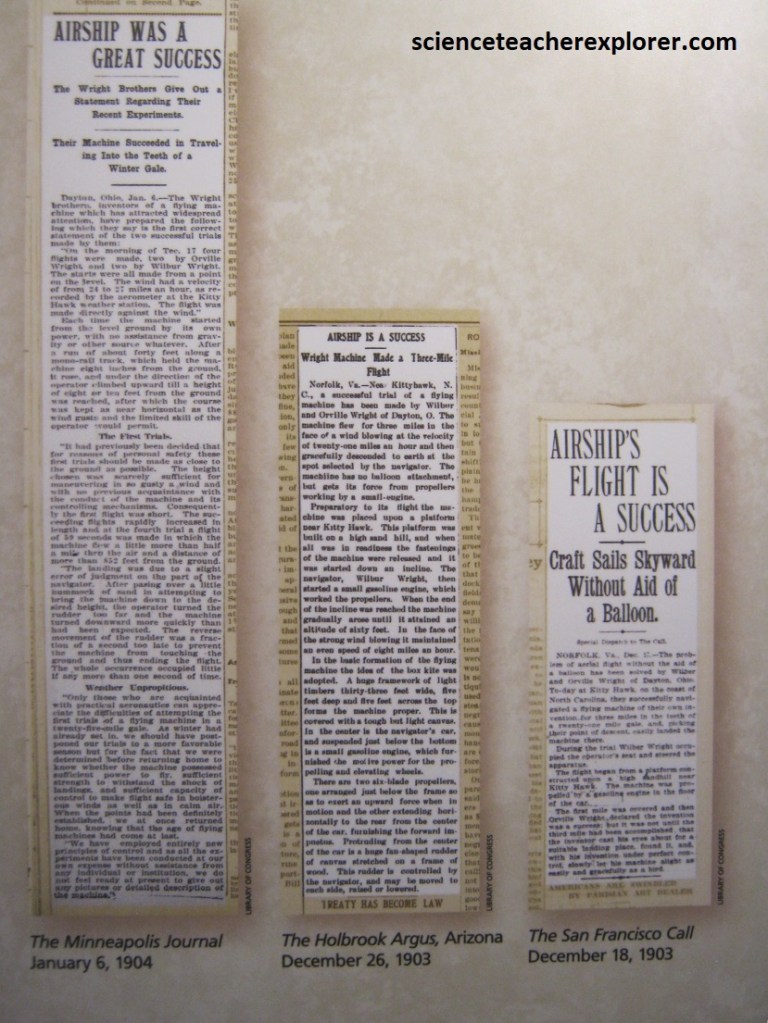
Word about the brothers’ feat quickly reaches the public. But in a world weary of news about flying machines that turn out to be failures, there’s little acclaim. Early newspaper accounts, which exaggerate what happened, don’t help. The “facts” sound so preposterous that readers shrug them off. However the historical summary of the event includes: 1) unrestrained, not tethered to the ground like a kite flight, 2) has the mechanisms to fully determine direction flight, 3) stays in the air for an extended time flight, 4) has a mechanical or electric power source, unlike a glider flight, 5) not buoyant like a balloon flight. [The event made the impossible become possible].
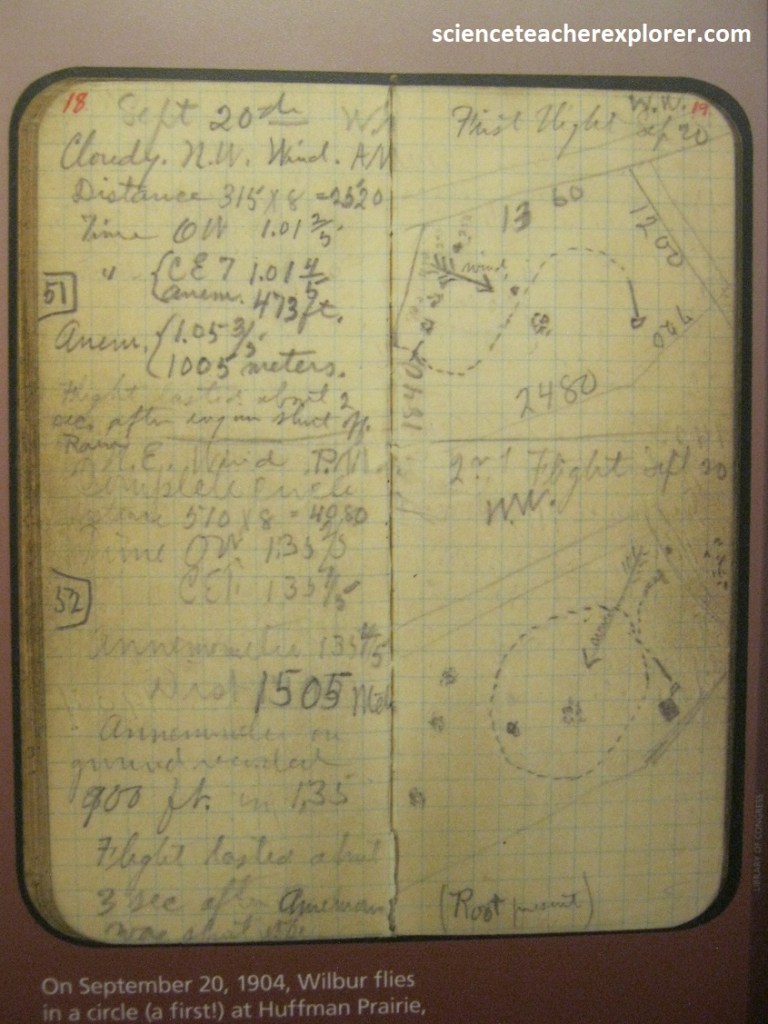
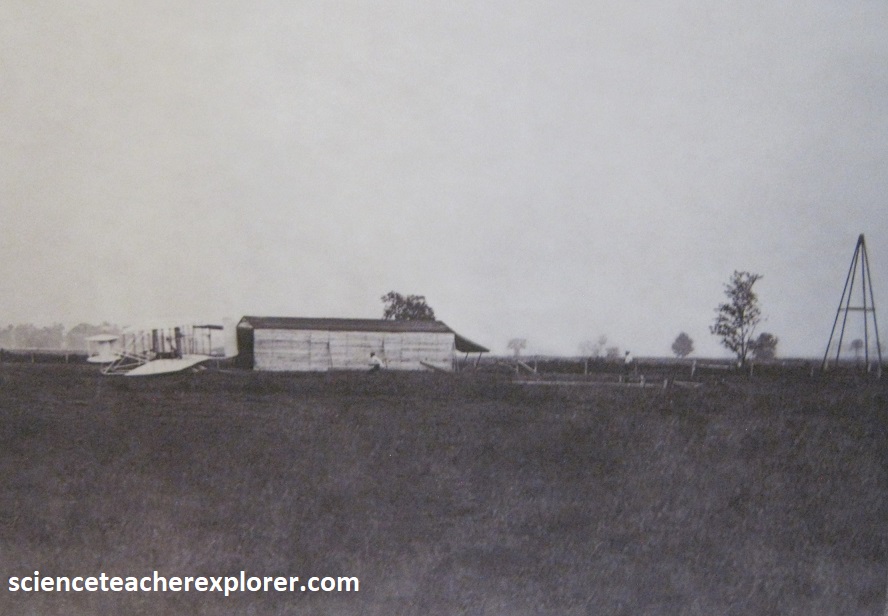
Wilbur and Orville was determined to transform their experimental 1903 aircraft into a practical flying machine. Their goal: fly for extended periods under pilot control. The brothers built new airplanes in 1904 and 1905. They tested them at Huffman Prairie, (a cow pasture that was a short trolley ride from their Dayton, Ohio home). For instance, on October 5th, 1905, Wilbur flew for 39 minutes and over 24 miles.
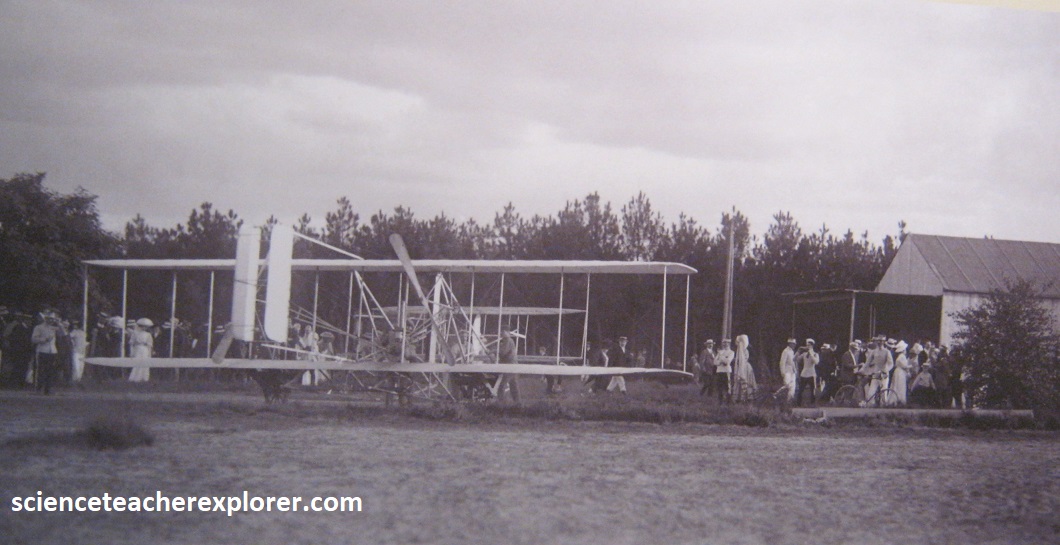
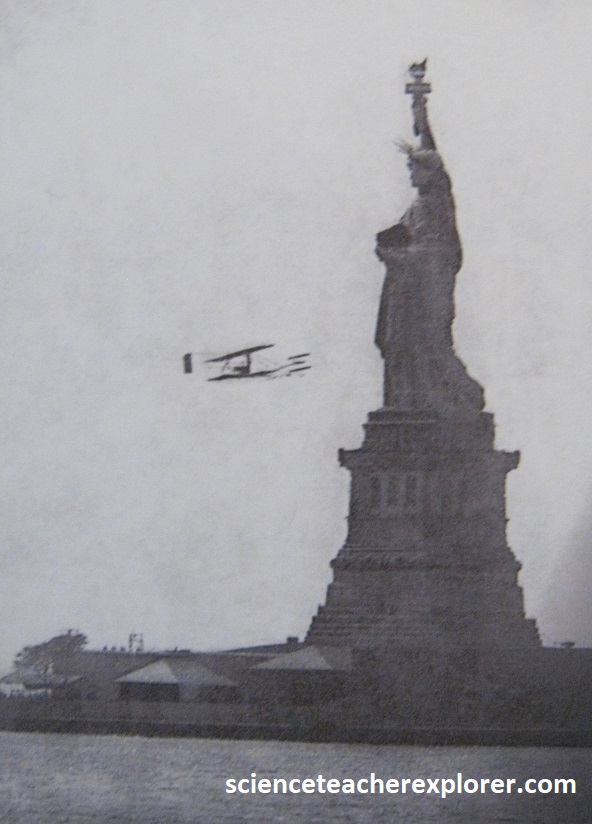
In August 1908, (with the flyer perfected), Wilbur demonstrates it before a huge crowd in Le Mans, France. Overnight, the brothers become global celebrities. In September Orville flies at Fort Myer, Virginia. There, Wilbur circles the Statue of Liberty on September 29th, 1909. He’s strapped a canoe under the plane; if his engine fails, he hopes it will keep him afloat in the water below. Spectators and the press watch and go wild. {The images below were taken from a public interpretive-sign on-site}.
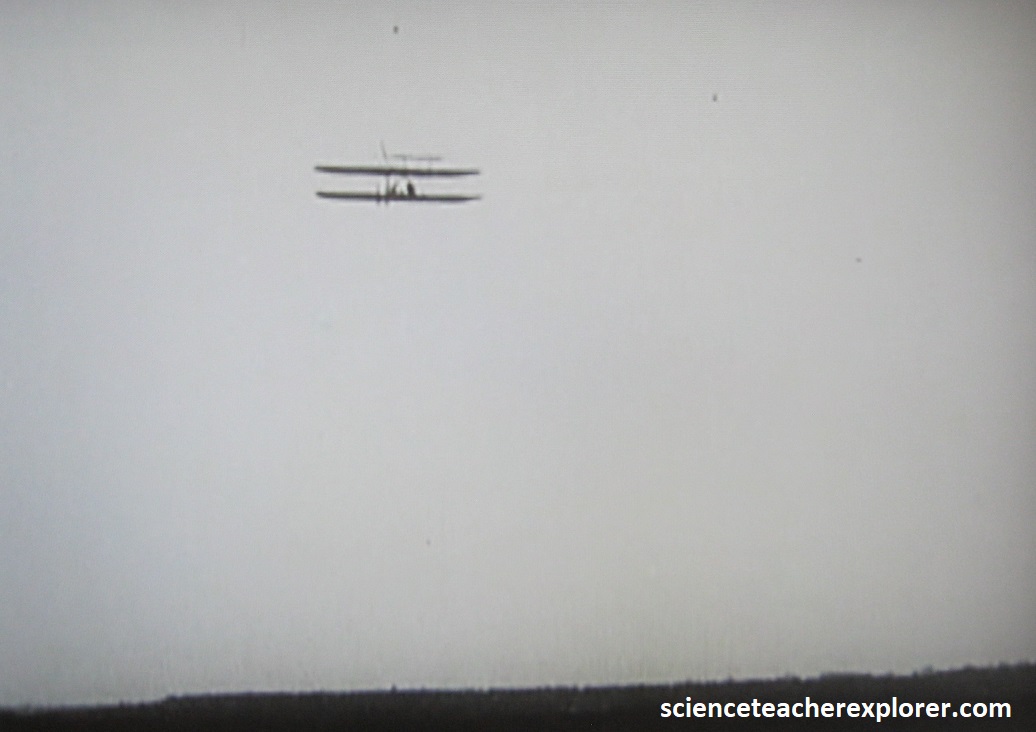
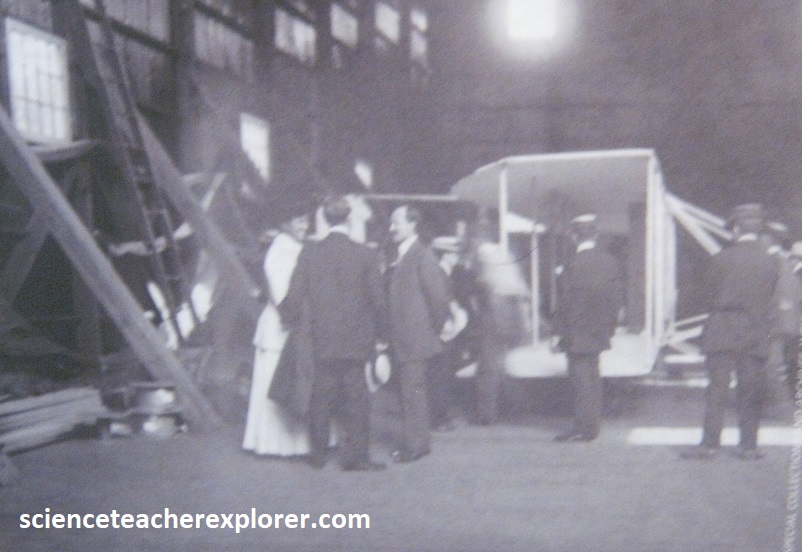
Pictured below, in 1908 the brothers return to Kitty hawk for the last time together to conduct more flight experiments. Wilbur completes the world’s first passenger flight with their mechanic Charles Furnas. Orville returns in 1911 for soaring experiments. As their newfound fame attracts reporters, the isolation they once treasured in Kitty Hawk vanishes. {The image below was taken from a public interpretive-sign on-site}.
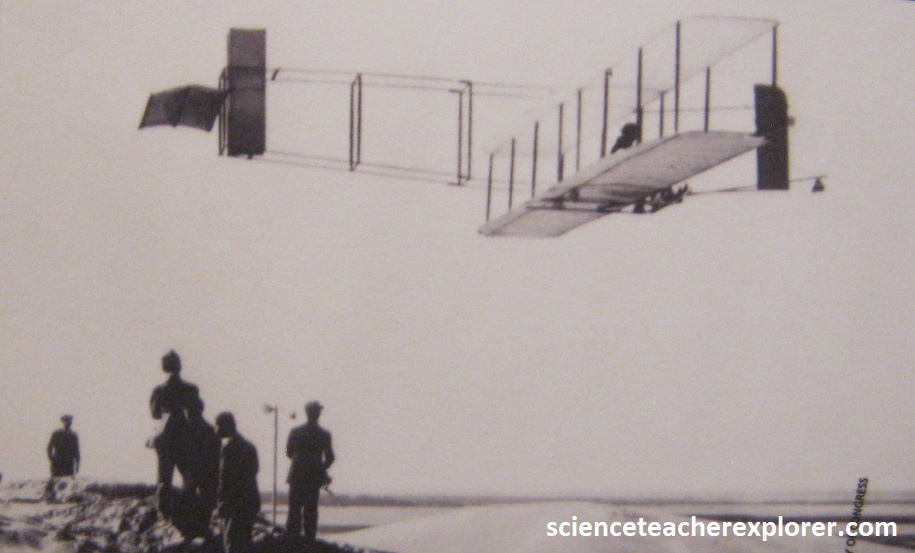
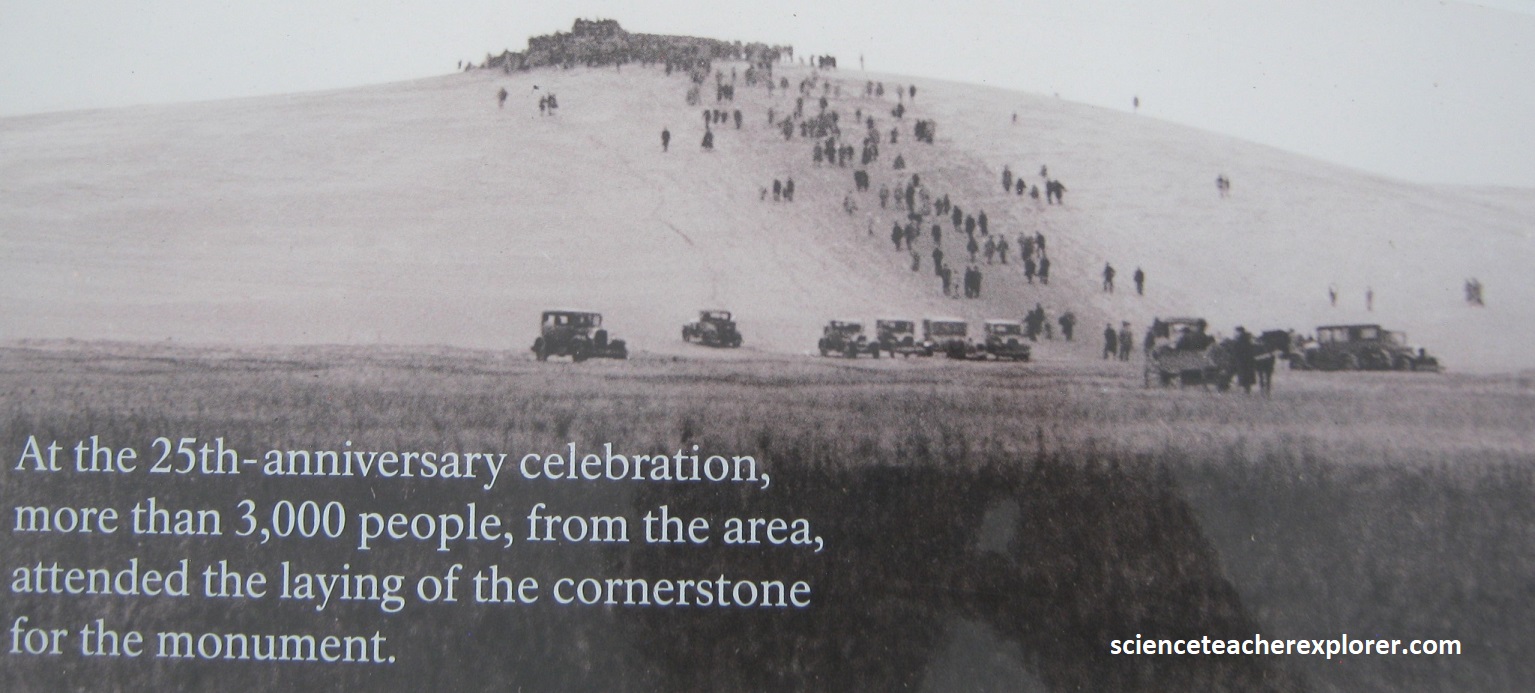
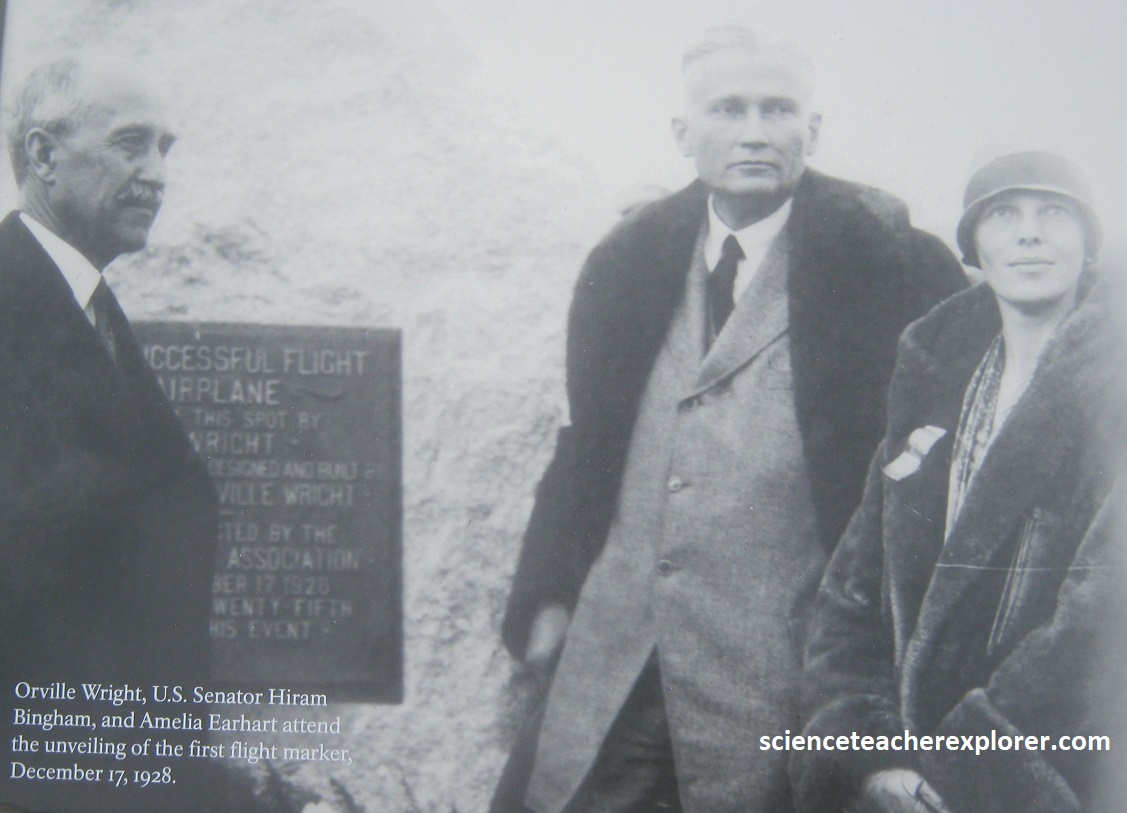
The Kill Devil Hills Memorial Association, later to become the First Flight Society, too the lead in organizing 25th-anniversary celebration held in 1928. The event featured the unveiling of the first flight marker and the laying of the cornerstone for the monument. Orville Wright, Amelia Earhart, and more than 3,000 people from the area participated in the event. {The images below were taken from a public interpretive-sign on-site}.
Curiosity, Discipline, Ingenuity, Imagination, Self-determination, Teamwork, Drive. These strengths had guided Wilbur and Orville to greatness as they designed the first successful airplane. These brothers, who were bicycle mechanics, engineers, inventors, and visionaries had shown beyond doubt, that the impossible is possible. Their story would grip the world’s imagination and inspire others to dream.
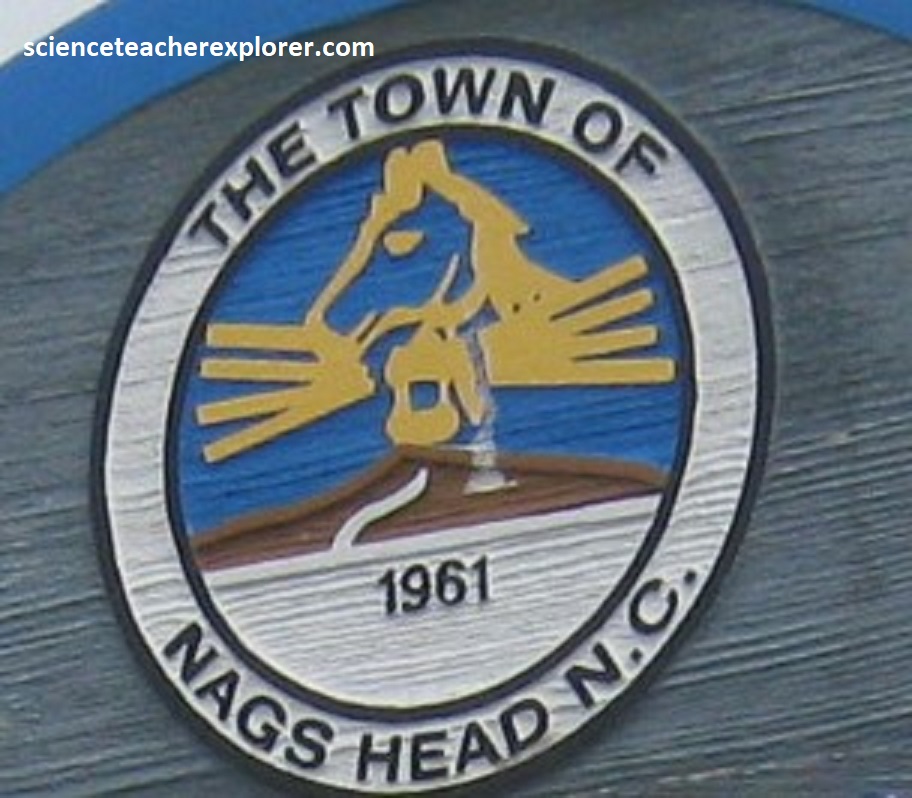
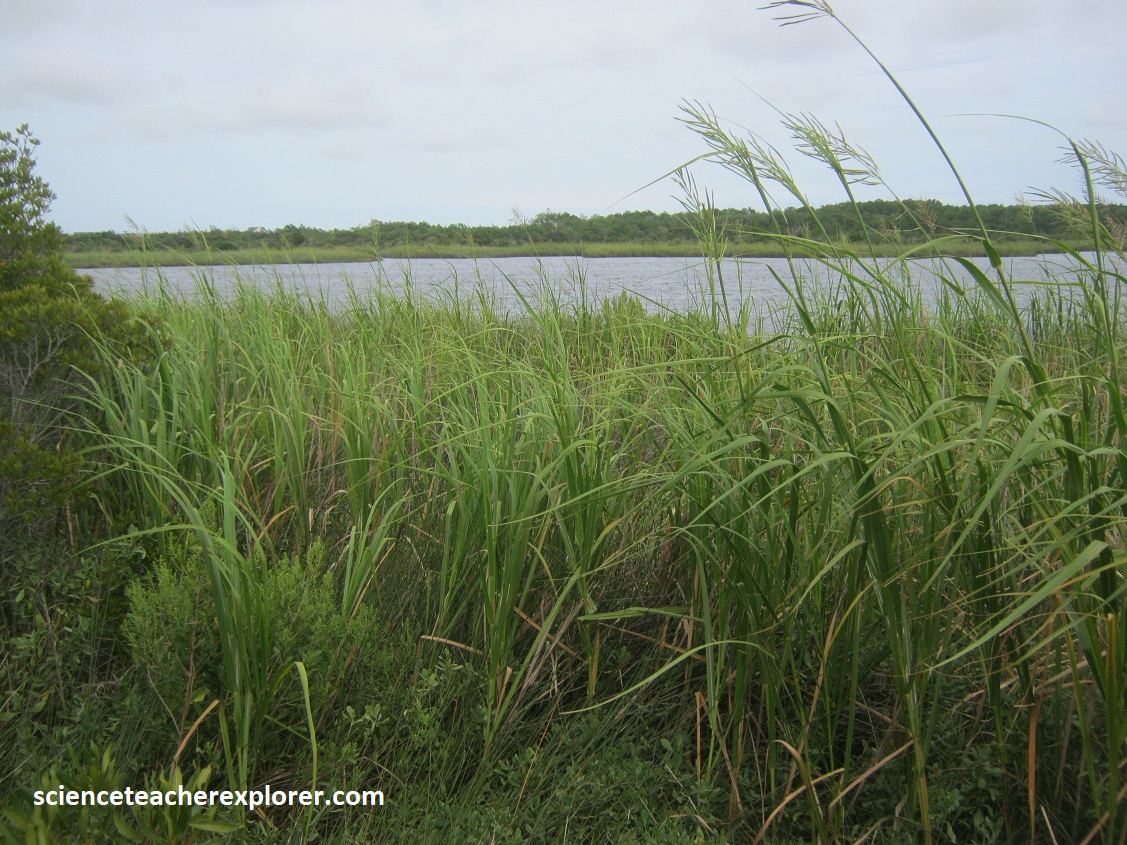
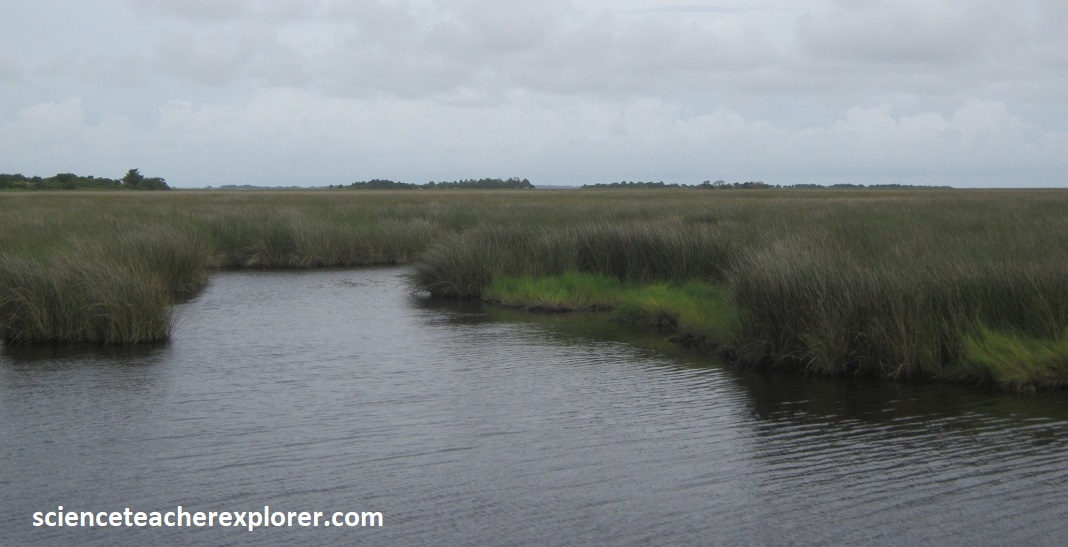
Becky and I left Kitty Hawk and the Wright Brothers National Memorial Park and drove 8km south on NC12 to Nags Head. Nags Head is a beach town on North Carolina’s Outer Banks. It’s known for the towering sand dunes in Jockey’s Ridge State Park. Paths through the Nags Head Woods Preserve, led through a salt marsh and forest to a quiet beach beyond, pictured above.
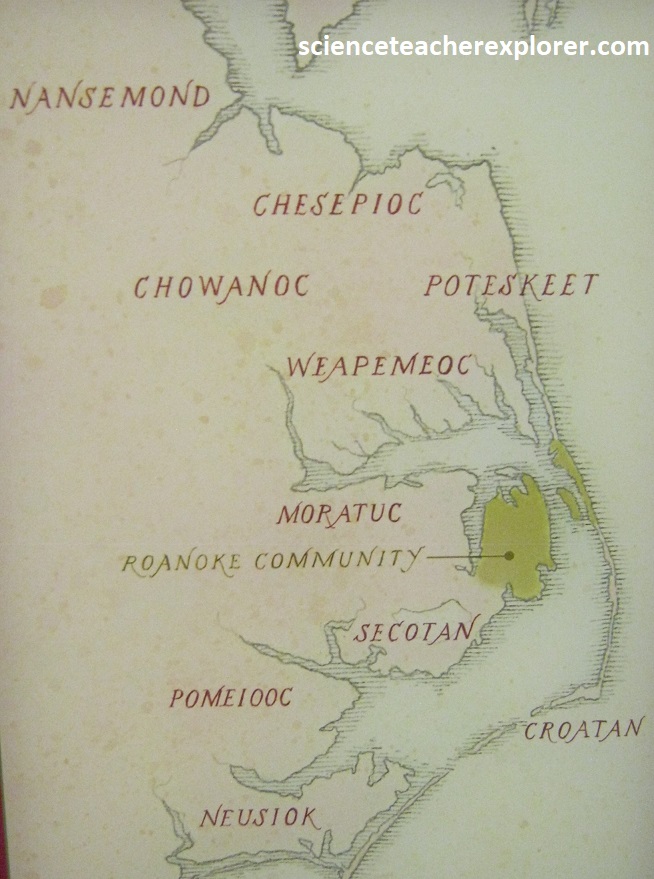
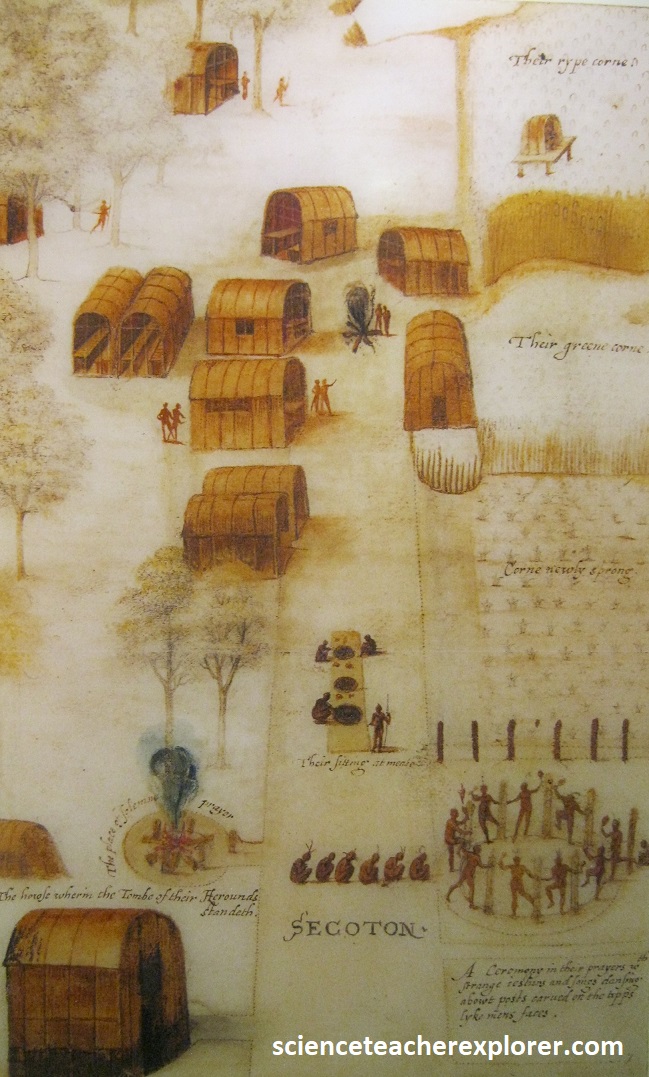
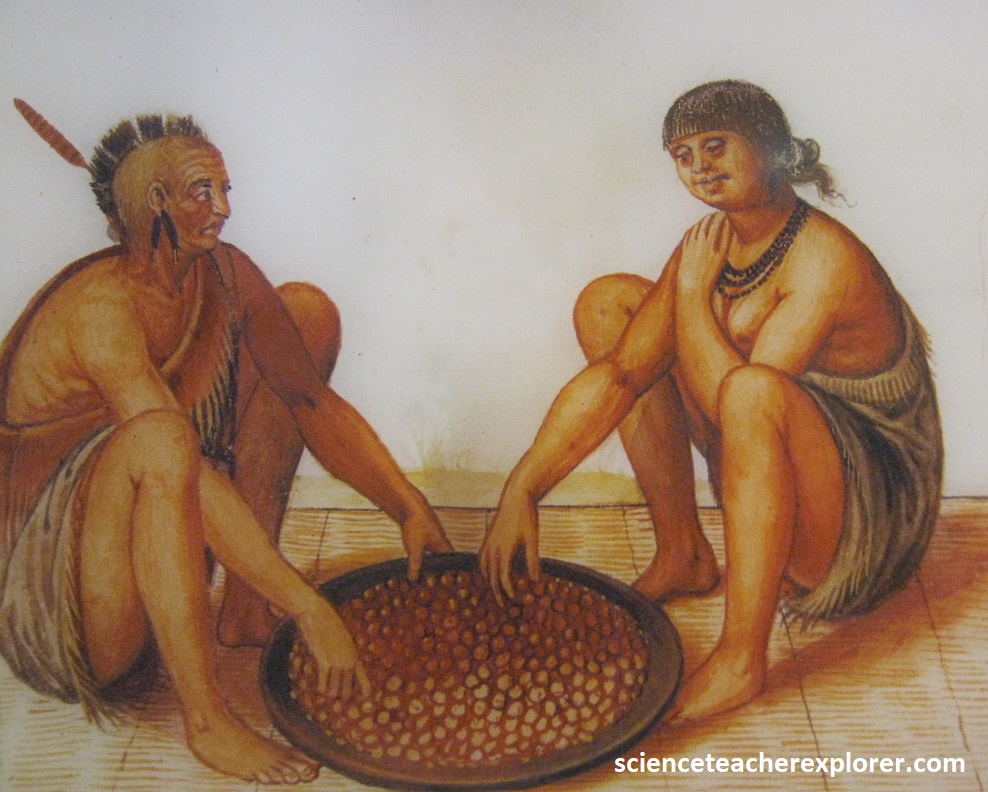
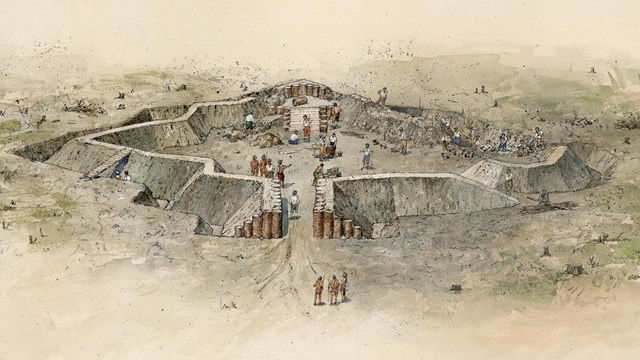
In another 8km, we turned right (west) onto US64 to visit the Fort Raleigh National Historic Site at closing time. The Algonquian-speaking people of North Carolina were the people who inhabited this area of the Outer Banks of North Carolina before European colonization. They lived on Roanoke Island, the barrier islands, and the mainland. They were the first people met by the English during the first colonization attempts at Roanoke Island. Some became important friends to the English while others became foes, pushing back against the colonization of their homeland. In 1587 English settlers attempted to colonize Roanoke Island. But by 1590 the community had inexplicably vanished. All that remained was the word CROATOAN, carved into a tree for subsequent voyagers to discover and for theorists to ponder for centuries to come. At Fort Raleigh National Historic Site, we saw the community’s reconstructed fort, which gave us a poignant resonance to the mystery of the Lost Colony. Theories about their disappearance include: relocation to other areas, assimilation into Native American tribes, death by natural causes (i.e. disease & hurricane) or violence from an outside group.
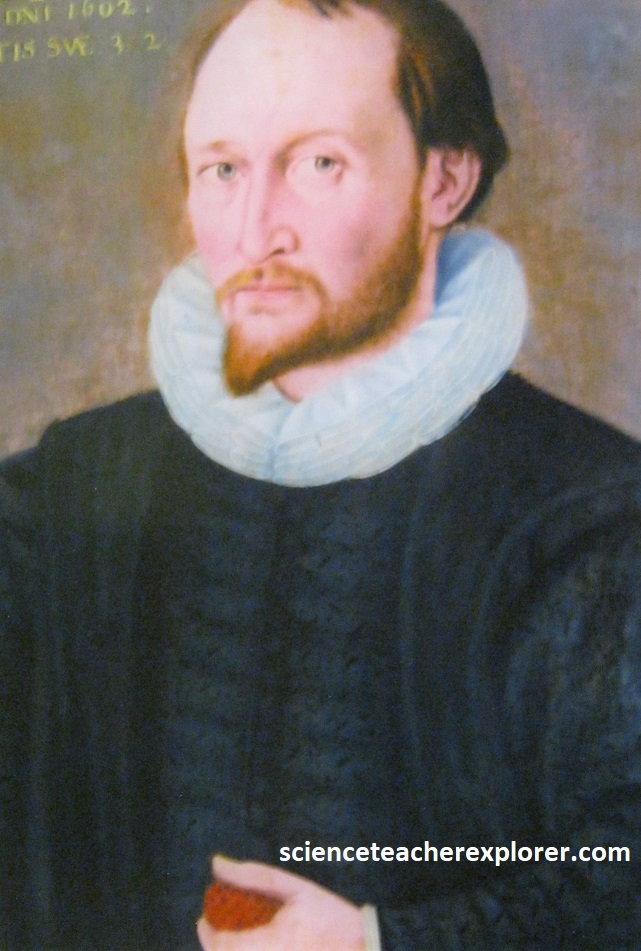
Pictured above, is of Thomas Harriot. He is credited to be the scientist whom first explored the scientific concepts of refractive optics, the structures of the Moon, binary mathematics and the navigational techniques to cross the Atlantic to the New World. He made several exploratory trips to the New World. However, his importance to the Roanoke colony and the broader English colonization effort stemmed from his detailed documentation and promotion of this region. His work, particularly of his publication called “A Briefe and True Report of the New Found Land of Virginia,” provided valuable information about the land’s resources and the local Native Americans, encouraging both investment and settlement back in England. Harriot learned some of the local Algonquian language and served as a translator and liaison with the indigenous people, building trust and gathering valuable knowledge of the area. I found this guy as a fascinating historical character in the Roanoke Island story.
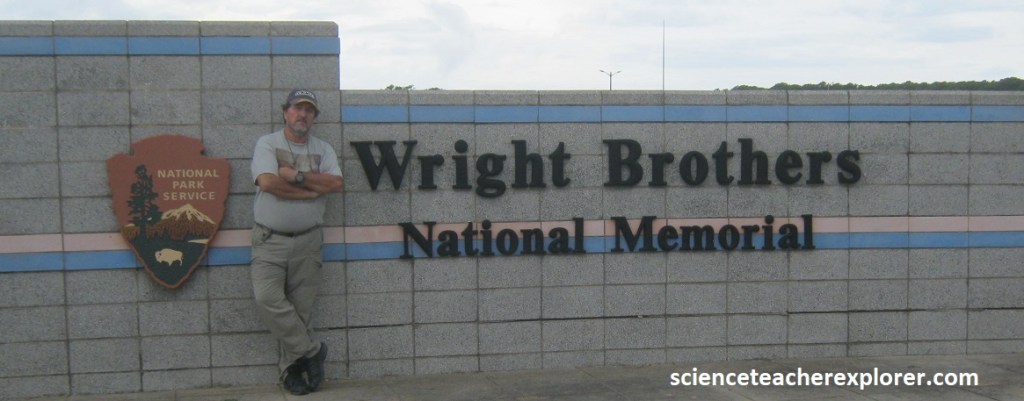
The Wright Brothers’ first flight in history was the start of a revolution in the way we travel, communicate and live. Thanks to their perseverance and genius, today we can traverse the world in a matter of hours, make global connections and explore the unknown.
 Explorer/Trekker